


Summary
Successful real estate marketing is no longer just about listing a property online. Today’s buyers search across multiple platforms, compare neighborhoods digitally, and expect transparent information before contacting an agent. Effective marketing strategies combine professional visuals, targeted online exposure, data-driven pricing, and local insights to ensure listings reach the most qualified buyers and generate meaningful interest.
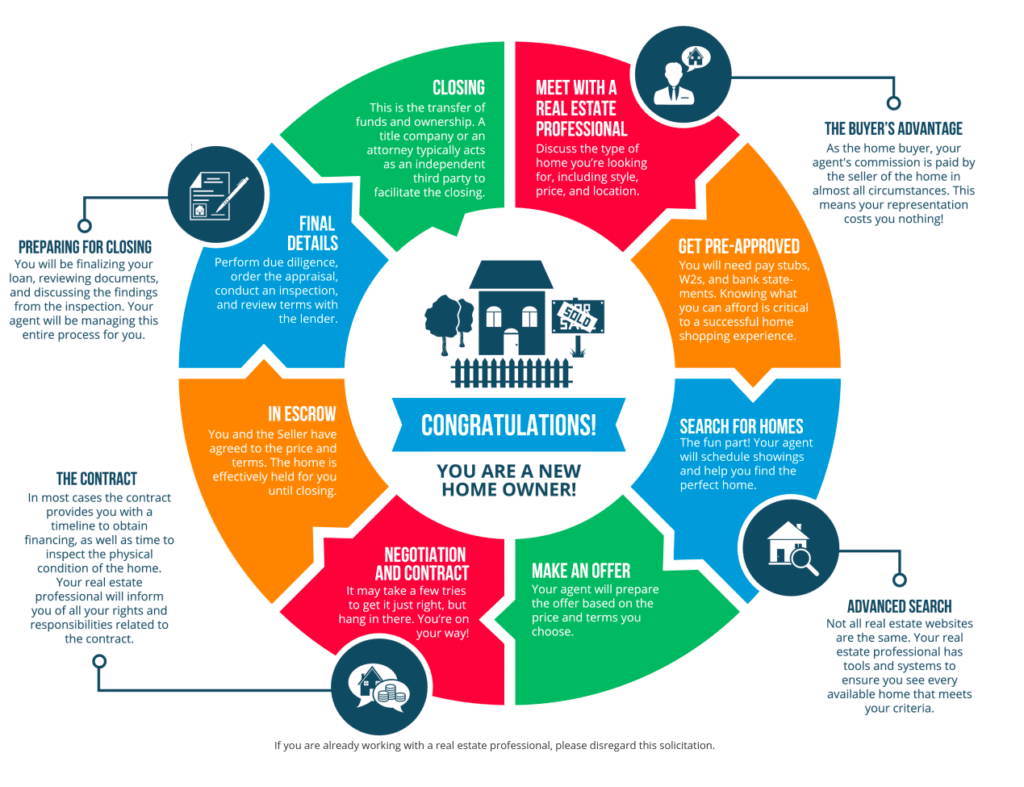
Understanding Today’s Real Estate Buyer Journey
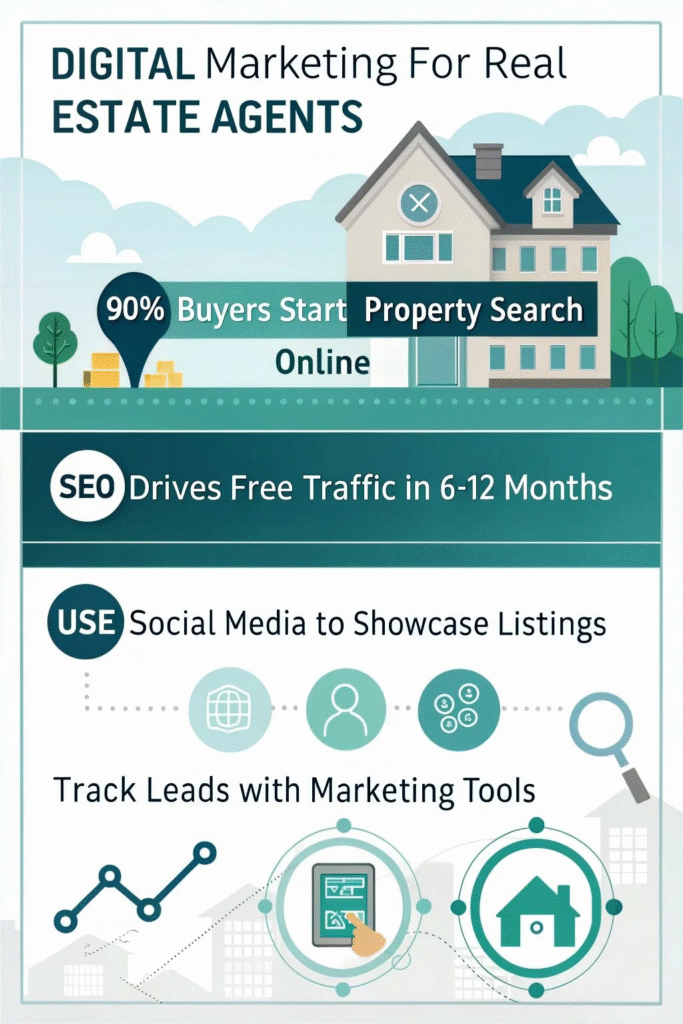
Real estate marketing has evolved dramatically over the past decade. According to the National Association of Realtors (NAR), over 97% of homebuyers begin their search online, often browsing listings weeks or months before contacting a real estate professional.
This shift means the first impression of a property usually happens digitally rather than during a showing. Buyers are comparing homes, evaluating neighborhoods, and analyzing price trends long before scheduling visits.
For sellers and agents, effective marketing means answering the questions buyers are already asking:
- Is the property priced appropriately?
- What makes this home different from similar listings?
- What does the neighborhood offer?
- Does the property fit my lifestyle and long-term needs?
Listings that clearly address these questions tend to attract more qualified buyers and reduce time on market.
Start With Accurate Pricing and Market Positioning
Before any marketing campaign begins, pricing strategy plays a crucial role in attracting the right audience.
An overpriced listing often discourages early interest, while a well-priced property generates stronger engagement and more showings.
Experienced agents typically analyze several factors when determining pricing:
- Comparable sales in the neighborhood
- Current inventory levels
- Local demand trends
- Property upgrades or unique features
For example, in competitive markets such as Austin or Denver, pricing slightly below comparable listings can create early momentum. In slower markets, realistic pricing helps avoid extended listing periods that may cause buyers to question the property’s value.
Accurate pricing ensures marketing efforts reach buyers who are actively searching within the property’s price range.
Invest in Professional Listing Visuals
High-quality visuals are one of the most influential factors in real estate marketing. According to NAR research, listings with professional photography receive significantly more online views compared to those with standard images.
Professional visuals typically include:
- High-resolution photography
- Wide-angle interior shots
- Twilight exterior images
- Aerial drone photography for larger properties
- Floor plan graphics
These elements allow buyers to understand the property layout before visiting.
For instance, a suburban home with a large backyard or nearby park benefits from drone photography that highlights outdoor space—something standard photos often fail to capture.
Good visuals help buyers imagine themselves living in the property, which is essential for generating inquiries.
Write Descriptions That Answer Buyer Questions
Many listings rely on short, generic descriptions that fail to communicate meaningful details.
Effective property descriptions focus on how the home functions in everyday life rather than simply listing features.
Instead of writing:
“Beautiful three-bedroom home with updated kitchen.”
A more useful description might say:
“This three-bedroom home features an open kitchen and dining layout that connects directly to a backyard patio—an ideal setup for weekend gatherings or family meals.”
Effective listing descriptions should explain:
- How the space is used
- What lifestyle benefits the home offers
- Unique neighborhood advantages
- Recent upgrades or improvements
When buyers can easily visualize living in the property, they are more likely to schedule a showing.

Optimize Listings for Real Estate Search Platforms
Most buyers search for homes on platforms like Zillow, Realtor.com, and Redfin before contacting agents.
Listings should be optimized to perform well on these platforms.
Key optimization factors include:
- Complete property details
- Accurate square footage and room counts
- Clear property features (garage, yard, HOA, etc.)
- High-quality images in the first positions
- Correct map location
Search filters are widely used by buyers. If information is missing—such as whether a home has a garage or finished basement—the listing may not appear in relevant search results.
Agents who ensure listings are fully completed often reach a broader audience without additional advertising costs.
Use Targeted Digital Advertising
While listing platforms generate organic traffic, targeted digital advertising can help listings reach specific buyers.
Modern real estate campaigns frequently use:
- Facebook and Instagram property ads
- Google search ads for local home searches
- Retargeting ads for people who viewed the listing
- YouTube neighborhood highlight videos
These ads allow agents to target users based on location, income range, or home-buying behavior.
For example, a family-oriented home near a highly rated school district might be promoted to users searching for family housing in that specific region.
Digital advertising works best when it focuses on likely buyers rather than broad audiences.
Highlight the Neighborhood, Not Just the Property
Buyers are not just purchasing a home—they are choosing a community.
Effective marketing includes information about the surrounding area.
Important neighborhood highlights may include:
- Local schools
- Parks and recreation areas
- Public transportation access
- Walkability and nearby businesses
- Community amenities
For example, a downtown condo listing becomes more appealing when buyers learn it’s a short walk from restaurants, transit stations, or cultural venues.
Neighborhood content helps buyers understand how the property fits into their daily lives.
Host Strategic Open Houses and Virtual Tours
Open houses remain a valuable marketing tool when used strategically.
Rather than hosting generic open houses every weekend, successful agents focus on well-promoted events.
Effective open house strategies include:
- Announcing the event across multiple listing platforms
- Promoting through neighborhood social groups
- Offering virtual tours for remote buyers
- Scheduling during peak local traffic times
Virtual tours have become increasingly important, especially for out-of-state buyers relocating for work.
Interactive tours allow buyers to explore rooms and layouts before scheduling in-person visits.
Build Credibility Through Transparent Information
Buyers today expect transparency when researching properties.
Listings that provide clear, detailed information build trust and reduce uncertainty.
Helpful details include:
- Age of major systems (roof, HVAC, appliances)
- HOA fees and community rules
- Property tax estimates
- Energy efficiency upgrades
- Recent renovations
Providing these details early helps serious buyers make informed decisions and reduces unnecessary showings.
Transparency often leads to more qualified inquiries.
Leverage Email Marketing and Buyer Networks
Real estate professionals often maintain email lists of buyers, investors, and past clients.
When a new listing enters the market, email campaigns can generate immediate interest.
Effective listing emails usually include:
- Key property highlights
- High-quality photos
- Neighborhood information
- A direct link to schedule showings
Agents who maintain strong buyer networks frequently generate early interest before listings reach wider audiences.
In competitive markets, this can lead to quicker offers.
Collaborate With Local Professionals
Marketing success often improves when agents collaborate with other local professionals.
Partnerships may include:
- Mortgage brokers sharing listings with clients
- relocation specialists assisting corporate buyers
- local businesses promoting community listings
For example, a relocation consultant working with a technology company moving employees to Seattle may share new listings directly with incoming buyers.
These partnerships help listings reach buyers who may not yet be actively browsing listing platforms.
Frequently Asked Questions
What is the most effective way to market a real estate listing?
A combination of professional visuals, accurate pricing, strong online exposure, and targeted advertising tends to produce the best results.
Why are professional photos important for property listings?
High-quality images attract more online views and help buyers understand the layout and condition of the property before visiting.
How do real estate agents attract serious buyers?
Agents use pricing strategies, targeted digital ads, buyer networks, and local expertise to reach buyers who are actively searching.
Do open houses still work in modern real estate marketing?
Yes. Well-promoted open houses can generate local interest and allow multiple buyers to view the property efficiently.
How long should a real estate listing description be?
Descriptions should be detailed enough to explain the property’s layout, lifestyle benefits, and upgrades—usually several paragraphs rather than a short sentence.
What role does social media play in real estate marketing?
Social media allows listings to reach broader audiences and enables targeted advertising to potential buyers based on location and interests.
Are virtual tours necessary for real estate listings?
They are increasingly important, particularly for buyers relocating from other cities or states.
How does neighborhood information help sell a home?
Buyers want to understand the community, schools, commute options, and amenities before making a decision.
Should sellers invest in staging before marketing a property?
In many cases, staging helps buyers visualize the space and can make listing photos more appealing.
What platforms generate the most real estate traffic?
Major listing platforms such as Zillow, Realtor.com, and Redfin typically receive the highest search volume from buyers.
Aligning Marketing Efforts With Buyer Intent
The most successful real estate marketing strategies are those that focus on buyer needs rather than promotional messaging.
When listings combine accurate pricing, high-quality visuals, transparent information, and targeted exposure, they naturally attract the right audience.
Instead of trying to reach everyone, effective marketing connects properties with buyers who are already searching for homes that match their priorities.
This approach not only increases inquiries but also leads to smoother transactions and more confident buyers.
Key Marketing Insights at a Glance
- Most homebuyers begin their search online, making digital presentation critical
- Professional photography significantly increases listing engagement
- Accurate pricing improves visibility in buyer search filters
- Neighborhood information strengthens buyer confidence
- Targeted advertising helps listings reach likely buyers
- Virtual tours expand access for remote buyers
- Transparency builds trust and reduces uncertainty
- Email marketing and buyer networks can generate early interest
 Robert Weber