

Summary
Commercial developers are reshaping business districts to meet evolving economic, technological, and social demands. Modern projects prioritize mixed-use planning, transit connectivity, sustainability, and flexible work environments. By combining office, retail, residential, and public spaces, developers create districts that attract businesses, support local economies, and remain resilient in changing markets. The next generation of commercial development focuses on long-term adaptability and community integration.
The Changing Role of Commercial Developers
For decades, commercial developers focused largely on constructing office towers, shopping centers, and corporate campuses. Today, the expectations placed on these projects are far more complex. Cities, investors, businesses, and communities increasingly expect commercial districts to function as dynamic ecosystems rather than single-purpose developments.
Several structural shifts are driving this change. Hybrid work has altered office demand. E-commerce has reshaped retail. Cities are prioritizing walkability and transit connectivity. Environmental standards have become stricter, and employees now expect workplaces that support well-being and collaboration.
As a result, commercial developers are no longer simply builders of office space. They are planners of entire urban environments.
Modern business districts often blend:
- Office and coworking space
- Retail and dining corridors
- Residential housing
- Public plazas and parks
- Entertainment venues
- Transit hubs
This integrated approach helps districts remain active throughout the day and evening, supporting both economic vitality and community life.
Why Business Districts Are Being Reimagined
Traditional central business districts in many U.S. cities were designed around commuting patterns that concentrated workers in office towers during weekday hours. These areas often became quiet after business hours.
Today’s development strategies aim to create districts that remain active throughout the week.
Several factors are influencing this shift.
Remote and Hybrid Work
The COVID-19 pandemic accelerated remote work adoption. According to Stanford economist Nicholas Bloom, roughly 25–30% of U.S. workdays remain remote as of 2024. This has changed how companies think about office space.
Instead of maximizing desk capacity, many firms prioritize collaborative spaces, meeting hubs, and shared amenities.
Developers are responding by designing buildings that support flexible layouts, coworking areas, and adaptable floor plans.
Talent Attraction
Companies increasingly choose locations that appeal to employees. Walkable districts with restaurants, parks, and transit access tend to attract a highly skilled workforce.
Cities such as Austin, Nashville, and Denver have seen significant growth partly because new business districts integrate lifestyle amenities with employment centers.
Economic Diversification
Developers now build mixed-use districts that combine multiple revenue streams. Offices alone may struggle during market downturns, but residential, hospitality, and retail components help stabilize long-term value.
What Defines a Modern Business District?
A next-generation business district is designed as a place people want to spend time—not just work.
Several core design principles now shape these developments.
1. Mixed-Use Development
Mixed-use planning has become the cornerstone of modern commercial development. Instead of isolating offices from residential and retail areas, developers combine them within the same district.
Benefits include:
- Continuous activity throughout the day
- Stronger local economies
- Reduced commuting distances
- Higher property values over time
A widely cited example is Hudson Yards in New York City, a $25 billion development that integrates offices, residences, retail space, cultural venues, and public plazas.
2. Walkability and Public Spaces
Public realm design plays a central role in attracting businesses and visitors.
Developers now prioritize:
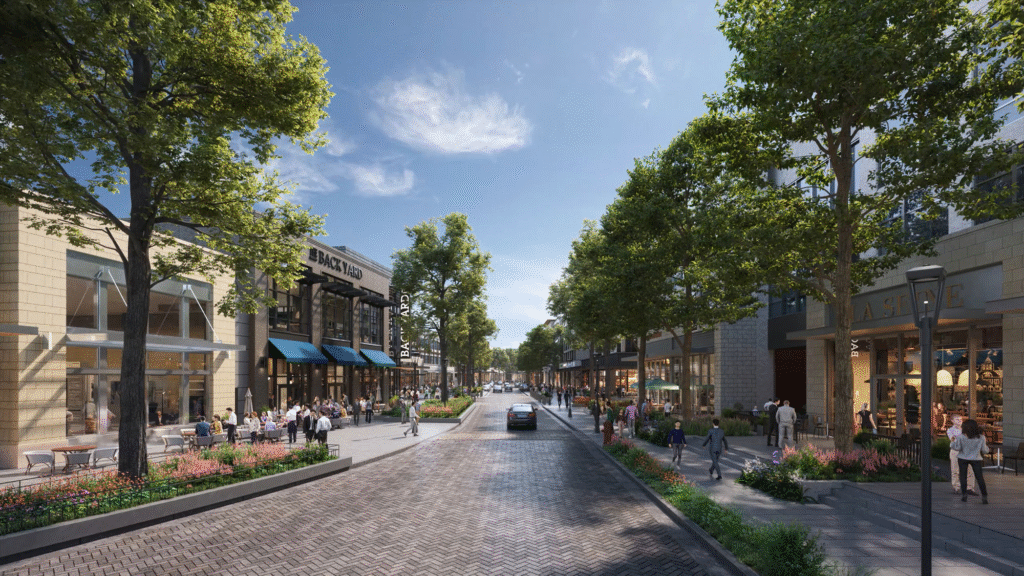
- Wide pedestrian walkways
- Outdoor gathering areas
- Green parks and landscaping
- Public art installations
- Bike-friendly infrastructure
These features help transform commercial districts into destinations rather than purely functional office zones.
3. Transit Connectivity
Access to public transportation is increasingly critical. Many successful business districts are built near:
- Light rail stations
- Subway hubs
- Bus transit corridors
- Intercity rail connections
Transit-oriented development helps reduce traffic congestion and improves accessibility for employees.
4. Flexible Building Design
Modern commercial buildings are designed to adapt to changing tenant needs.
Features often include:
- Modular floor plates
- Convertible office layouts
- Shared conference facilities
- Flexible coworking areas
This adaptability helps buildings remain competitive even as workplace trends evolve.
The Role of Sustainability in Modern Commercial Development
Sustainability is no longer an optional feature. Many cities require environmental certifications, and corporate tenants increasingly seek energy-efficient buildings.
According to the U.S. Green Building Council, buildings account for approximately 40% of global carbon emissions when construction and operations are included. Developers are therefore under growing pressure to reduce environmental impact.
Common sustainability strategies include:
- Energy-efficient HVAC systems
- Smart building technology
- Solar energy integration
- Water recycling systems
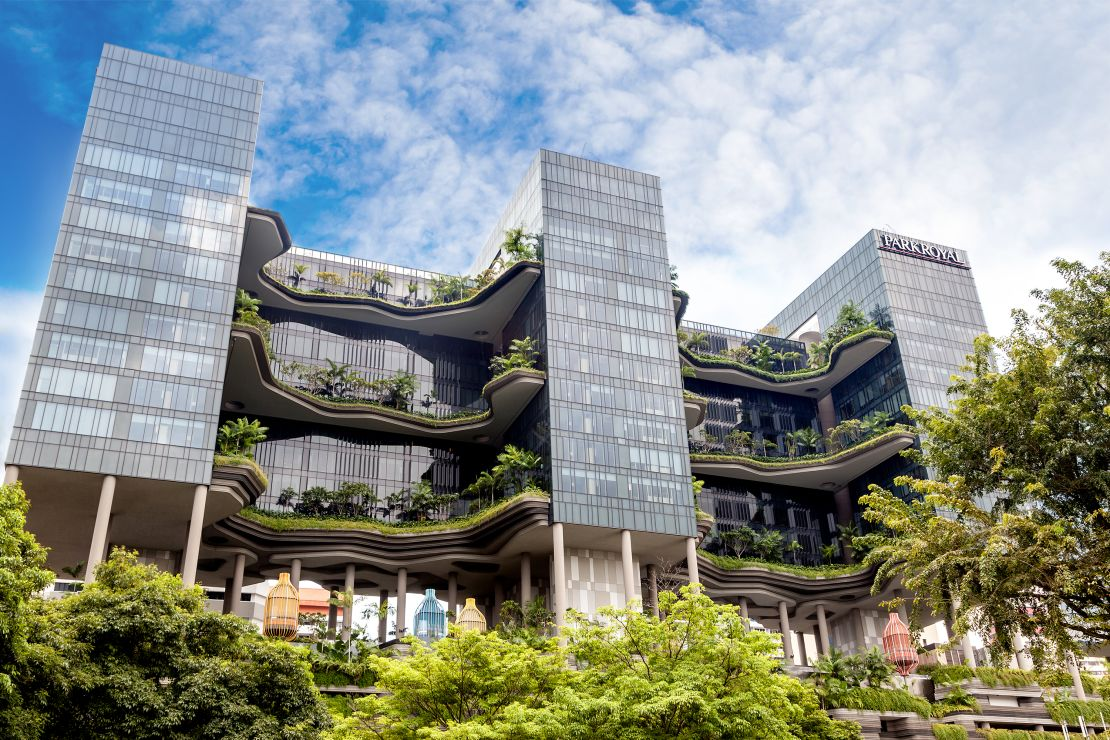
- Green roofs and urban landscaping
Many projects pursue LEED certification, a widely recognized sustainability standard.
Developers are also designing districts that reduce reliance on cars, encouraging walking, biking, and transit use.
Real-World Examples of Next-Generation Business Districts
Across the United States, several developments illustrate how commercial districts are evolving.
Hudson Yards – New York City
Hudson Yards is one of the most ambitious commercial developments in American history. Built on a rail yard on Manhattan’s west side, it combines offices, luxury housing, retail, cultural venues, and public art.
The project includes more than 18 million square feet of space and demonstrates how large-scale mixed-use development can reshape urban neighborhoods.
The Domain – Austin, Texas
Austin’s Domain district blends office space with apartments, retail, restaurants, and entertainment venues. Major technology companies have established offices there, drawn by the live-work-play environment.
Assembly Row – Somerville, Massachusetts
Near Boston, Assembly Row transformed an industrial site into a mixed-use district featuring offices, apartments, retail, and parks, all connected to the MBTA Orange Line.
These projects highlight how strategic planning can transform underused land into thriving commercial centers.
Technology Is Changing How Business Districts Operate
Smart technology is increasingly embedded in modern developments.
Commercial developers use digital infrastructure to improve efficiency and tenant experience.
Examples include:
- Smart building management systems
- Energy monitoring platforms
- Touchless building access
- High-capacity fiber connectivity
- Data-driven security systems
For tenants, these technologies can lower operating costs and improve workplace functionality.
For cities, smart infrastructure can help manage energy use and transportation flows.
Financing and Risk Management in Large Developments
Designing a new business district requires substantial capital and long-term planning.
Large projects often rely on a combination of funding sources.
Common financing structures include:
- Private equity investment
- Institutional real estate funds
- Bank financing
- Public-private partnerships
- Municipal infrastructure support
Developers must also account for economic cycles. Office demand, retail performance, and construction costs can fluctuate significantly during multi-year development timelines.
Successful projects often phase construction over time, allowing developers to adjust to changing market conditions.
How Commercial Developers Work With Cities and Communities
Large developments can reshape entire neighborhoods, so collaboration with local governments and residents is essential.
Cities typically evaluate proposals based on:
- Infrastructure impact
- Housing availability
- Traffic patterns
- Environmental considerations
- Economic development benefits
Community engagement also plays an important role. Developers frequently conduct public meetings to gather feedback and refine project plans.
This process helps balance economic growth with neighborhood concerns.
Frequently Asked Questions
What does a commercial developer do?
A commercial developer plans, finances, and oversees the construction of commercial properties such as office buildings, retail centers, and mixed-use districts.
What is a business district?
A business district is an area of a city where commercial activity is concentrated, including offices, retail stores, restaurants, and professional services.
Why are mixed-use developments becoming popular?
Mixed-use districts combine residential, commercial, and recreational spaces, creating neighborhoods that remain active throughout the day and reducing reliance on long commutes.
How has remote work affected commercial development?
Remote work has increased demand for flexible office spaces and collaborative environments rather than traditional desk-based office layouts.
What makes a successful business district?
Successful districts usually feature transit access, walkability, diverse amenities, flexible office space, and strong connections to surrounding neighborhoods.
How long does it take to develop a commercial district?
Large projects can take 10–20 years from initial planning to full completion due to financing, permitting, and construction phases.
What role does sustainability play in commercial development?
Sustainability helps reduce environmental impact, lower operating costs, and attract tenants that prioritize environmentally responsible buildings.
How do developers choose locations for business districts?
Location decisions often depend on transportation access, local economic growth, zoning regulations, and demand from businesses and residents.
Are commercial districts still important in the remote work era?
Yes. Even with hybrid work, businesses value collaborative spaces and locations that attract talent.
What industries benefit most from modern business districts?
Technology, finance, professional services, and creative industries often thrive in mixed-use commercial environments.
Looking Ahead: The Future Shape of Urban Business Centers
The next generation of business districts will likely look very different from the traditional office clusters of the past.
Developers are increasingly building neighborhoods rather than isolated commercial buildings. These districts blend housing, workplaces, public spaces, and entertainment venues to create vibrant urban environments.
As cities continue to grow and economies evolve, commercial developers will play a central role in shaping how Americans work, collaborate, and interact within urban spaces.
The most successful developments will prioritize adaptability, sustainability, and strong connections between business activity and everyday life.
Key Insights From Modern Commercial Development
- Business districts are evolving into mixed-use urban neighborhoods
- Hybrid work is influencing flexible office design
- Walkability and public spaces are central to successful developments
- Sustainability standards are shaping construction practices
- Smart technology is improving building efficiency and tenant experience
- Transit access remains a critical factor in site selection
 Robert Weber