

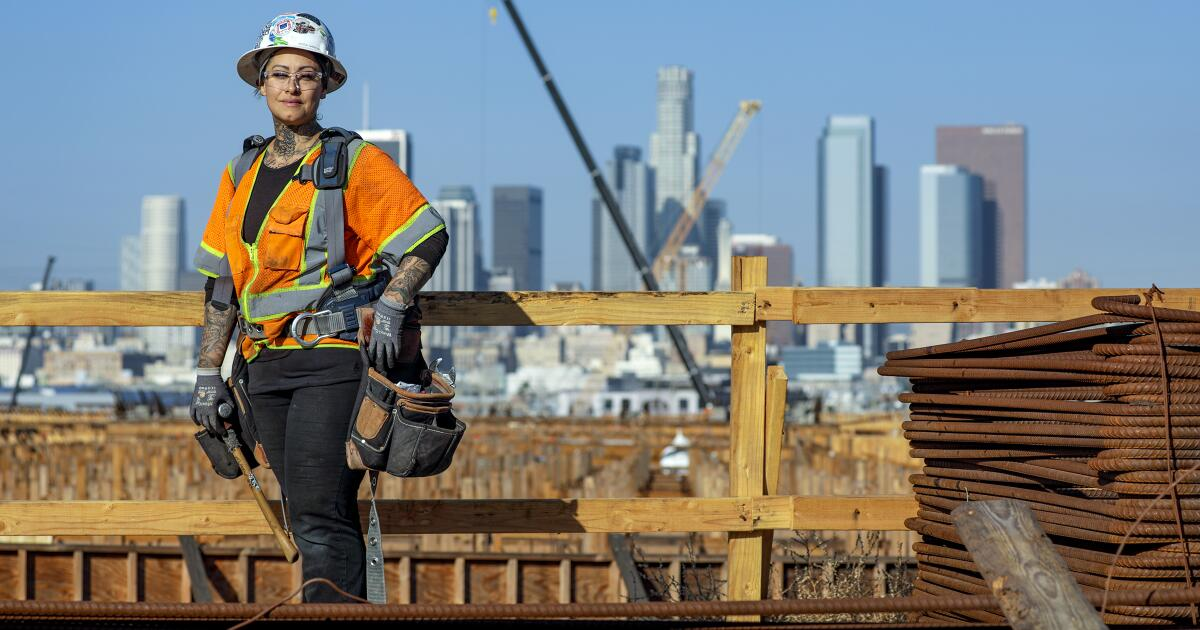
Urban infrastructure developers play a critical role in shaping modern cities. By planning and constructing transportation networks, utilities, and essential public systems, these developers enable economic growth, improve connectivity, and support expanding populations. Their work forms the backbone of sustainable urban development, influencing everything from housing demand to regional productivity and long-term investment patterns.
Understanding the Role of Infrastructure Developers
Infrastructure developers are organizations responsible for planning, financing, constructing, and often maintaining large-scale systems that support cities and communities. Their work goes far beyond roads and bridges. It includes power grids, water systems, airports, telecommunications networks, transit systems, and logistics corridors.
In growing urban regions across the United States, infrastructure developers help transform undeveloped land into functioning communities. Their projects enable residential developers to build housing, allow businesses to operate efficiently, and support the movement of people and goods.
Urban growth is rarely possible without infrastructure expansion. A new suburb requires highways, utilities, and drainage systems. A new industrial park needs access roads, freight rail, and reliable electricity. Infrastructure developers coordinate these systems so development can occur safely and efficiently.
According to the American Society of Civil Engineers (ASCE), the U.S. must invest more than $3.7 trillion in infrastructure by 2033 to maintain reliable national systems. This investment highlights how central infrastructure development is to economic stability and growth.
Why Infrastructure Development Drives Urban Growth
Cities grow when people and businesses have access to reliable transportation, utilities, and public services. Infrastructure developers provide the systems that make this growth possible.
Without strong infrastructure, urban expansion often leads to congestion, unreliable utilities, and economic inefficiencies. Strategic infrastructure investment can unlock development potential in entire regions.
Consider how infrastructure influences urban development:
- New highways often trigger suburban housing construction.
- Transit lines encourage dense residential and commercial development.
- Ports and logistics hubs attract manufacturing and distribution businesses.
- Utility expansions enable new industrial parks.
A widely cited example is the expansion of the Dallas–Fort Worth highway network, which supported major population growth and commercial development over the past two decades.
Infrastructure development is therefore not just about construction—it is about enabling entire economic ecosystems.
Key Types of Infrastructure Projects Developers Build
Infrastructure developers work across multiple sectors that support urban life and economic activity.
Transportation Infrastructure
Transportation systems allow people and goods to move efficiently. Developers design and build major components such as highways, rail systems, bridges, airports, and public transit networks.
Projects often involve coordination with federal, state, and local governments.
Examples include:
- Interstate highway expansions
- Light rail and subway systems
- Regional airports
- Freight rail terminals
- Major bridge and tunnel projects
Transportation infrastructure is closely linked to economic productivity. The U.S. Department of Transportation notes that freight transportation alone supports more than $18 trillion in annual economic activity.
Utility and Energy Infrastructure
Cities require reliable utilities to function. Infrastructure developers build systems that deliver essential services such as electricity, natural gas, water, and telecommunications.
Utility infrastructure typically includes:
- Power plants and transmission lines
- Water treatment and distribution systems
- Wastewater treatment facilities
- Broadband fiber networks
- Renewable energy installations
Reliable utilities attract business investment and improve quality of life for residents.
Water and Environmental Infrastructure
Water infrastructure is often overlooked but critical to sustainable urban growth.
Developers design systems that manage water supply, stormwater drainage, flood control, and wastewater treatment. These systems protect communities from environmental risks while ensuring clean water access.
Major projects may include:
- Stormwater drainage networks
- Flood protection levees
- Reservoirs and aqueducts
- Wastewater treatment plants
Climate change and extreme weather have increased the importance of resilient water infrastructure.
Logistics and Industrial Infrastructure
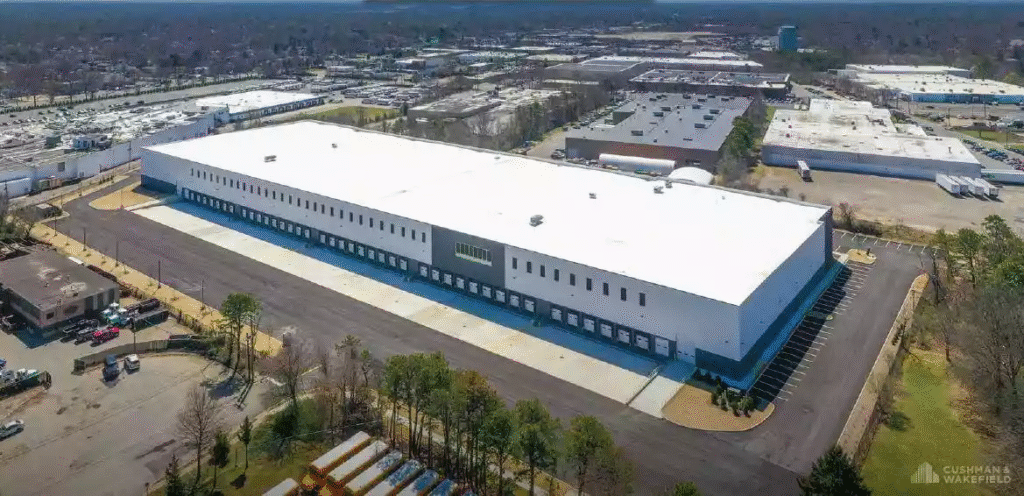
Modern supply chains depend on efficient logistics systems. Infrastructure developers build facilities that support transportation and distribution networks.
These projects often include:
- Logistics parks
- Freight corridors
- Port expansions
- Intermodal terminals
- Industrial utility networks
The rise of e-commerce has significantly increased demand for logistics infrastructure across the United States.

How Infrastructure Developers Finance Large Projects
Infrastructure projects often require billions of dollars in investment and take years to complete. Developers typically rely on complex financing structures that combine public and private capital.
Common funding sources include:
- Federal and state infrastructure grants
- Municipal bonds
- Public-private partnerships (PPPs)
- Private equity investment
- Infrastructure funds and institutional investors
Public-private partnerships have become increasingly common in the United States. These partnerships allow governments to collaborate with private developers to fund, build, and operate infrastructure projects.
For example, several U.S. toll road expansions and transit systems have been developed using PPP models, allowing projects to move forward without placing the entire financial burden on taxpayers.
Planning Infrastructure for Future Cities
Infrastructure development requires long-term planning. Systems built today must support population growth and technological change for decades.
Urban planners and developers analyze several factors before launching infrastructure projects:
- Population growth projections
- Economic development patterns
- Environmental impact
- Transportation demand
- Climate resilience
- Land-use planning
For instance, fast-growing cities such as Austin, Texas, have expanded highway networks, water systems, and public transit to support rapid population growth.
Forward-looking infrastructure planning helps cities avoid costly retrofits and congestion problems later.
Technology Is Changing Infrastructure Development
Technology is transforming how infrastructure projects are designed, built, and managed.
Infrastructure developers increasingly rely on advanced tools such as:
- Geographic information systems (GIS)
- Building information modeling (BIM)
- Smart traffic management systems
- Infrastructure monitoring sensors
- Data-driven planning software
Smart infrastructure systems can monitor road conditions, manage traffic flow, and detect maintenance issues before they become serious.
For example, several U.S. cities now use smart traffic signals that adjust timing based on real-time traffic conditions, reducing congestion and improving travel times.
Digital infrastructure, including fiber networks and 5G systems, is also becoming a critical component of urban development.
Challenges Infrastructure Developers Face
Infrastructure development is complex and often faces significant challenges.
Some of the most common include:
- Lengthy permitting and regulatory approvals
- Environmental review requirements
- Rising construction costs
- Land acquisition challenges
- Community opposition to large projects
- Supply chain disruptions
Large projects can take years to move from planning to construction. Coordination among government agencies, developers, and communities is essential to keep projects on schedule.
Despite these challenges, infrastructure investment remains one of the most powerful tools for regional economic growth.
How Infrastructure Shapes Real Estate Development
Infrastructure development has a direct impact on property markets.
When new transportation systems or utilities are built, land values often increase because the area becomes more accessible and attractive for development.
Infrastructure improvements can influence:
- Residential housing demand
- Commercial real estate investment
- Industrial development
- Population migration patterns
A new commuter rail line, for example, can trigger residential construction around stations. Similarly, highway expansions can open previously undeveloped areas to new housing and commercial projects.
This relationship explains why real estate developers closely monitor infrastructure planning initiatives.

Frequently Asked Questions
What do infrastructure developers do?
Infrastructure developers plan, finance, construct, and sometimes operate major public systems such as highways, bridges, water networks, and energy infrastructure.
Why is infrastructure important for cities?
Infrastructure provides the essential systems that allow cities to function, including transportation, utilities, water systems, and communication networks.
Who pays for infrastructure projects?
Funding typically comes from a mix of government budgets, municipal bonds, private investors, and public-private partnerships.
How long does it take to build major infrastructure projects?
Large projects can take several years or even decades when planning, permitting, and construction are combined.
What is a public-private partnership in infrastructure?
A public-private partnership is a collaboration where private developers finance, build, or operate infrastructure while governments oversee regulation and public interest.
How does infrastructure affect property values?
Improved transportation and utilities can increase accessibility and attract development, often raising nearby property values.
What industries rely heavily on infrastructure development?
Transportation, manufacturing, logistics, utilities, telecommunications, and real estate development all rely on infrastructure systems.
Are infrastructure developers involved in renewable energy?
Yes. Many infrastructure developers now build renewable energy systems such as solar farms, wind farms, and energy storage facilities.
What skills are needed to work in infrastructure development?
Common expertise includes civil engineering, urban planning, project management, finance, environmental science, and construction management.
How is technology improving infrastructure systems?
Technology helps optimize planning, improve traffic management, monitor structural conditions, and enhance overall system efficiency.
The Structural Backbone of Expanding Cities
Infrastructure developers quietly shape how cities grow, how economies function, and how communities connect. Their projects support housing expansion, commercial investment, and industrial productivity.
As urban populations continue to grow, the demand for resilient transportation systems, reliable utilities, and sustainable infrastructure will only increase. The cities that plan and invest strategically today will be better prepared to support economic opportunity and quality of life for decades to come.
Key Insights From This Guide
- Infrastructure developers build transportation, utility, and logistics systems that support urban growth
- Strong infrastructure is essential for economic productivity and real estate development
- Projects often rely on complex financing including public-private partnerships
- Technology is improving infrastructure design, monitoring, and efficiency
- Strategic infrastructure planning helps cities accommodate long-term population growth
 Robert Weber