

Summary
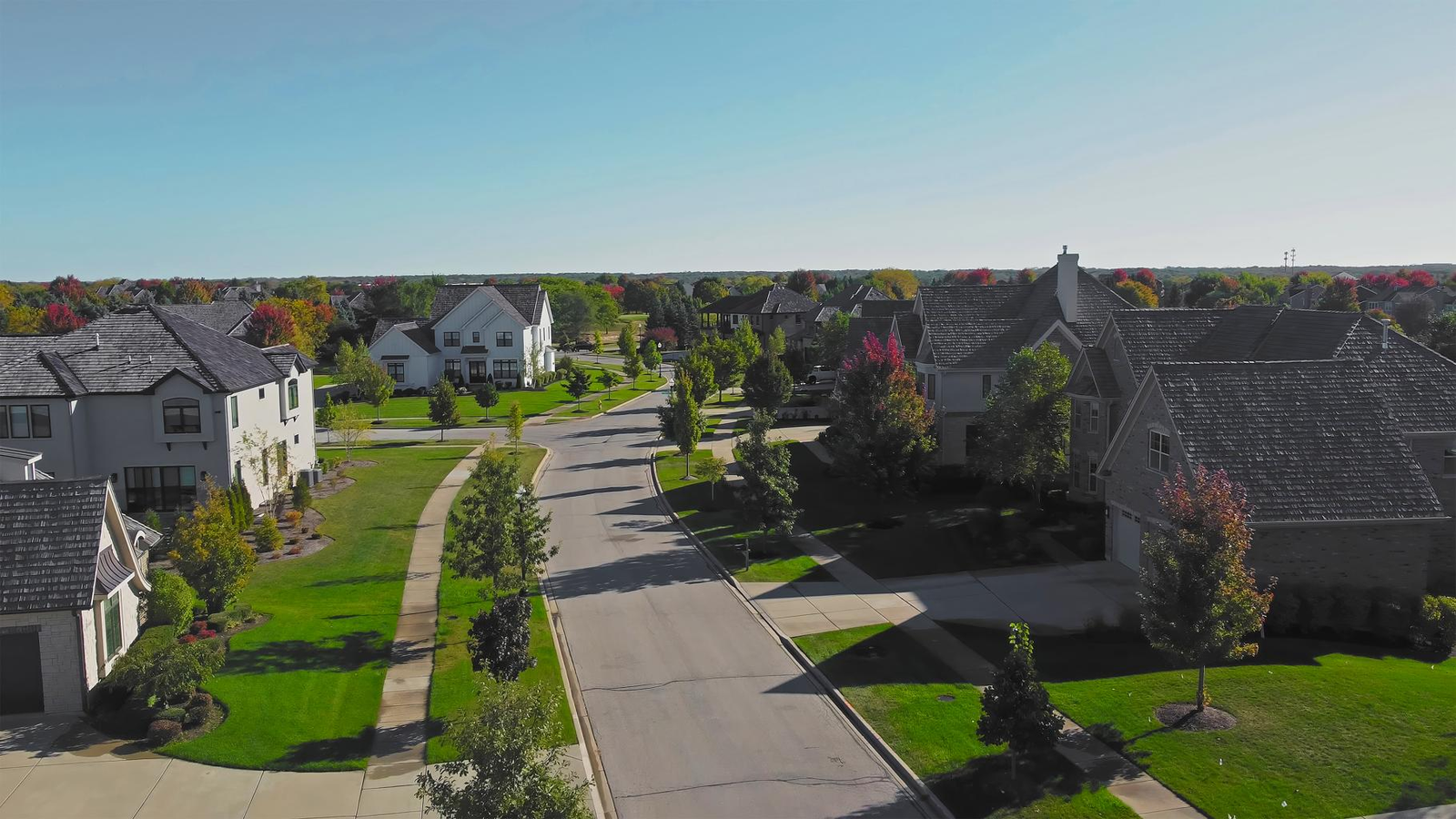
Residential development projects play a central role in shaping the growth of American suburbs. From housing design and transportation planning to school districts and retail development, new communities influence how people live, commute, and interact. Understanding how these projects unfold helps homeowners, investors, and policymakers evaluate suburban expansion and its long-term impact on housing affordability, infrastructure, and quality of life.
The Expanding Suburb: Why Growth Continues Outside City Centers
Across the United States, suburbs have experienced steady expansion for decades. While large cities remain economic hubs, suburban communities continue attracting families, professionals, and retirees seeking more space, quieter neighborhoods, and improved housing affordability.
According to the U.S. Census Bureau, suburban counties have accounted for a significant share of population growth in recent years, particularly in fast-growing regions such as Texas, Florida, Arizona, and North Carolina. Much of that growth stems from new residential developments built on previously undeveloped land at the edge of metropolitan areas.
Residential development projects are not simply housing construction initiatives. They function as large-scale planning efforts that influence transportation systems, school districts, local economies, and the built environment.
When developers introduce a new neighborhood—whether a 200-home subdivision or a master-planned community with thousands of units—the project often reshapes how surrounding suburbs evolve over the following decade.
What Is a Residential Development Project?
A residential development project refers to the planning, design, and construction of new housing communities. These projects typically involve collaboration between developers, architects, engineers, municipal governments, and infrastructure providers.
Most suburban residential developments include more than just homes. They often integrate infrastructure and amenities designed to support a growing population.
Typical components include:
- Single-family homes, townhomes, or multifamily units
- Roads, sidewalks, and utilities
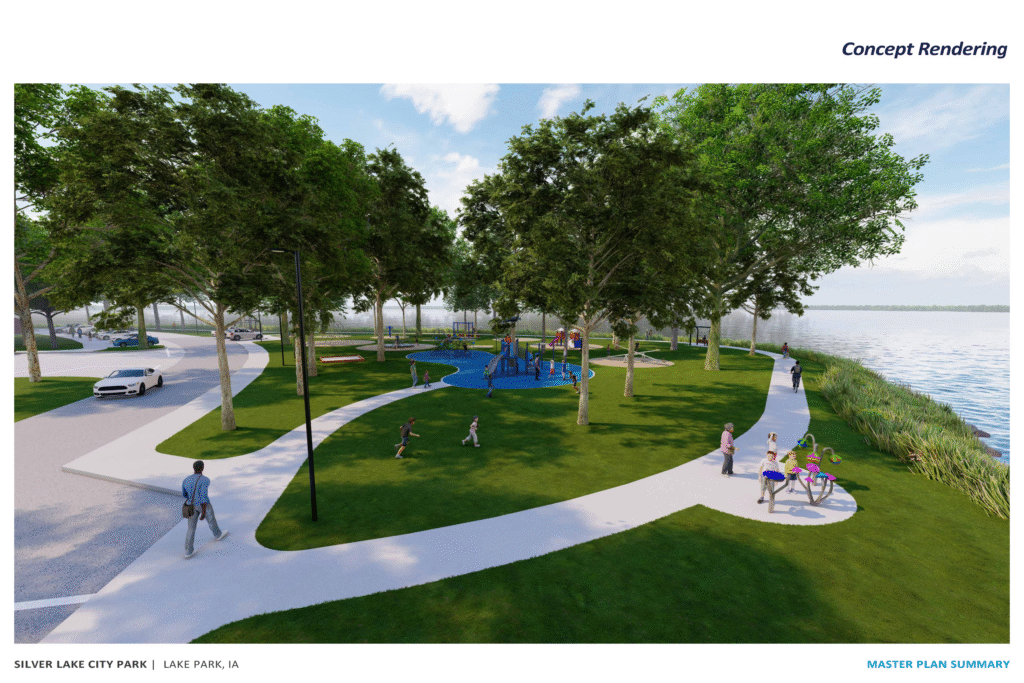
- Public green spaces or parks
- Schools or educational facilities nearby
- Retail and commercial services
- Community amenities such as pools or walking trails
The size and scope of these projects vary widely. Some developments consist of small clusters of homes, while others become entire master-planned communities with tens of thousands of residents.
Housing Supply: Meeting Demand in Growing Metro Areas
One of the most immediate ways residential development shapes suburbs is by expanding housing supply.
As urban populations grow and housing costs rise in city centers, many households look toward suburbs where larger homes and lower prices may be available. Developers respond to this demand by building new communities in previously undeveloped areas.
For example, the Dallas–Fort Worth metro area has seen some of the fastest suburban housing growth in the country. Communities such as Frisco and Prosper were once small towns but have transformed into thriving suburbs due to sustained residential development.
This process generally unfolds in phases:
- Land acquisition on the metropolitan fringe
- Infrastructure installation (roads, water, utilities)
- Housing construction by builders
- Gradual population migration into the area
As these communities fill in, they create new residential hubs that eventually support additional services, schools, and employment centers.
Infrastructure Development: Roads, Utilities, and Connectivity
Residential growth often drives infrastructure investment. When developers build new communities, they frequently partner with municipalities to expand roads, sewer systems, water supply networks, and power infrastructure.
Infrastructure development influences suburban life in several important ways.
First, transportation networks must accommodate increased commuter traffic. Suburbs that experience rapid population growth typically see highway expansions, new arterial roads, and improved public transit connections.
Second, utility systems must scale to support new households. Water treatment plants, electrical grids, and broadband networks expand to serve growing populations.
In many suburbs, infrastructure upgrades precede development to ensure communities remain functional as they grow.
Examples of infrastructure investments commonly linked to residential development include:
- Road widening projects
- New highway interchanges
- Expanded public transit routes
- Water and wastewater system upgrades
- Broadband fiber installation
Without these upgrades, suburban expansion would quickly strain existing systems.
School Districts and Community Planning
School quality remains one of the most important factors influencing suburban development.
Many residential projects are strategically located within high-performing school districts or designed to accommodate new educational facilities as populations increase.
Local governments frequently coordinate with developers to ensure that growing communities have adequate school capacity. In some cases, developers donate land for future school construction.
This relationship between residential development and education has a noticeable effect on housing markets.
Suburbs with strong public schools often see:
- Higher property demand
- Stronger home price appreciation
- Increased family migration from urban areas
Communities such as Plano, Texas, Irvine, California, and Fairfax County, Virginia demonstrate how strong school systems can reinforce suburban growth patterns.
The Rise of Master-Planned Communities
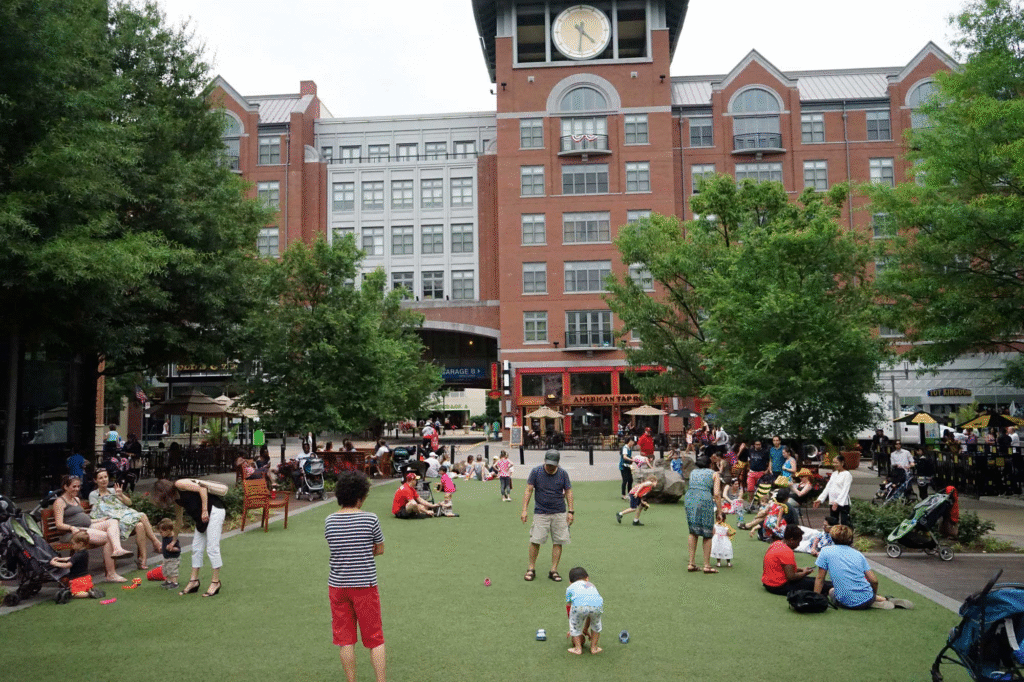
Many modern suburbs are shaped by master-planned developments, large-scale residential projects designed to integrate housing, retail, parks, and infrastructure into a cohesive environment.
Master-planned communities differ from traditional subdivisions because they focus on long-term urban design rather than simply building homes.
Features often include:
- Mixed housing types (single-family homes, townhomes, apartments)
- Walkable commercial districts
- Parks and open space networks
- Community recreation centers
- Retail and dining districts
- Schools within the community
Well-known examples include The Woodlands near Houston and Lakewood Ranch in Florida, both of which have evolved into fully developed suburban cities.
These communities demonstrate how residential development can create entirely new suburban ecosystems rather than isolated housing clusters.
Economic Impact on Local Suburbs
Residential development also affects suburban economies.
When new housing communities appear, they increase demand for nearby goods and services. Restaurants, grocery stores, medical offices, and retail centers often follow residential growth.
This cycle produces local economic benefits, including:
- Construction employment
- Increased property tax revenue
- New retail investment
- Expanded service-sector jobs
According to the National Association of Home Builders (NAHB), building 100 single-family homes can generate hundreds of local jobs and millions of dollars in economic activity during construction and occupancy phases.
Over time, successful suburban developments may attract corporate offices and business parks as populations expand.
Transportation and Commuting Patterns
Suburban expansion influences how people travel to work and move through metropolitan areas.
Historically, suburbs were closely tied to commuting patterns, with residents traveling into city centers for employment. However, modern suburban development is increasingly shifting this pattern.
Many suburbs now contain major employment centers themselves. Technology parks, healthcare campuses, and regional offices have relocated closer to suburban populations.
As a result:
- Commutes may occur between suburbs rather than city centers
- Traffic patterns diversify across metropolitan regions
- Transit planners must adapt to decentralized job markets
Transportation planning has become a critical part of suburban development discussions, especially as metropolitan regions grow larger.
Environmental and Land-Use Considerations
Residential expansion into suburban areas raises important environmental questions.
Developers and municipalities must consider how new communities affect land use, water resources, and natural habitats.
Modern residential development increasingly incorporates sustainability strategies such as:
- Preserving open green space
- Protecting wetlands and natural habitats
- Building energy-efficient homes
- Integrating stormwater management systems
- Creating walkable neighborhoods
These design choices help balance growth with environmental responsibility.
Some suburbs also adopt smart growth policies, encouraging denser development near transit corridors while preserving surrounding land.
Housing Affordability and Suburban Growth
One of the driving forces behind suburban development is housing affordability.
In many metropolitan areas, urban housing prices have risen sharply. Suburbs offer opportunities for larger homes at lower costs per square foot.
However, affordability challenges still exist. Land costs, construction expenses, and zoning regulations can influence housing prices in suburban developments.
To address these issues, some municipalities encourage:
- Mixed-income housing developments
- Townhome and multifamily construction
- Smaller lot sizes
- Accessory dwelling units
These strategies help expand housing options within suburban communities.
Frequently Asked Questions
What defines a residential development project?
A residential development project involves planning, constructing, and delivering housing communities, often including infrastructure, amenities, and supporting services.
Why are suburbs growing faster than some cities?
Many people move to suburbs for larger homes, lower housing costs, better schools, and quieter environments while still maintaining access to urban jobs.
How do developers choose where to build new suburbs?
Developers evaluate land availability, proximity to employment centers, transportation access, school districts, and local zoning policies.
Do residential developments include commercial areas?
Many modern developments incorporate retail, restaurants, and services to support residents and reduce travel distances.
How do new developments affect property values?
New infrastructure, amenities, and population growth can increase property demand, which may influence home values.
What is a master-planned community?
A master-planned community is a large-scale development designed with integrated housing, parks, schools, and commercial areas.
Are suburban developments environmentally sustainable?
Many newer developments incorporate sustainability measures such as energy-efficient homes, preserved green space, and improved stormwater management.
How long does a suburban development project take?
Large developments can take 10–20 years to fully build out, depending on size and market demand.
Do residential developments create jobs?
Yes. Construction, retail, and service industries often benefit from new residential communities.
Can suburban growth reduce urban housing pressure?
In some cases, expanding housing supply in suburbs can help balance regional housing demand.
Looking Ahead: The Next Phase of Suburban Living
Residential development continues to redefine the American suburban landscape. What began decades ago as simple commuter suburbs has evolved into diverse, economically vibrant communities that combine housing, employment, and lifestyle amenities.
As metropolitan areas grow, suburban development will likely focus on balancing expansion with sustainability, infrastructure investment, and thoughtful community planning.
For homeowners, investors, and policymakers, understanding how residential development shapes suburban environments provides valuable insight into the future of housing across the United States.
Key Insights From Suburban Development Trends
- Residential developments significantly influence suburban population growth
- Infrastructure expansion often follows new housing construction
- School districts play a major role in suburban housing demand
- Master-planned communities are increasingly common
- Residential growth stimulates local retail and economic activity
- Transportation patterns are evolving as suburbs gain employment centers
- Sustainability and land-use planning are becoming more important in development decisions
 Robert Weber