

Summary
Infrastructure development—such as highways, transit systems, utilities, and public amenities—plays a powerful role in shaping real estate values. Improved accessibility, job growth, and neighborhood desirability often raise property prices, while poorly planned projects can have the opposite effect. Understanding how infrastructure affects property value helps buyers, investors, and homeowners make more informed long-term real estate decisions.
Why Infrastructure Matters in Real Estate
Infrastructure forms the foundation of economic activity and urban growth. Roads, bridges, rail lines, water systems, schools, and public facilities determine how efficiently people move, live, and work. Because real estate depends heavily on accessibility and livability, property values often rise in areas where infrastructure improves.
Across the United States, real estate markets have repeatedly demonstrated that property prices respond strongly to transportation upgrades, public services, and urban revitalization initiatives.
For example, research from the National Association of Realtors (NAR) and Urban Land Institute shows that properties located near reliable public transit often command premiums ranging from 5% to 20% higher than comparable properties without transit access.
Infrastructure acts as a long-term signal of investment in a community. When governments invest billions in transportation networks or utilities, private investment typically follows—new housing developments, retail centers, offices, and services.
Over time, this combination creates stronger demand for nearby property.
The Types of Infrastructure That Influence Property Value
Not all infrastructure improvements affect property values equally. Some projects deliver immediate benefits, while others shape long-term neighborhood growth.
Transportation Infrastructure
Transportation is the single most influential category for real estate value.
When commuting becomes easier, demand for nearby housing rises.
Examples include:
- New highways or freeway expansions
- Commuter rail lines
- Subway or metro stations
- Bus rapid transit systems
- Airport expansions
- Bicycle and pedestrian networks
In cities such as Denver, Seattle, and Dallas, homes located within half a mile of rail stations have consistently sold at premiums due to reduced commuting times.
However, proximity has limits. While convenient access increases value, properties immediately adjacent to noisy highways or rail yards may experience price discounts due to noise or traffic.
Utilities and Essential Services
Infrastructure improvements related to utilities are less visible but equally important.
Reliable services improve property values because they reduce long-term risk for homeowners and businesses.
These include:
- Water and sewer systems
- Electricity grid upgrades
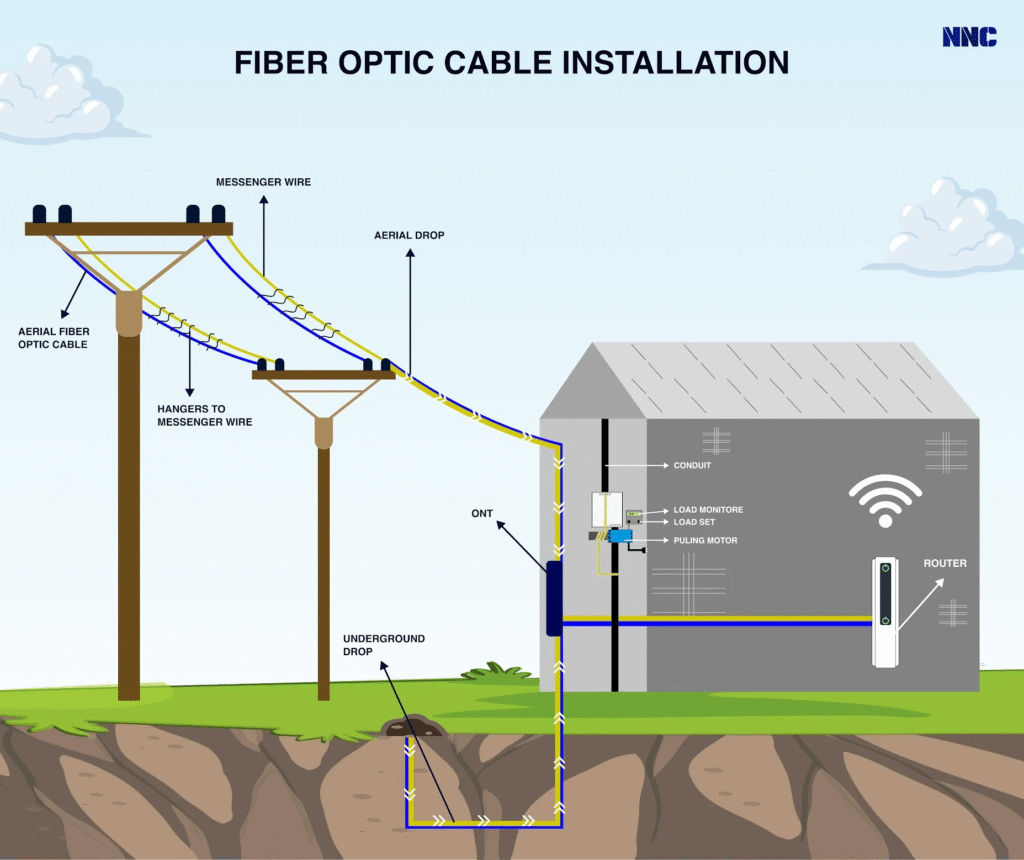
- Broadband internet expansion
- Flood control and stormwater systems
- Natural gas distribution
According to the American Society of Civil Engineers (ASCE), communities with modern utility infrastructure experience stronger long-term economic growth, which translates into higher housing demand.
In rural areas, the introduction of high-speed broadband has significantly increased property appeal for remote workers and small businesses.
Public Amenities and Community Infrastructure
Infrastructure extends beyond transportation and utilities. Public amenities contribute directly to neighborhood desirability.
These include parks, schools, libraries, healthcare facilities, and cultural centers.
A well-maintained public park or recreation trail can increase nearby home values by 8–20%, according to several studies cited by the Trust for Public Land.
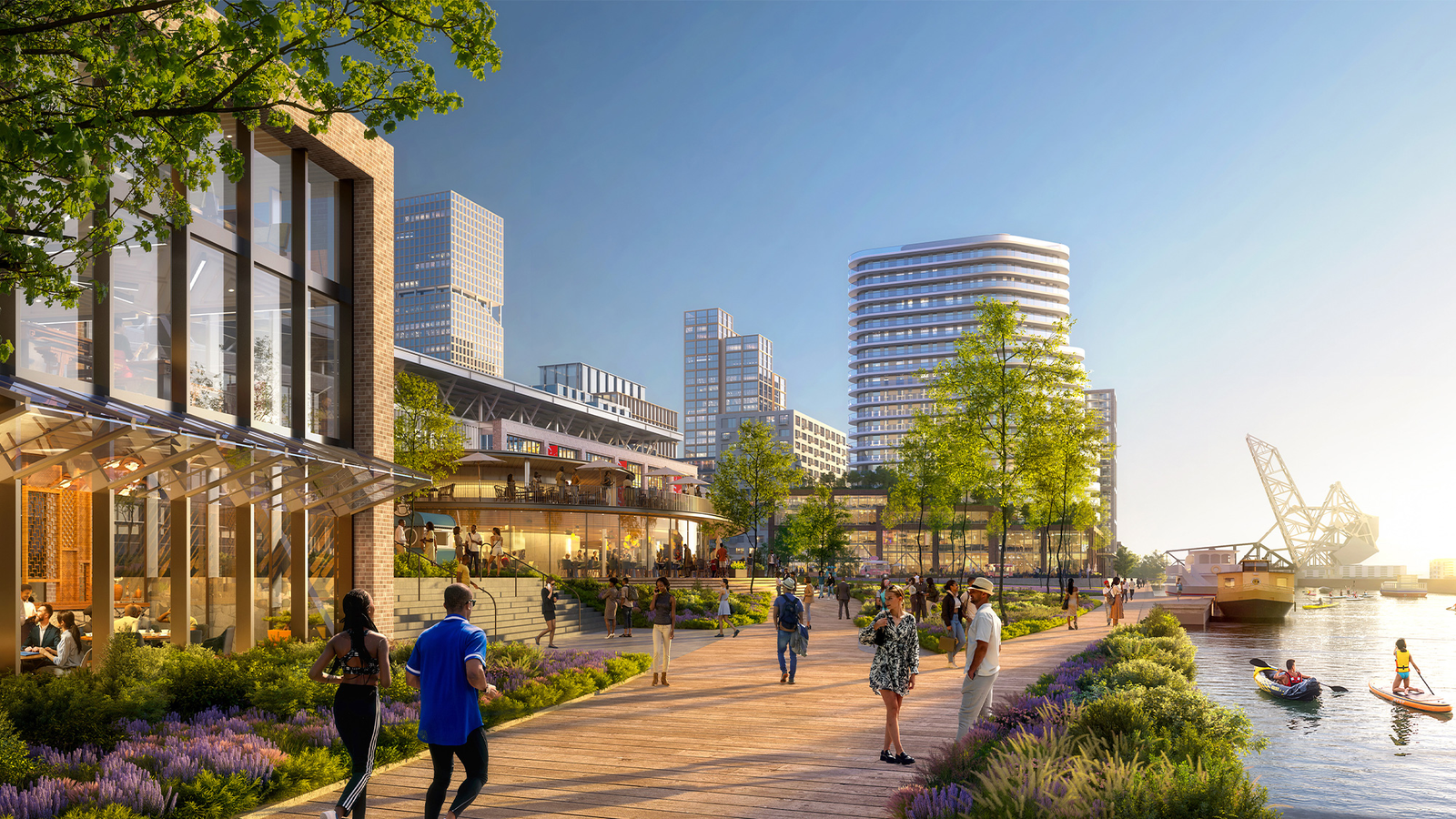
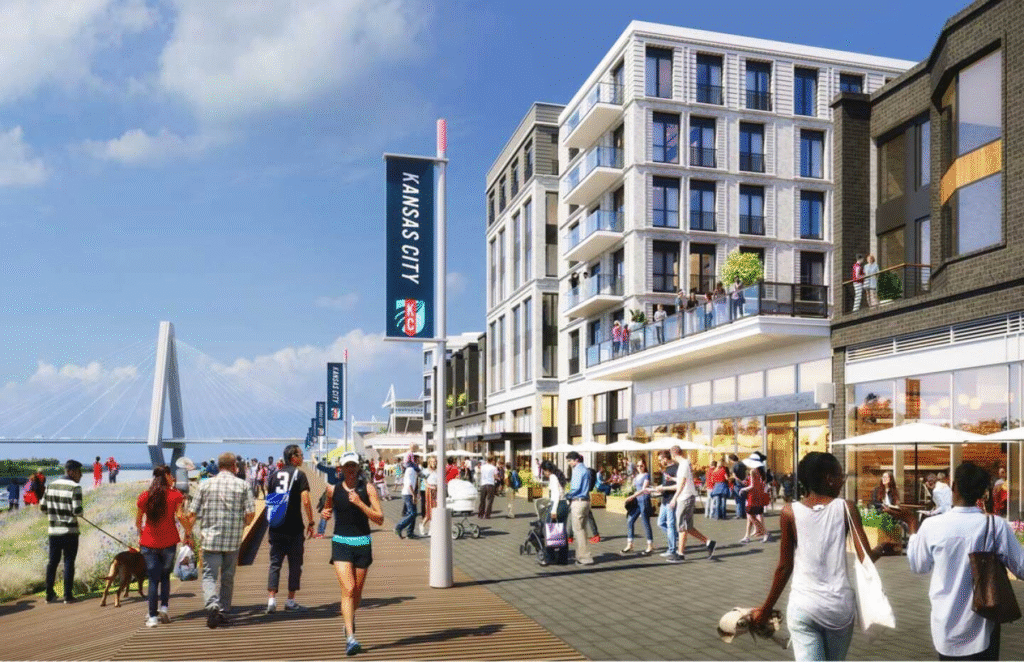
In cities such as Austin and Minneapolis, urban trail networks and waterfront redevelopment projects have triggered major real estate appreciation in surrounding neighborhoods.
Similarly, investment in high-quality public schools often drives strong housing demand. Many families prioritize school districts when choosing where to buy a home, which pushes property prices higher in well-funded education zones.
Infrastructure as a Catalyst for Neighborhood Transformation
Infrastructure investment often acts as a trigger for broader urban transformation.
When governments fund large projects—such as transit expansions or waterfront redevelopment—it signals long-term commitment to an area’s growth.
Developers frequently follow with:
- Mixed-use developments
- Retail and entertainment districts
- Apartment complexes
- Office space
- Hotels
This pattern is visible in many U.S. cities.
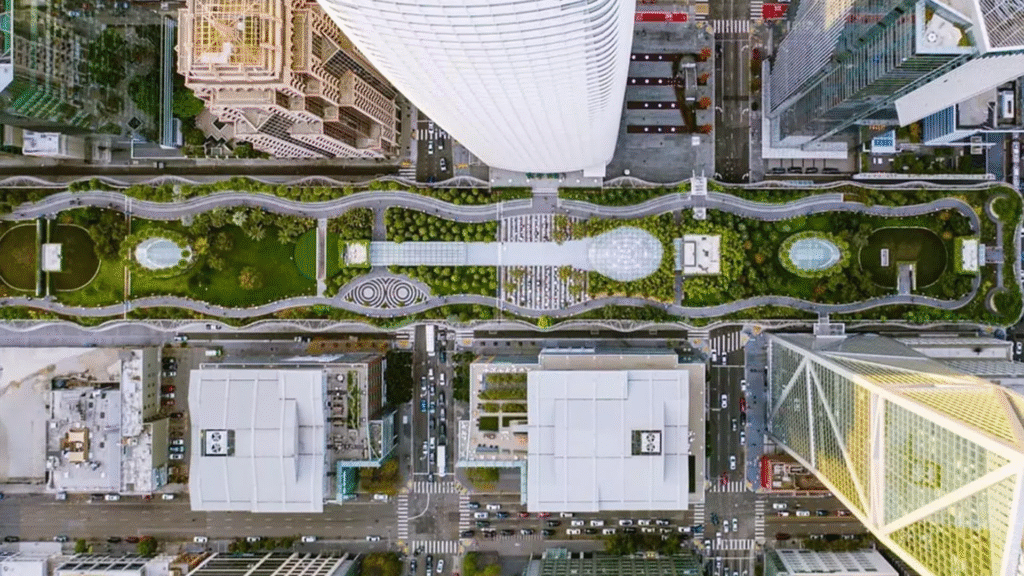
One widely cited example is the High Line park project in New York City. After the elevated railway was transformed into a public park, nearby property values increased dramatically, and billions of dollars in private development followed.
Similarly, infrastructure investments surrounding the Atlanta BeltLine project have stimulated new housing, commercial development, and rising home prices across multiple neighborhoods.
These examples show how infrastructure can reshape the economic trajectory of an entire district.
How Transportation Projects Affect Property Prices
Transportation improvements often have the most immediate impact on property values because they influence daily commuting patterns.
Shorter commute times increase housing demand.
Research by the Brookings Institution indicates that households place significant financial value on time saved during commuting. Even small improvements in accessibility can translate into meaningful real estate price increases.
Consider these real-world scenarios:
- A suburban rail station reduces commute time to downtown from 60 minutes to 30 minutes. Nearby home prices rise because more workers are willing to live in the area.
- A new interstate exit opens access to a previously isolated suburb, making land attractive for residential and commercial development.
- An airport expansion attracts businesses and tourism, increasing demand for housing and hotels nearby.
However, transportation infrastructure must be carefully planned. High traffic volumes, pollution, or noise can negatively affect property values in immediately adjacent areas.
In other words, accessibility increases value, but excessive congestion can reduce it.
Infrastructure Investment and Economic Growth
Infrastructure drives economic growth by improving productivity and efficiency.
The U.S. Congressional Budget Office has reported that public infrastructure investment increases private sector output over time, especially when it reduces transportation costs and improves logistics.
When economic activity increases, real estate markets benefit through:
- Job creation
- Population growth
- Business expansion
- Increased housing demand
This dynamic explains why large infrastructure packages often stimulate regional property markets.
For instance, logistics hubs and port expansions frequently lead to new industrial parks, warehouses, and housing developments for workers.
Potential Downsides: When Infrastructure Reduces Property Value
While infrastructure typically boosts property values, certain projects can have negative effects.
Potential downsides include:
- Noise pollution from highways or rail lines
- Increased traffic congestion in residential neighborhoods
- Environmental impacts such as air pollution
- Construction disruptions lasting several years
- Eminent domain land acquisition
For example, properties located directly next to major highways often sell for less than comparable homes located a few blocks away.
Similarly, industrial infrastructure—such as freight rail yards or ports—can reduce nearby residential desirability due to noise and truck traffic.
Investors therefore evaluate both proximity and placement when assessing infrastructure impacts.
How Investors Evaluate Infrastructure Projects
Experienced real estate investors pay close attention to infrastructure plans before making purchase decisions.
Government planning documents and municipal development strategies often reveal where future growth will occur.
Investors commonly analyze:
- City transportation master plans
- Public transit expansion proposals
- Highway and road upgrades
- Utility modernization projects
- Zoning changes and redevelopment districts
These signals help investors identify neighborhoods likely to experience rising demand in the coming years.
However, timing matters. Property prices sometimes increase before infrastructure projects are completed, as investors anticipate future growth.
This phenomenon—known as “pricing in the future”—means that early awareness can provide an advantage.
Infrastructure and Suburban Growth
Infrastructure development has historically shaped suburban expansion across the United States.
The interstate highway system, first developed in the 1950s, transformed commuting patterns and enabled large suburban housing markets to emerge.
Today, similar trends continue with:
- commuter rail expansions
- new suburban highways
- remote-work-driven relocation
- digital infrastructure such as fiber internet
Many suburbs experiencing strong property value growth share a common feature: improved connectivity to employment centers.
For example, areas outside cities like Austin, Nashville, and Phoenix have experienced rapid housing demand partly due to transportation and infrastructure upgrades.
What Homebuyers Should Consider
For homebuyers and homeowners, infrastructure development can be both an opportunity and a risk.
When evaluating property near infrastructure projects, consider the following factors:
- Distance from major roads or rail lines
- Future development plans for the surrounding area
- Expected changes in traffic or population density
- Quality of public amenities such as parks and schools
- Long-term environmental impacts
A property located within convenient distance of transit, parks, and commercial services often benefits most from infrastructure improvements.
At the same time, properties too close to heavy traffic corridors may face noise or congestion concerns.
Understanding the difference can help buyers make smarter long-term decisions.
Frequently Asked Questions
Does infrastructure always increase property values?
No. While many infrastructure projects increase accessibility and demand, others—such as highways or industrial facilities—can reduce nearby property values due to noise, pollution, or traffic.
How much can public transit increase home values?
Studies suggest homes near reliable transit stations often sell for 5–20% higher than comparable properties without transit access.
Do new highways increase home prices?
Highways can increase regional property demand by improving accessibility, but homes directly adjacent to busy highways may experience lower values due to noise and traffic.
Does broadband internet affect property value?
Yes. In many areas, especially rural communities, access to high-speed internet significantly increases property attractiveness for remote workers and businesses.
How long does it take for infrastructure to affect property prices?
Property values may begin rising years before completion if investors anticipate strong economic growth from the project.
Do parks and green spaces increase home values?
Yes. Homes near parks and greenways often sell at premiums due to improved quality of life and recreational access.
Can infrastructure cause gentrification?
Large infrastructure investments sometimes trigger rapid development and rising property prices, which may displace long-time residents if housing supply is limited.
Where can investors find information about future infrastructure projects?
City planning departments, transportation agencies, and regional development authorities typically publish infrastructure plans and project timelines.
Are infrastructure improvements good for rental property investors?
Often yes. Improved accessibility and economic growth usually increase rental demand and occupancy rates.
Should buyers purchase property before infrastructure projects begin?
Buying early can sometimes capture appreciation before prices rise, but buyers should carefully evaluate project timelines and potential risks.
Looking Ahead: Infrastructure as a Long-Term Value Driver
Infrastructure development remains one of the most powerful forces shaping real estate markets. Transportation systems, utilities, parks, and public services influence where people choose to live, work, and invest.
For homeowners, infrastructure can enhance quality of life and property value. For investors, it signals future growth opportunities. And for cities, it forms the backbone of economic development.
Understanding how infrastructure projects interact with housing demand allows buyers and investors to evaluate property decisions with greater confidence and foresight.
Key Insights at a Glance
- Infrastructure improvements often increase property demand and prices
- Transportation access has one of the strongest effects on home values
- Parks, schools, and amenities improve neighborhood desirability
- Utility and broadband upgrades support long-term economic growth
- Major infrastructure investments attract private development
- Projects can also create downsides such as noise or congestion
- Investors track government infrastructure plans to anticipate growth
- Suburban expansion often follows improved connectivity to cities
 Robert Weber