


Summary
Real estate development is a multi-stage process that transforms raw land into homes, offices, and communities. It involves land acquisition, feasibility analysis, financing, design, permitting, and construction. Each stage requires coordination between developers, investors, planners, engineers, and contractors. Understanding how the process works helps investors, property owners, and communities evaluate projects more effectively and anticipate the timelines, risks, and opportunities involved.
Understanding Real Estate Development
Real estate development is the structured process of turning land or existing property into usable residential, commercial, or mixed-use space. While the finished project—an apartment building, logistics center, or office campus—often receives the most attention, the development process itself typically takes several years and involves a wide network of professionals.
In the United States, developers must navigate land markets, local zoning regulations, environmental standards, construction logistics, and financing arrangements before a project can even break ground. According to the Urban Land Institute, development timelines for medium-sized commercial projects often range from 2 to 5 years, depending on entitlement approvals and financing conditions.
At its core, development is about risk management. Developers must balance land costs, regulatory requirements, construction budgets, and market demand while ensuring the project remains financially viable.
The process typically unfolds in several major stages:
- Land acquisition
- Market research and feasibility analysis
- Project planning and design
- Financing and investment structuring
- Entitlements and permits
- Construction and project delivery
Each stage builds on the previous one and requires different types of expertise.

Step 1: Land Acquisition and Site Identification
The development journey begins with identifying land that can support a viable project. Developers typically evaluate hundreds of properties before selecting one that aligns with both zoning regulations and market demand.
Several factors influence whether a site is suitable for development:
- Local zoning and land-use restrictions
- Access to transportation and utilities
- Population growth and economic trends
- Environmental conditions
- Land price relative to projected project value
For example, a developer planning a suburban apartment community may prioritize land located near major highways, employment centers, and public schools. By contrast, a logistics developer will look for sites near interstates, rail connections, or ports.
Land acquisition often involves negotiations with private owners, public auctions, or partnerships with municipalities. In competitive markets such as Texas, Florida, or Arizona, developers frequently secure land years before construction begins in order to control costs.
Step 2: Market Research and Feasibility Analysis
Once a potential site is identified, developers conduct detailed feasibility studies to determine whether the project can succeed financially.
This stage answers critical questions:
- Is there demand for this type of property?
- What rental rates or sale prices are realistic?
- What construction costs are expected?
- What return will investors receive?
Developers rely on demographic data, employment trends, and housing demand indicators. For example, U.S. Census Bureau data often informs decisions about population growth and household formation in emerging markets.
A feasibility study typically includes:
- Market demand analysis
- Financial modeling
- Construction cost estimates
- Risk assessment
- Sensitivity scenarios for interest rates or rent changes
If the numbers do not work, the project may be redesigned—or abandoned entirely.
Step 3: Planning, Design, and Project Concept
Once feasibility is confirmed, the project enters the planning and design phase. Architects, civil engineers, urban planners, and landscape designers collaborate to create the physical blueprint of the development.
During this stage, developers determine:
- Building size and layout
- Unit mix (for residential projects)
- Parking and transportation access
- Infrastructure connections
- Environmental design features
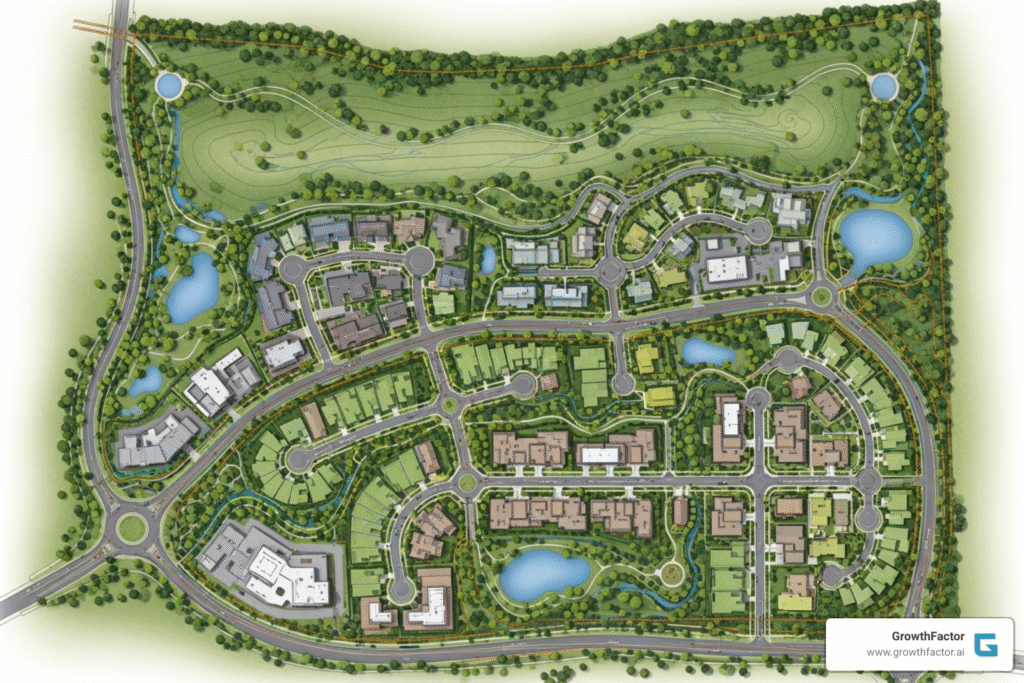
For example, a mixed-use development might combine residential apartments, retail spaces, and public plazas to create a walkable neighborhood environment.
Increasingly, sustainability considerations also shape project design. Developers may integrate energy-efficient building systems, green roofs, or stormwater management systems to meet local regulations and reduce operating costs.
Design decisions also affect financial outcomes. Larger buildings increase potential revenue but also raise construction costs and regulatory scrutiny.
Step 4: Financing and Investment Structure
Real estate development requires significant capital. Even mid-sized projects can require tens or hundreds of millions of dollars in investment.
Most projects rely on a combination of financing sources:
- Developer equity: capital contributed by the development firm
- Private investors: individuals or institutional partners
- Construction loans: provided by banks or lenders
- Joint ventures: partnerships between developers and investment funds
According to the National Association of Home Builders, construction loans typically cover 60–80% of development costs, while the remaining portion must come from equity.
Developers also structure financing around expected revenue streams. For residential projects, income may come from apartment rents or home sales. Commercial developments may rely on long-term leases with tenants.
Securing financing often depends on demonstrating strong market demand and a realistic construction budget.
Step 5: Entitlements, Zoning, and Permitting
Before construction can begin, developers must obtain legal approval from local authorities. This process is known as entitlement.
Entitlements confirm that a project complies with local regulations regarding land use, building size, environmental impact, and infrastructure capacity.
Common approvals include:
- Zoning confirmations or rezoning approvals
- Environmental impact assessments
- Planning commission reviews
- Building permits
- Utility connection approvals
Public hearings are often part of this process. Community members may raise concerns about traffic, density, or environmental effects.
In some cities, entitlement approvals can take more than a year. Delays during this stage are one of the most common challenges developers face.
Step 6: Pre-Construction Preparation
Once approvals are secured, developers prepare the site for construction.
Pre-construction activities include:
- Site clearing and grading
- Utility installation
- Infrastructure planning
- Contractor selection
- Construction scheduling
Developers also finalize contracts with general contractors and subcontractors during this phase.
Large projects may require coordination among dozens of companies, including structural engineers, electrical contractors, plumbing specialists, and materials suppliers.
Effective pre-construction planning helps prevent cost overruns and scheduling delays once construction begins.
Step 7: Construction and Project Delivery
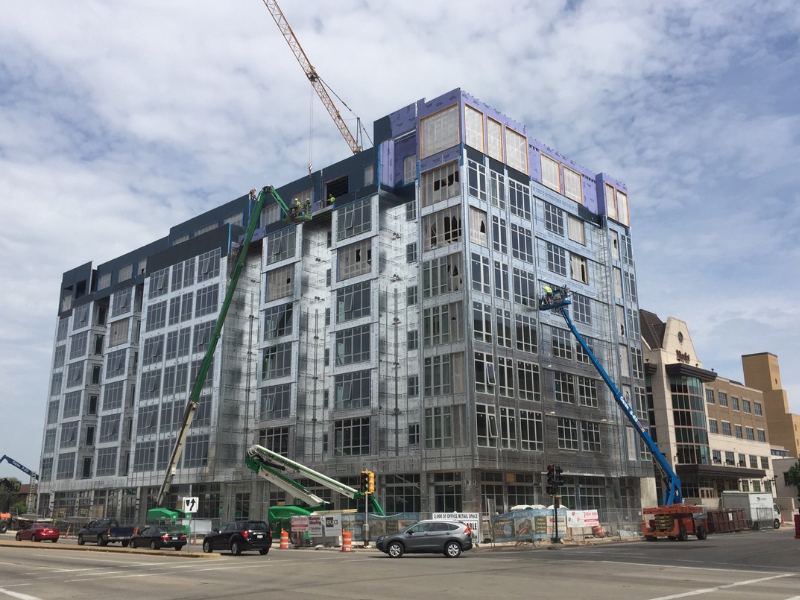
Construction is the most visible phase of development, but it represents only one portion of the overall process.
The construction timeline varies widely depending on the type of project:
- Residential subdivisions: 12–24 months
- Apartment buildings: 18–36 months
- Commercial office projects: 2–4 years
- Large mixed-use developments: 3–7 years
During construction, developers monitor several critical factors:
- Budget adherence
- Safety compliance
- Construction progress
- Material availability
- Contractor performance
Unexpected issues—such as supply chain disruptions or weather delays—can affect project timelines. Experienced developers typically include contingency funds to manage these risks.
Once construction is completed, the project moves into its operational phase. Residential developments may begin leasing apartments, while commercial properties seek tenants for office or retail space.
The Role of Collaboration in Development
Real estate development is fundamentally collaborative. A typical project involves professionals across multiple disciplines, including:
- Architects and engineers
- Financial analysts and lenders
- Construction managers
- Real estate brokers
- Urban planners
- Legal advisors
Strong coordination among these groups helps ensure that projects meet regulatory standards, stay within budget, and align with community needs.
Developers who successfully manage these relationships often build long-term partnerships that support future projects.
Common Risks in Real Estate Development
Even carefully planned projects face uncertainty. Several factors can affect development outcomes.
Key risks include:
- Changes in interest rates
- Construction cost increases
- Economic downturns affecting demand
- Regulatory delays
- Environmental challenges on the site
Developers often mitigate these risks through conservative financial modeling and diversified investment portfolios.
Frequently Asked Questions
What does a real estate developer actually do?
A real estate developer identifies land opportunities, secures financing, coordinates design and construction, and oversees the entire process of transforming land into usable property.
How long does the real estate development process take?
Timelines vary widely. Small residential developments may take 1–2 years, while large mixed-use projects can take 5–10 years from concept to completion.
What is land entitlement in real estate development?
Entitlement refers to the legal approval process that confirms a project complies with zoning, environmental, and building regulations before construction begins.
How do developers finance large projects?
Most developments use a combination of developer equity, private investment, and construction loans from financial institutions.
What professionals are involved in development projects?
Architects, engineers, contractors, lawyers, financial analysts, brokers, and urban planners are commonly involved.
Why is feasibility analysis important?
Feasibility studies help determine whether a project will generate enough revenue to cover land costs, construction expenses, and investor returns.
What is the difference between a developer and a builder?
Developers manage the entire project—from land acquisition to financing—while builders typically focus on the construction phase.
Do developers always own the land?
Not always. Some developers purchase land outright, while others work through joint ventures or land option agreements.
How do zoning regulations affect development?
Zoning determines how land can be used, including building height, density, and property type.
What happens after construction is completed?
Properties typically enter an operational phase involving leasing, property management, and long-term maintenance.
When Vision Meets Practical Execution
Real estate development is often described as both an investment strategy and a form of urban planning. Developers shape neighborhoods, employment centers, and housing supply while navigating complex financial and regulatory environments.
Successful projects rarely happen quickly. They are the result of careful planning, disciplined financial management, and collaboration among professionals across multiple industries.
Understanding the full development process—from land acquisition through construction—helps investors, policymakers, and community members better evaluate how projects take shape and how they contribute to economic growth and urban development.
Key Insights at a Glance
- Real estate development typically involves multiple stages spanning several years
- Land acquisition and feasibility analysis determine whether a project moves forward
- Financing structures often combine equity investment and construction loans
- Entitlements and permits ensure compliance with zoning and environmental rules
- Construction represents only one stage in a much longer development cycle
- Collaboration among architects, engineers, investors, and contractors is essential
- Market conditions and regulatory timelines significantly influence project success
 Robert Weber