

Summary
Large-scale residential and commercial developments in the United States are rapidly evolving as cities respond to housing shortages, climate pressures, and shifting work patterns. Future projects emphasize mixed-use design, sustainable infrastructure, technology integration, and walkable communities. Developers, planners, and investors are prioritizing flexibility, resilience, and long-term livability to create projects that meet economic demand while improving urban quality of life.
Why Large-Scale Developments Are Entering a New Era
Across the United States, large-scale real estate developments—spanning residential communities, commercial districts, and mixed-use urban hubs—are entering a period of transformation. Several forces are driving this change: population migration, the rise of hybrid work, housing affordability challenges, and growing environmental expectations.
According to the Urban Land Institute, mixed-use master-planned communities and large-scale redevelopment projects are among the most attractive real estate investments in North America. Meanwhile, the U.S. Census Bureau reports steady population growth in Sun Belt metros such as Austin, Phoenix, and Tampa, increasing demand for housing, retail, and employment hubs built at scale.
Traditional suburban office parks and isolated residential subdivisions are gradually giving way to integrated developments that combine housing, workspaces, entertainment, and public infrastructure in a single master plan.
These developments are no longer just about square footage. They are about creating functional, adaptable environments designed for decades of demographic and economic change.
The Rise of Mixed-Use Master-Planned Communities
One of the most important shifts shaping future developments is the move toward mixed-use planning.
Rather than separating residential neighborhoods from commercial areas, modern developments increasingly combine them. This approach allows residents to live near jobs, retail, healthcare, and recreation—reducing commute times and improving quality of life.
Large-scale projects now frequently include:
- Residential housing (apartments, townhomes, single-family homes)
- Office space and coworking hubs
- Retail districts and restaurants
- Healthcare clinics and schools
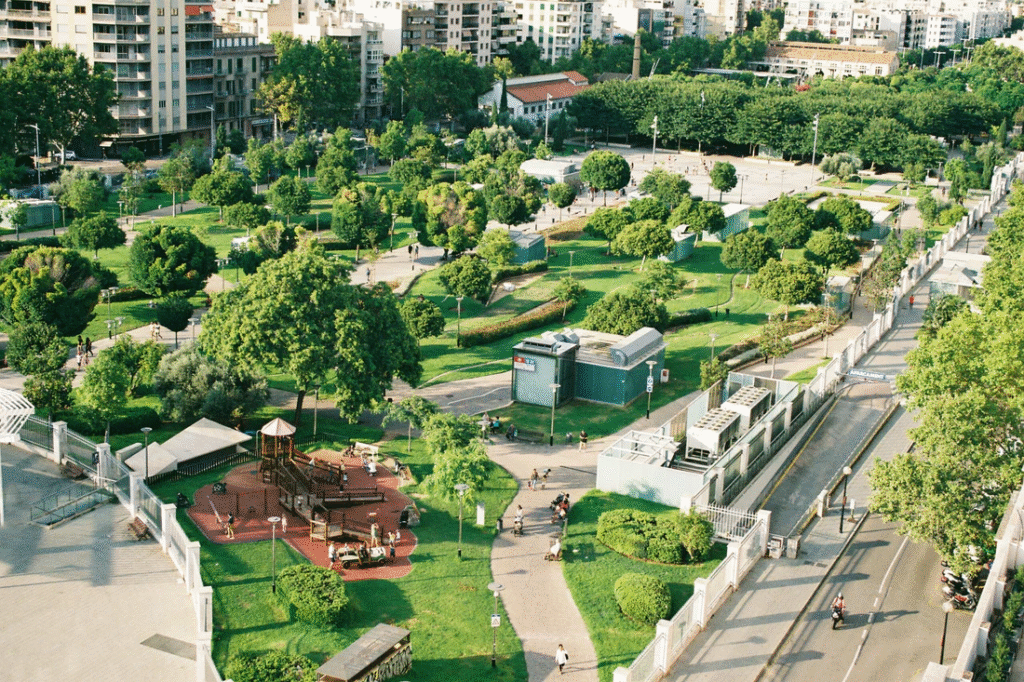
- Parks, trails, and public gathering spaces
- Entertainment venues and cultural centers
A well-known example is Hudson Yards in New York City, one of the largest private real estate developments in U.S. history. The project integrates office towers, residential buildings, retail, and public plazas into a single urban district.
Similarly, The Domain in Austin, Texas evolved from a retail center into a fully integrated mixed-use neighborhood that includes housing, corporate campuses, restaurants, and public spaces.
For developers, mixed-use design improves long-term financial stability by diversifying revenue streams and creating destinations people use throughout the day.
Sustainability Is Now Central to Development Strategy
Environmental performance has become a core requirement for large-scale developments, not just a marketing feature.
Cities and investors increasingly demand projects that reduce carbon emissions, conserve water, and support climate resilience. According to the U.S. Green Building Council, LEED-certified buildings now account for billions of square feet of commercial space across the country.
Future developments are integrating sustainability at multiple levels:
Building design
Developers are adopting energy-efficient materials, advanced insulation, and smart HVAC systems to reduce operational energy use.
Renewable energy
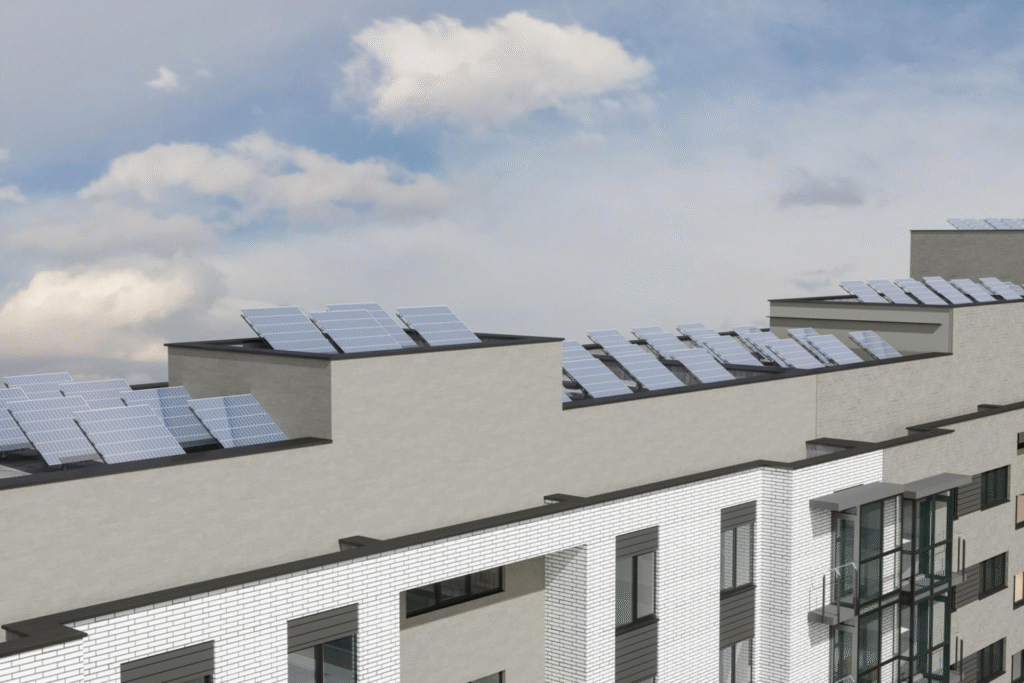
Large projects increasingly incorporate solar arrays, district energy systems, and microgrids that power multiple buildings.
Water management
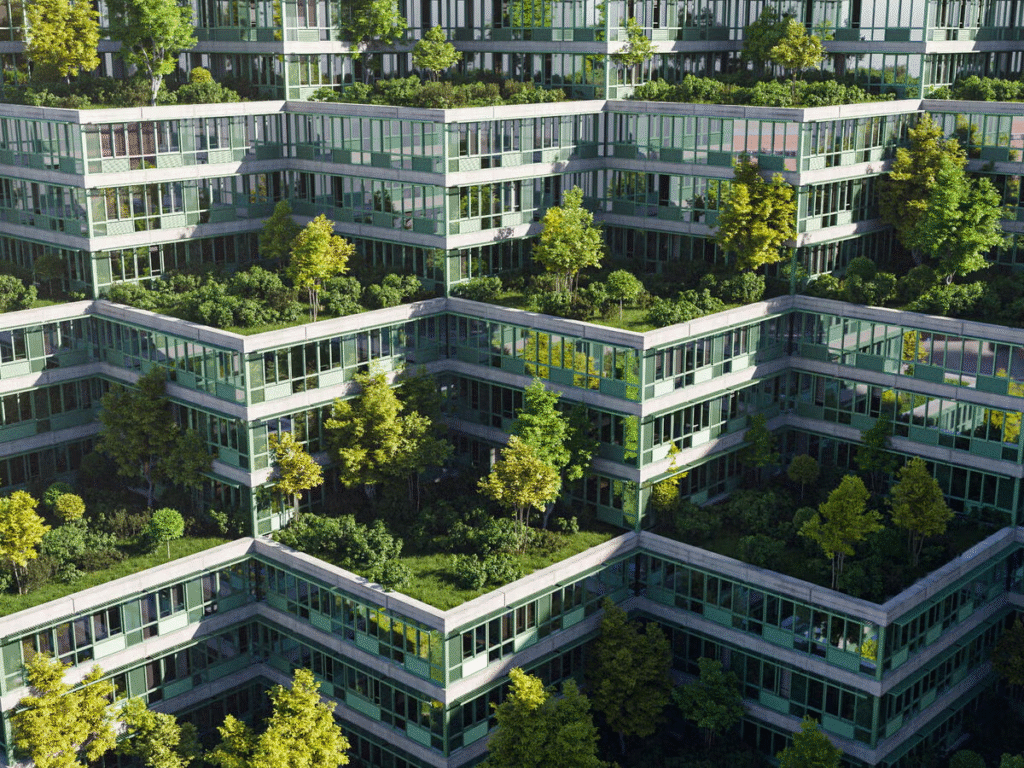
Stormwater capture, green roofs, and permeable landscaping help mitigate flooding and reduce strain on municipal infrastructure.
Transit-oriented planning
Projects located near transit hubs reduce reliance on cars and encourage walkability.
An example is Denver’s River Mile redevelopment, a massive urban project planned along the South Platte River. The proposal includes extensive green infrastructure, pedestrian pathways, and environmentally sensitive land use.
Technology Is Reshaping How Developments Operate
Technology integration is another defining feature of future real estate projects.
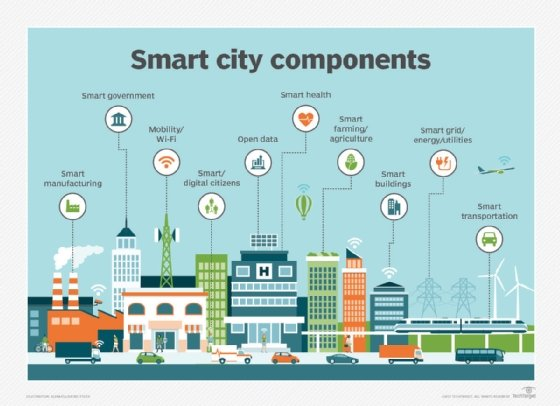
Large developments are increasingly designed as smart districts, where infrastructure and buildings are connected through digital systems that optimize efficiency and user experience.
Smart technology applications include:
- Intelligent traffic and parking systems
- Energy monitoring across entire developments
- Smart lighting and waste management
- App-based community services for residents
- Real-time security and maintenance monitoring
In commercial developments, smart infrastructure allows property managers to reduce operational costs while improving tenant satisfaction.
For residents, digital systems can simplify everyday living—allowing them to reserve shared amenities, manage deliveries, or access building services through mobile platforms.
While technology alone does not define successful developments, its role in improving efficiency and scalability is becoming increasingly important.
Housing Demand Is Driving Larger Residential Projects
Housing shortages across many U.S. metropolitan areas are pushing developers to pursue larger residential communities that can deliver thousands of units in a single project.
The National Association of Home Builders (NAHB) estimates the United States currently faces a housing shortage of several million homes. Large-scale residential developments offer one of the few ways to add supply quickly enough to address the gap.
New master-planned residential communities often include:
- Multiple housing types (apartments, condos, townhomes, single-family homes)
- Community amenities such as parks and recreation centers
- Schools and childcare facilities
- Retail corridors within walking distance
- Healthcare and wellness services
Examples include communities such as Lakewood Ranch in Florida and Daybreak in Utah, which combine housing, commercial space, and public amenities across thousands of acres.
By creating complete neighborhoods rather than isolated subdivisions, developers can deliver housing while also supporting economic growth and community infrastructure.
The Transformation of Commercial Real Estate
Commercial real estate is also evolving rapidly.
Hybrid work models have reduced demand for traditional office space in many markets, prompting developers to rethink how commercial districts function.
Future commercial developments are emphasizing flexibility and experiential environments.
Instead of monolithic office towers surrounded by empty plazas, new projects are incorporating:
- Flexible office layouts
- Residential components
- Restaurants and nightlife
- Public plazas and cultural programming
- Outdoor workspaces and green areas
These features help maintain activity throughout the day and evening, making developments more economically resilient.
Retail is also changing. Developers increasingly focus on experience-based retail districts, where dining, entertainment, and events drive foot traffic rather than traditional big-box stores.
Infrastructure and Mobility Will Shape Future Projects
Transportation and infrastructure planning are becoming central to large-scale development success.
Projects built without strong mobility strategies often struggle with congestion and accessibility challenges. As a result, many new developments prioritize transit-oriented development (TOD).
TOD projects are designed around public transportation hubs such as light rail stations, commuter rail lines, or bus rapid transit systems.
Benefits include:
- Reduced traffic congestion
- Higher property values
- Improved walkability
- Increased access to jobs and services
Cities such as Seattle, Denver, and Washington, D.C. have increasingly supported TOD projects through zoning incentives and infrastructure investments.
Developers are also preparing for the future of mobility, including electric vehicles, autonomous transportation, and expanded bike networks.
Public-Private Partnerships Are Becoming More Common
Large-scale developments often require collaboration between developers, city governments, infrastructure agencies, and community organizations.
Public-private partnerships (PPPs) help finance and coordinate projects that involve complex infrastructure improvements, land redevelopment, or affordable housing commitments.
These partnerships may include:
- Tax increment financing districts
- Infrastructure funding agreements
- Affordable housing mandates
- Transit investments tied to development
- Shared public space management
For example, redevelopment projects on former industrial land—often called brownfield redevelopment—frequently rely on PPP structures to fund environmental cleanup and infrastructure upgrades.
Successful partnerships balance private investment with public benefit, ensuring developments contribute to broader urban goals.
Challenges Developers Must Navigate
Despite strong demand for new development, large-scale projects face significant challenges.
The most pressing obstacles include:
- Rising construction costs
- Labor shortages in the building trades
- Complex zoning and entitlement processes
- Infrastructure capacity limitations
- Community opposition to density
- Financing constraints in uncertain economic cycles
According to McKinsey & Company, construction productivity has grown far more slowly than other industries over the past several decades. Addressing this challenge may require greater adoption of modular construction, prefabrication, and digital project management.
Developers that succeed in the coming decade will be those who can navigate regulatory complexity while maintaining financial feasibility and community support.
How Future Developments Will Shape American Cities
Over the next 20–30 years, large-scale developments will play a major role in shaping how Americans live and work.
Instead of isolated buildings, future projects will function more like mini-cities—complete environments designed around connectivity, sustainability, and community.
Cities facing population growth will rely on these developments to add housing supply, support economic activity, and modernize infrastructure.
At the same time, developers will increasingly be judged by how well their projects improve urban livability.
Projects that prioritize walkability, environmental performance, and community engagement will likely become the most successful models moving forward.
Frequently Asked Questions
What is a large-scale real estate development?
A large-scale development typically refers to a real estate project that spans multiple buildings or hundreds of acres and includes residential, commercial, or mixed-use components planned under a unified master plan.
Why are mixed-use developments becoming more popular?
Mixed-use developments create vibrant neighborhoods where people can live, work, and socialize without long commutes, which improves urban efficiency and property values.
How does sustainability affect large developments?
Sustainability influences building design, energy systems, water management, and transportation planning to reduce environmental impact and operating costs.
Are large-scale developments helping solve the housing shortage?
They can contribute significantly by delivering thousands of housing units within master-planned communities that include essential services and infrastructure.
What role does technology play in modern developments?
Smart infrastructure allows developers and property managers to monitor energy use, manage parking and traffic, and provide digital services to tenants and residents.
Why are public-private partnerships important?
PPPs help finance infrastructure, enable redevelopment of complex sites, and ensure that projects include public benefits such as affordable housing or transportation improvements.
What risks do developers face with large projects?
Major risks include construction cost volatility, regulatory delays, financing challenges, and changes in market demand.
How does transit-oriented development benefit cities?
TOD projects reduce traffic congestion, encourage public transit use, and create walkable communities near transportation hubs.
Will remote work reduce demand for commercial developments?
Remote work is reshaping demand, but many companies still seek flexible office environments within mixed-use districts that offer amenities and connectivity.
What types of developments are most likely to succeed in the future?
Projects that combine housing, employment centers, public space, sustainability, and strong transportation access tend to perform best over the long term.
Designing the Next Generation of American Communities
The future of large-scale residential and commercial developments will be defined by adaptability.
Developers are no longer simply constructing buildings; they are shaping entire ecosystems where housing, commerce, infrastructure, and community life intersect.
Projects that balance economic viability with long-term livability will become the foundation of the next generation of American cities.
As urban populations grow and expectations for sustainability and convenience increase, large-scale developments will remain one of the most powerful tools for guiding responsible growth.
Key Insights for Developers, Investors, and Planners
- Mixed-use developments are replacing single-purpose real estate projects
- Sustainability and climate resilience are central to modern planning
- Smart technology is improving operational efficiency
- Large master-planned communities help address housing shortages
- Transit-oriented development increases property value and accessibility
- Public-private partnerships enable complex urban redevelopment
- Commercial spaces are evolving toward flexible, experiential environments
- Infrastructure planning is critical for long-term success
- Developers must navigate regulatory and financial complexity
- Future projects will function as integrated urban ecosystems
 Robert Weber