

Summary
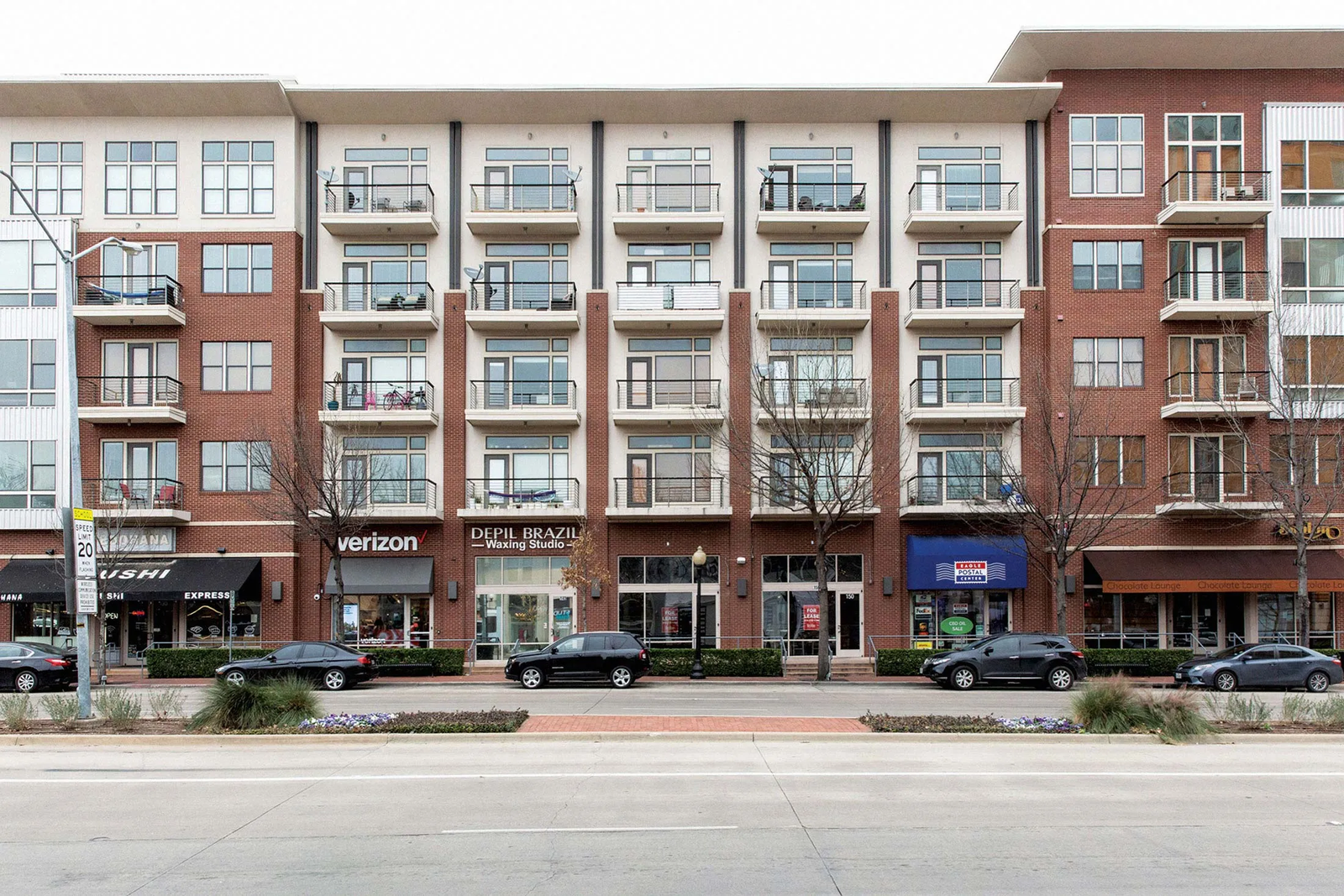
Residential, commercial, and industrial real estate were once treated as separate markets. Today, shifting consumer habits, urban growth patterns, and e-commerce logistics are blending these sectors in new ways. Mixed-use developments, adaptive reuse projects, and logistics-driven housing demand are reshaping how land is developed, financed, and regulated across American cities and suburbs.
A Structural Shift in How Real Estate Is Developed
For decades, real estate development in the United States followed a clear separation of uses. Residential neighborhoods were built in one area, retail corridors in another, and industrial parks on the outskirts of cities.
That model is steadily evolving.
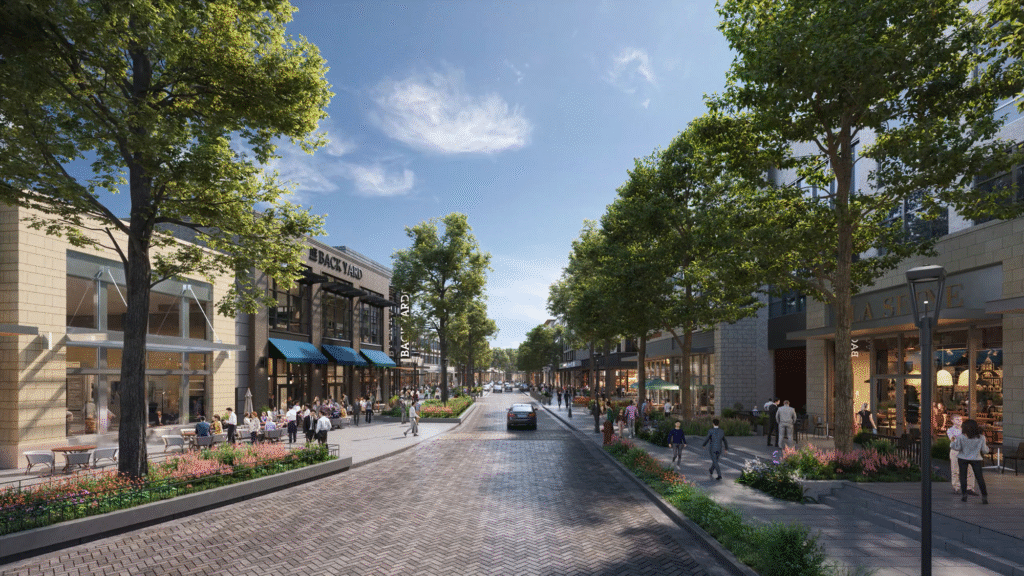
Population growth, online retail, rising land costs, and changing consumer expectations are forcing developers and municipalities to rethink how space is allocated. Instead of isolated property types, projects increasingly blend residential housing, retail spaces, offices, and light industrial functions within the same districts.
This convergence reflects broader economic changes:
- E-commerce has transformed logistics needs
- Remote and hybrid work have reshaped office demand
- Housing shortages are pushing residential construction into unconventional spaces
- Cities are encouraging mixed-use zoning to reduce commuting and congestion
According to the Urban Land Institute, mixed-use developments have become one of the fastest-growing property categories in the U.S. over the past decade, particularly in urban cores and inner-ring suburbs.
The result is a real estate ecosystem where residential, commercial, and industrial uses increasingly influence one another.
Why the Boundaries Between Property Types Are Blurring
Several major economic and demographic forces are driving this intersection.
1. E-Commerce Logistics Demand
The rise of online shopping has dramatically increased demand for warehouses and last-mile distribution centers.
The U.S. Census Bureau reports that e-commerce sales have more than tripled since 2010. To meet delivery expectations, logistics companies must position facilities closer to population centers.
This creates unusual development patterns. Industrial facilities are now being built near residential neighborhoods rather than in distant industrial zones.
In many cases, developers are designing projects that combine:
- Warehousing
- Small business production spaces
- Retail storefronts
- Residential units
These developments allow workers to live near employment hubs while supporting rapid delivery infrastructure.
2. The Housing Supply Shortage
The United States continues to face a significant housing deficit. Freddie Mac estimates the country is short 3.5 to 4 million housing units.
Developers are increasingly converting underutilized commercial and industrial spaces into residential housing.
Common examples include:
- Former factories becoming loft apartments
- Vacant malls redeveloped into mixed-use communities
- Office buildings converted into residential units
- Industrial waterfronts turned into residential districts
These adaptive reuse projects are particularly common in cities with strong housing demand but limited land availability.
3. Urban Revitalization Strategies
Municipal governments across the U.S. are encouraging mixed-use development through zoning reforms and incentives.
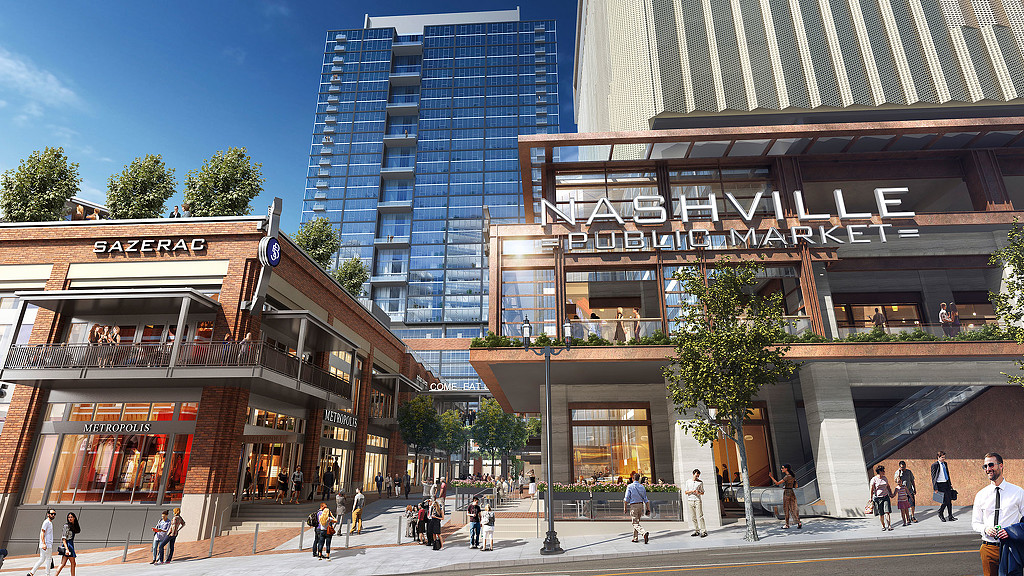
Cities such as Denver, Austin, Nashville, and Phoenix have actively promoted developments that combine:
- Apartments
- Retail
- Office space
- Light industrial production
- Entertainment districts
The goal is to create neighborhoods where residents can live, work, and access services without long commutes.
These environments often support stronger local economies and higher property values.
Mixed-Use Developments: The Center of the Real Estate Convergence
Mixed-use developments represent the clearest example of the merging real estate sectors.
These projects combine multiple property types within a single building, complex, or district.
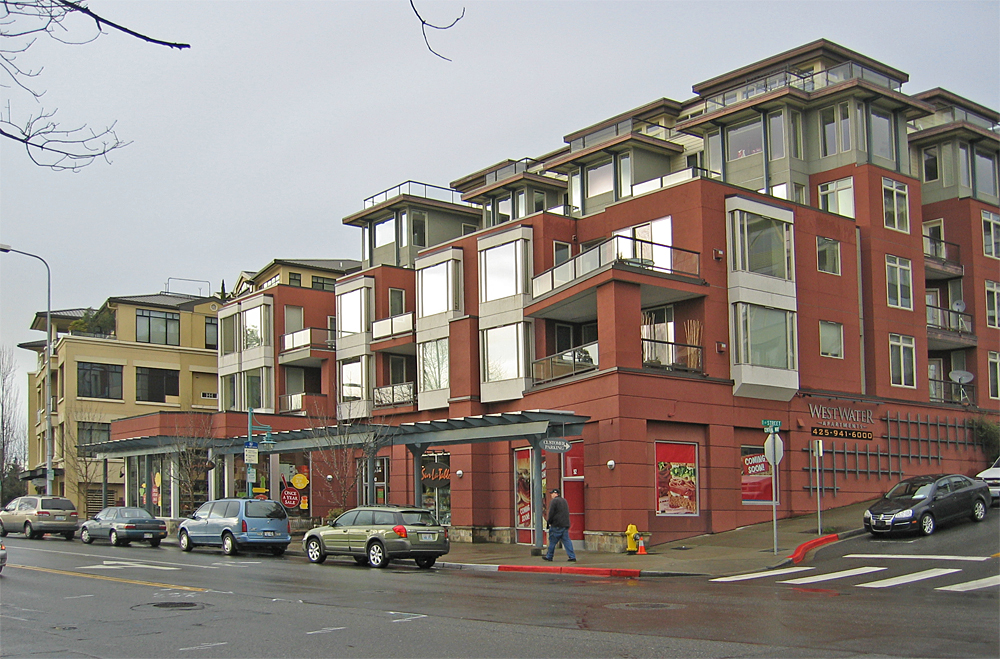
Typical mixed-use structures include:
- Ground-floor retail
- Office or flex workspace
- Residential units above
- Structured parking
- Shared public space
In some modern developments, even industrial functions such as micro-warehousing or small-scale manufacturing are included.
Example: Urban Logistics + Housing
In major cities such as New York, Seattle, and Chicago, developers are experimenting with multi-story warehouses located beneath residential buildings.
These projects allow logistics operators to maintain fast delivery networks while preserving valuable urban land.
Example: Suburban Lifestyle Centers
Former shopping malls are being redeveloped into community hubs that include:
- Apartments
- Medical offices
- Restaurants
- grocery stores
- co-working spaces
- entertainment venues
These projects reduce dependence on traditional malls while revitalizing aging retail infrastructure.
Adaptive Reuse Is Transforming Older Buildings
One of the most visible signs of real estate convergence is adaptive reuse.
Instead of demolishing older structures, developers are repurposing them for new uses.
This approach offers several advantages:
- Lower construction costs compared to new builds
- Faster development timelines
- Historic preservation benefits
- Sustainability advantages through reduced demolition waste
Examples of Adaptive Reuse in the U.S.
Across the country, former industrial spaces are being converted into thriving residential and commercial environments.
Common transformations include:
- Textile mills converted into apartment complexes
- Breweries transformed into restaurant districts
- Warehouses turned into creative office spaces
- Shipping terminals redeveloped into residential waterfronts
In cities like Boston, Minneapolis, and Pittsburgh, these conversions have played a major role in revitalizing previously underutilized neighborhoods.
The Rise of “Flex Space” Properties
Another factor blending property types is the growth of flex industrial space.
Flex buildings typically combine office, warehouse, and light manufacturing space within the same structure.
These properties are attractive for:
- E-commerce startups
- Local manufacturers
- service contractors
- creative production companies
- last-mile logistics providers
Because flex spaces often sit near residential neighborhoods, they further blur traditional zoning boundaries.
Developers increasingly include residential components nearby to accommodate workforce housing needs.
How Zoning Laws Are Adapting
Traditional zoning policies historically separated residential, commercial, and industrial uses to minimize conflicts such as noise, traffic, or pollution.
But many cities are revising these regulations to accommodate modern economic realities.
Recent zoning trends include:
- Mixed-use zoning districts
- Live-work zoning allowances
- Light industrial integration
- Transit-oriented development zones
- Accessory dwelling unit (ADU) policies
These changes allow property developers greater flexibility to create integrated neighborhoods.
At the same time, municipalities must balance development with quality-of-life considerations such as traffic, environmental impact, and infrastructure capacity.
How Investors Are Responding to the Convergence
Real estate investors are increasingly drawn to properties that blend uses because they provide diversified revenue streams.
A mixed-use development may generate income from:
- residential rents
- retail leases
- office tenants
- logistics operations
- parking revenue
- event space rentals
This diversification can reduce risk during economic shifts.
For example, during the COVID-19 pandemic:
- Office demand declined
- Industrial demand surged
- residential rents remained stable in many markets
Properties with multiple income sources were better positioned to weather the volatility.
Institutional investors such as pension funds and REITs have increasingly allocated capital to mixed-use and logistics-adjacent real estate projects.
Community Benefits of Integrated Development
When designed thoughtfully, developments that combine residential, commercial, and industrial elements can produce broader economic and social benefits.
Potential advantages include:
- Reduced commuting distances
- Increased local job opportunities
- More walkable neighborhoods
- Revitalization of underused land
- Greater access to services and retail
Mixed-use environments also tend to support small businesses, since foot traffic from residents creates a built-in customer base.
However, poorly planned developments can create challenges such as traffic congestion, noise conflicts, or infrastructure strain.
Effective planning and community engagement remain critical.
Questions Americans Are Asking About Mixed-Use Real Estate
Is mixed-use development becoming more common in the U.S.?
Yes. Urban planners and developers increasingly favor mixed-use environments because they support economic growth, reduce commuting, and improve land efficiency.
Why are warehouses moving closer to cities?
E-commerce companies need faster delivery times. Locating warehouses near dense populations enables same-day or next-day shipping.
Can industrial buildings legally include residential units?
In many cities they can, especially within mixed-use zoning districts or through adaptive reuse projects.
Are office buildings being converted into apartments?
Yes. Office-to-residential conversions have accelerated since the pandemic as remote work reduced demand for traditional office space.
What is flex industrial space?
Flex space combines office, warehouse, and light manufacturing functions in a single building.
Why are malls being redeveloped into mixed-use communities?
Declining retail foot traffic has made many malls financially unsustainable. Redevelopment allows the land to support housing, healthcare, and office uses.
Do mixed-use properties produce better investment returns?
They can, because diversified income sources help stabilize revenue during economic fluctuations.
How do cities manage noise or traffic conflicts?
Through zoning regulations, building design requirements, and environmental impact reviews.
Is mixed-use development environmentally sustainable?
Often yes. These projects reduce commuting and encourage walkable neighborhoods, lowering transportation emissions.
Will this trend continue over the next decade?
Most industry analysts expect continued growth as urban populations increase and logistics infrastructure expands.
How the Next Generation of Real Estate Will Be Designed
The convergence of residential, commercial, and industrial real estate reflects a broader transformation in how Americans live and work.
Cities are becoming more integrated ecosystems rather than clusters of isolated land uses.
Developments that combine housing, services, employment, and logistics infrastructure can create resilient local economies and more convenient lifestyles.
For developers, investors, and municipalities, the challenge is balancing innovation with thoughtful planning—ensuring these hybrid environments remain livable, sustainable, and economically productive.
As land scarcity and population growth continue to shape American cities, the intersection of these property sectors will likely become the foundation of future urban development.
Key Insights at a Glance
- Residential, commercial, and industrial real estate markets are increasingly interconnected
- Mixed-use developments are one of the fastest-growing real estate formats in the U.S.
- E-commerce growth is driving warehouses closer to urban populations
- Adaptive reuse projects are transforming factories, malls, and offices into housing and mixed-use districts
- Flex industrial spaces are blending manufacturing, office, and logistics operations
- Zoning reforms are allowing more integrated development patterns
- Investors favor diversified real estate assets that combine multiple revenue streams
- Integrated developments can improve walkability, local employment, and economic resilience
 Robert Weber