

Summary
Infrastructure development—such as highways, transit systems, utilities, and digital networks—plays a major role in shaping real estate markets across the United States. When new infrastructure improves accessibility and economic activity, property values often rise, development accelerates, and investment patterns shift. Understanding how transportation, utilities, and public projects influence housing and commercial property helps buyers, investors, and developers make informed long-term decisions.
Why Infrastructure Is a Core Driver of Real Estate Value
Infrastructure refers to the physical systems that support daily life and economic activity. These include transportation networks, public utilities, telecommunications systems, and civic facilities. When governments or private investors build or upgrade infrastructure, the surrounding real estate environment often changes significantly.
In the United States, infrastructure investment has historically reshaped property markets. The Interstate Highway System, developed beginning in the 1950s, transformed suburban housing patterns by enabling commuting from previously distant areas. Similarly, modern transit projects and highway expansions continue to open new corridors for housing and commercial growth.
At its core, infrastructure influences real estate through three key mechanisms:
- Improved accessibility
- Economic development
- Population growth
When people can travel more easily and businesses can operate more efficiently, demand for nearby property tends to increase. This relationship explains why real estate professionals closely monitor upcoming infrastructure projects.
Transportation Infrastructure and Property Demand
Transportation projects often have the most visible effect on property markets. Highways, rail lines, airports, and public transit systems determine how people move between home, work, and commercial areas.
In metropolitan areas across the U.S., improved transportation access frequently leads to increased housing demand. When commuting times decrease, neighborhoods that were once considered too remote suddenly become viable residential communities.
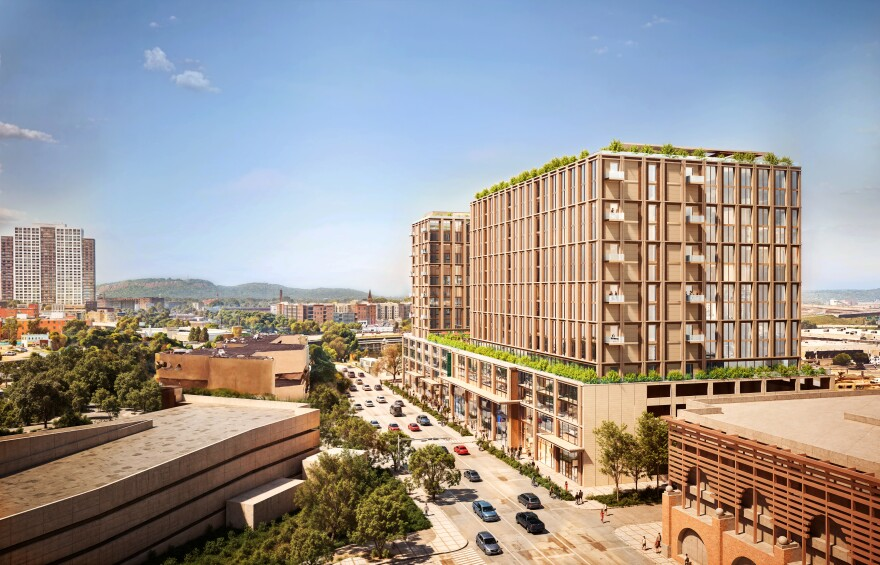
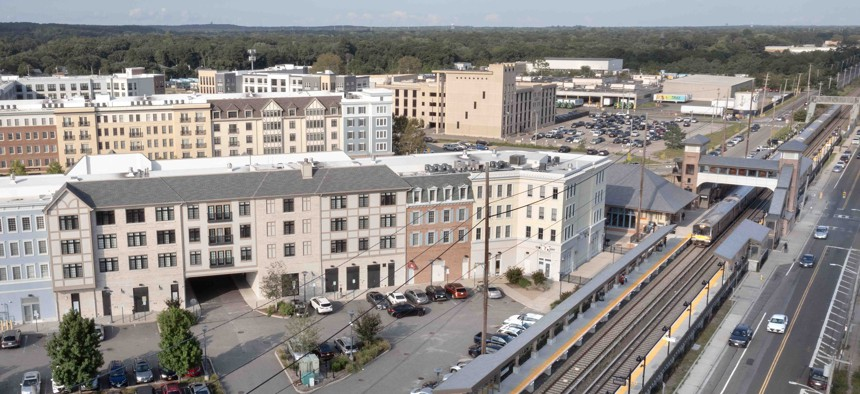
For example, the expansion of commuter rail systems in regions such as the Dallas–Fort Worth metroplex and Denver’s RTD light rail network has encouraged housing development around transit stations. These transit-oriented developments often include apartments, retail spaces, and mixed-use properties designed to support walkable neighborhoods.
Transportation infrastructure affects several property types:
- Residential real estate: Shorter commutes attract buyers and renters.
- Commercial real estate: Retail and office demand increases in accessible areas.
- Industrial real estate: Warehouses and logistics facilities depend heavily on highway connectivity.
According to research from the National Association of Realtors (NAR), homes located near transit hubs often maintain stronger long-term value due to consistent demand.
Infrastructure Investment and Regional Economic Growth
Infrastructure is not only about convenience—it also drives economic expansion. Large-scale projects create jobs, attract businesses, and stimulate long-term regional growth.
The Infrastructure Investment and Jobs Act, passed in 2021, allocated more than $1 trillion toward transportation, utilities, and broadband improvements across the United States. These investments are expected to influence real estate markets for years as new projects reshape local economies.
Economic growth tied to infrastructure often leads to:
- Increased employment opportunities
- Rising household incomes
- Business relocation or expansion
- Population growth in surrounding communities
When a region becomes economically stronger, housing demand typically follows. Cities experiencing infrastructure-driven economic expansion often see rising property prices, increased development activity, and greater interest from institutional investors.
Utilities and Digital Infrastructure: Often Overlooked but Critical
While transportation infrastructure receives the most attention, utilities and digital connectivity also play a major role in real estate markets.
Reliable utilities—such as water systems, electricity grids, and sewage infrastructure—are fundamental requirements for any development. Areas lacking these systems often remain underdeveloped until improvements occur.
In recent years, broadband internet infrastructure has become particularly important. The rise of remote work and digital business operations has made high-speed internet a key factor in residential location decisions.
Communities that invest in digital infrastructure may see several real estate benefits:
- Higher demand from remote workers
- Increased property values in rural and suburban areas
- Attraction of technology companies and startups
For example, rural communities that expanded fiber-optic broadband networks during the past decade have reported increased housing demand from professionals relocating from larger cities.
Infrastructure and the Expansion of Suburban Housing
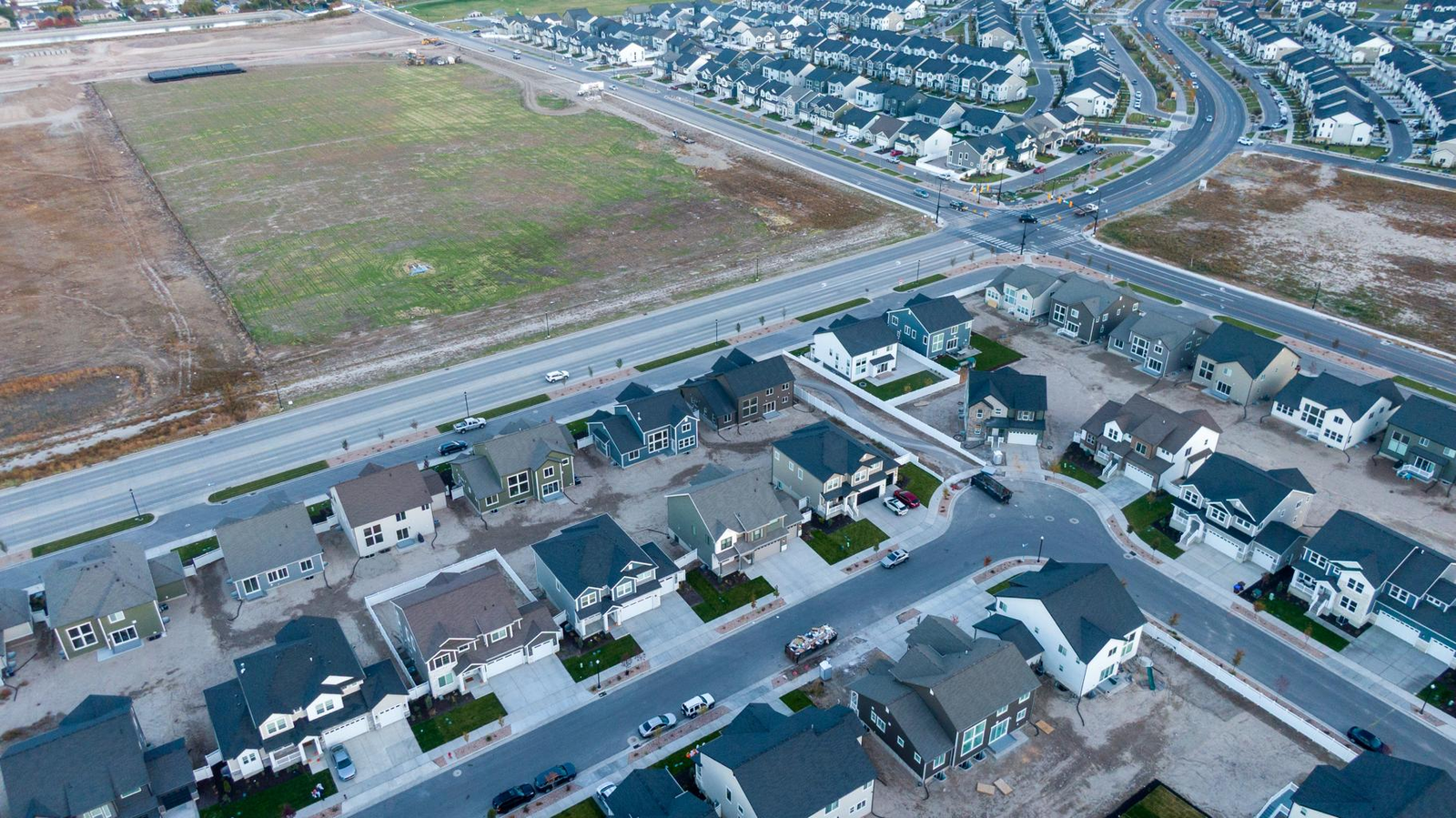
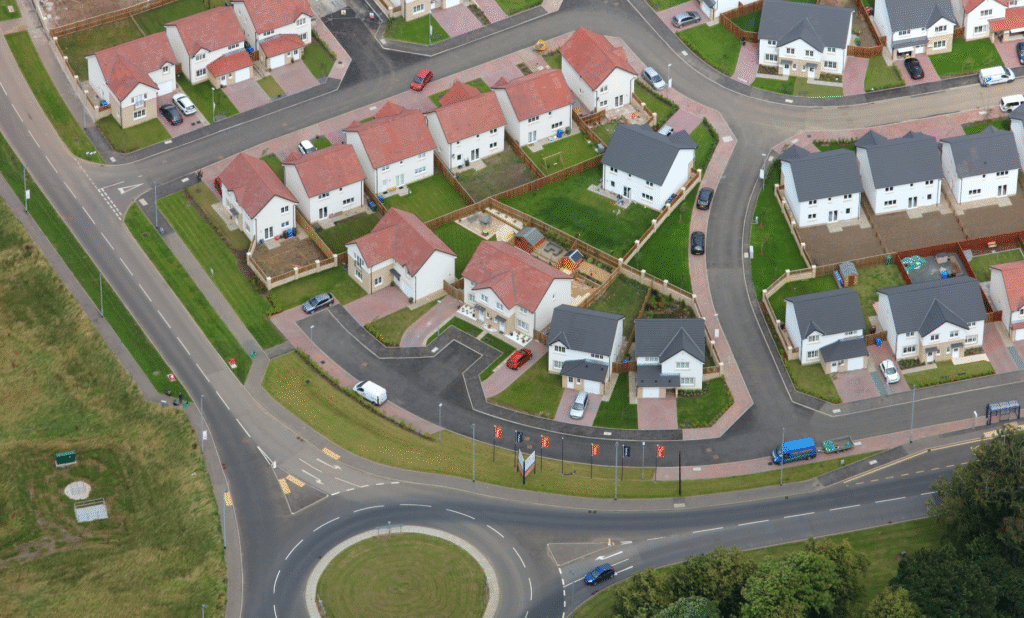
Infrastructure frequently influences suburban growth patterns. When new highways or transit systems extend into undeveloped areas, residential construction often follows.
This pattern has been visible in many fast-growing metropolitan regions including:
- Austin, Texas
- Phoenix, Arizona
- Raleigh, North Carolina
- Tampa, Florida
These markets have experienced strong housing development partly because transportation improvements made suburban commuting more practical.
Developers typically monitor infrastructure plans years in advance. Land located near future transit routes or highway expansions may attract early investment as builders anticipate future demand.
However, infrastructure-driven growth also raises questions about urban planning, traffic congestion, and housing affordability. Local governments must balance development with sustainable community planning.
The Impact on Commercial Real Estate
Commercial real estate responds quickly to infrastructure improvements. Businesses prefer locations that are easy for employees, customers, and suppliers to access.
Retail centers, office complexes, and hospitality properties frequently emerge near major transportation routes or transit hubs. These locations offer visibility, accessibility, and high traffic volume.
Infrastructure projects often influence commercial development in several ways:
- Retail development: New highways or transit stops increase consumer traffic.
- Office development: Businesses prefer locations accessible to large labor pools.
- Mixed-use projects: Developers combine residential, office, and retail near transit corridors.
For instance, transit-oriented commercial development has become increasingly common in cities investing in light rail or rapid bus systems. These projects often integrate housing, retail, and office spaces into walkable districts.
Industrial Real Estate and Logistics Infrastructure
Industrial real estate—particularly warehouses and distribution centers—is closely tied to transportation infrastructure.
The growth of e-commerce has dramatically increased demand for logistics facilities located near major highways, ports, and airports. Companies such as Amazon and large retailers rely on efficient supply chains that depend on transportation networks.
Industrial developers often evaluate several infrastructure factors when selecting locations:
- Proximity to interstate highways
- Access to rail freight lines
- Distance from major population centers
- Availability of large parcels of land
Cities located along major freight corridors have seen rapid expansion in industrial real estate development. Examples include Inland Empire, California, and Columbus, Ohio, both of which serve as key logistics hubs.
According to commercial real estate firm CBRE, industrial vacancy rates across the U.S. have remained historically low in recent years due partly to strong logistics demand tied to infrastructure access.
How Infrastructure Projects Influence Property Prices
Real estate markets often respond to infrastructure projects even before construction begins. Investors and developers track public planning announcements closely because these projects signal future growth potential.
Property prices may rise due to several factors:
- Improved accessibility
- Increased economic activity
- Anticipated population growth
- Greater investor interest
However, price impacts vary depending on the type of infrastructure project. A new transit line might increase residential property values nearby, while a large industrial facility could attract commercial development but discourage residential buyers in some areas.
Market responses also depend on local zoning policies, development restrictions, and overall housing supply.
Risks and Considerations for Real Estate Investors
Although infrastructure development can create opportunities, it also carries risks that investors should consider carefully.
Large infrastructure projects can face delays, budget changes, or political challenges. A proposed transit line may take years to complete or may be altered during planning stages.
Investors evaluating infrastructure-related real estate opportunities should examine:
- Project funding sources
- Construction timelines
- Local zoning regulations
- Long-term economic trends
Careful research helps ensure that property investments align with realistic development timelines rather than speculative expectations.
Frequently Asked Questions
How does infrastructure affect property values?
Infrastructure improves accessibility and economic activity, which can increase demand for nearby properties. Homes and commercial buildings located near transportation networks often maintain stronger long-term value.
Do new highways always increase property prices?
Not always. Highways can boost development and accessibility, but properties directly adjacent to highways may face noise or environmental concerns that influence pricing.
What types of infrastructure influence real estate the most?
Transportation systems—such as highways, rail lines, and airports—tend to have the largest impact. Utilities and broadband infrastructure also play increasingly important roles.
Why do developers buy land near planned infrastructure projects?
Developers often anticipate future demand once infrastructure improves accessibility. Buying land early may allow them to build housing or commercial projects as the area grows.
How does infrastructure influence suburban growth?
New transportation routes allow people to commute longer distances more efficiently, encouraging residential development in suburban or previously undeveloped areas.
Does public transit increase home values?
Research suggests homes near transit systems often maintain stronger demand because they offer convenient commuting options.
Why is infrastructure important for industrial real estate?
Industrial facilities depend on efficient transportation networks for shipping goods. Access to highways, rail lines, and ports is critical for logistics operations.
Can infrastructure reduce real estate demand?
In some cases, yes. Projects such as heavy industrial facilities or large highways may create environmental or noise concerns that affect nearby housing demand.
How long does it take for infrastructure to affect real estate markets?
Market responses can occur even before construction begins, but the full impact often unfolds over several years after completion.
What should investors look for when evaluating infrastructure projects?
Key considerations include funding stability, construction timelines, economic growth potential, and local development regulations.
How Infrastructure Planning Shapes Tomorrow’s Property Markets
Infrastructure development influences where people live, work, and invest. Transportation networks, utilities, and digital connectivity form the foundation of thriving communities and expanding economies. Real estate markets often follow infrastructure growth patterns because accessibility and economic opportunity drive long-term demand.
For homebuyers, developers, and investors, understanding infrastructure plans can provide valuable insight into future property trends. While infrastructure alone does not guarantee rising property values, it remains one of the most powerful forces shaping real estate markets across the United States.
Key Insights at a Glance
- Infrastructure improvements often increase property demand by improving accessibility.
- Transportation systems such as highways and rail networks strongly influence housing development.
- Economic growth from infrastructure investment can attract businesses and residents.
- Industrial real estate relies heavily on logistics infrastructure and freight corridors.
- Broadband and digital infrastructure now play a growing role in housing decisions.
- Property prices may rise near major projects, but outcomes vary by location and project type.
- Investors should carefully evaluate timelines, funding, and zoning policies before making decisions.
 Robert Weber