


Digital assets are reshaping how Americans invest by broadening access beyond traditional markets. From cryptocurrencies to tokenized real estate, these innovations offer new ways to diversify portfolios, improve liquidity, and lower entry barriers. This article explains how digital assets work, their risks, regulatory landscape, and practical ways investors can thoughtfully participate in this evolving financial ecosystem.
Understanding Digital Assets in Today’s Investment Landscape
Digital assets have moved from a niche concept to a recognized component of modern finance. In the U.S., investors increasingly encounter digital assets in retirement portfolios, brokerage platforms, and institutional strategies.
At their core, digital assets are assets that exist in digital form and are secured by cryptographic or distributed ledger technologies. While cryptocurrencies like Bitcoin and Ethereum dominate headlines, the category now includes tokenized securities, digital bonds, and even fractional ownership in real estate.
This expansion is not accidental. It reflects a broader shift toward digitization across industries—finance included. According to data from organizations like the Federal Reserve and industry research firms, institutional interest in digital assets has grown steadily over the past five years, with large asset managers exploring tokenization as a way to improve efficiency and accessibility.
What Counts as a Digital Asset?
The term “digital asset” can feel vague, but for practical purposes, it includes several distinct categories:
- Cryptocurrencies (e.g., Bitcoin, Ethereum): decentralized digital currencies
- Stablecoins: digital tokens pegged to assets like the U.S. dollar
- Tokenized securities: digital representations of stocks, bonds, or funds
- Tokenized real estate: fractional ownership in property via blockchain
- Non-fungible tokens (NFTs): unique digital ownership records (less investment-focused, but still relevant)
For most U.S. investors, the real shift isn’t just the existence of these assets—it’s how they are changing access. Traditionally, many investments required significant capital or institutional connections. Digital assets are beginning to reduce those barriers.
How Tokenization Is Changing Real Estate Investing
Real estate has long been considered a cornerstone of wealth-building in the United States. However, it has also been historically illiquid, capital-intensive, and geographically constrained.
Tokenization is starting to change that.
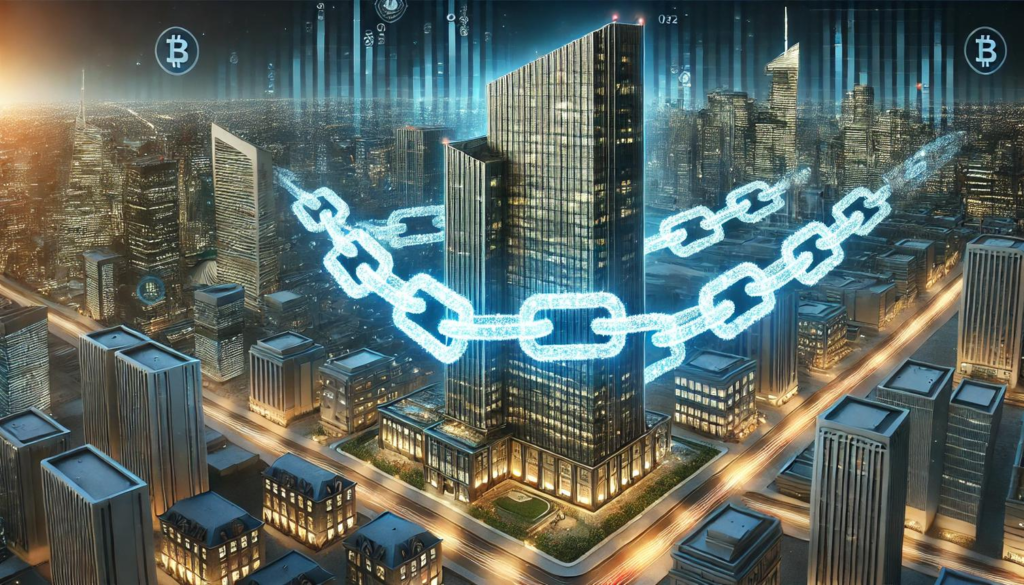
Tokenized real estate converts ownership in a property into digital tokens stored on a blockchain. Each token represents a fractional share of the asset, allowing investors to buy smaller portions instead of purchasing an entire property.
Why this matters in practice
Imagine a commercial building in Austin valued at $10 million. Instead of requiring a single buyer or a small group of investors, tokenization allows:
- Thousands of investors to own fractional shares
- Lower minimum investments (sometimes a few hundred dollars)
- Easier secondary trading through digital platforms
This structure introduces a level of liquidity that traditional real estate often lacks. While it doesn’t eliminate risk, it does create flexibility that many investors find appealing.
Real-World Example: Fractional Property Ownership
Consider a U.S.-based platform offering tokenized shares of rental properties. An investor might:
- Invest $1,000 into a tokenized property portfolio
- Receive proportional rental income distributions
- Track ownership digitally through a secure platform
Compared to traditional real estate investing—where down payments, maintenance, and property management can be barriers—this model offers a more passive and accessible alternative.
However, it’s important to note that these platforms are still evolving, and regulatory clarity continues to develop.
The Role of Blockchain in Expanding Investment Access
Blockchain technology underpins most digital assets. Its key value lies in creating transparent, tamper-resistant records of ownership.
For investors, this translates into:
- Improved transparency: ownership and transactions can be independently verified
- Reduced intermediaries: fewer layers between buyer and asset
- Faster settlement times: transactions can occur more efficiently than traditional systems
In traditional financial markets, settlement can take days. With blockchain-based systems, transactions can potentially settle in near real-time, though practical implementation varies.

Why U.S. Investors Are Paying Attention
Interest in digital assets is not driven solely by technology—it’s also about changing investor expectations.
Several trends are shaping this shift:
- Demand for diversification beyond stocks and bonds
- Lower-cost entry points into historically exclusive assets
- Digital-native investing behavior, especially among younger investors
- Institutional adoption, which adds credibility and infrastructure
According to surveys from firms like Pew Research Center and Deloitte, a growing percentage of Americans—particularly under age 50—have engaged with digital assets in some form.
Risks and Considerations: A Balanced View
Digital assets introduce new opportunities, but they also come with distinct risks that should not be overlooked.
Key risks to understand
- Regulatory uncertainty: U.S. rules are evolving and can impact platforms and asset classifications
- Market volatility: especially in cryptocurrencies
- Platform risk: not all digital asset platforms are equally secure or reliable
- Liquidity variability: tokenized assets are not always easily tradable
- Valuation complexity: pricing can be less transparent than public markets
For example, while tokenized real estate may promise liquidity, actual resale opportunities depend heavily on platform activity and investor demand.
The U.S. Regulatory Landscape
Regulation plays a central role in shaping the future of digital assets in the United States.
Agencies such as the SEC (Securities and Exchange Commission) and CFTC (Commodity Futures Trading Commission) are actively working to define how digital assets should be classified and governed.
In general:
- Tokenized securities are often treated similarly to traditional securities
- Platforms must comply with investor protection and disclosure requirements
- Stablecoins and crypto exchanges face increasing scrutiny
This regulatory attention is not necessarily negative—it can help create a safer and more standardized environment for investors over time.

Practical Ways to Get Started
For investors interested in exploring digital assets, a measured approach is essential.
Thoughtful entry strategies
- Start with a small allocation within a diversified portfolio
- Use established, regulated platforms when possible
- Focus on understanding the asset—not just the technology
- Evaluate fees, liquidity, and governance structures
- Consider consulting a financial advisor familiar with digital assets
For example, an investor might begin by allocating 2–5% of their portfolio to a mix of digital assets, rather than making large, concentrated bets.
Where Digital Assets Fit in a Modern Portfolio
Digital assets are not a replacement for traditional investments—but they are becoming a complementary component.
They may serve roles such as:
- Diversification: exposure to alternative asset classes
- Growth potential: particularly in emerging sectors
- Income generation: in cases like tokenized real estate
However, their role should be proportional to an investor’s risk tolerance, time horizon, and overall financial plan.

Frequently Asked Questions
1. What is tokenized real estate in simple terms?
It’s a way to own a fraction of a property through digital tokens instead of buying the entire asset.
2. Are digital assets safe to invest in?
They can be, but they carry unique risks. Safety depends on the asset type, platform, and regulatory compliance.
3. How are digital assets regulated in the U.S.?
They are regulated by agencies like the SEC and CFTC, but rules are still evolving.
4. Can I earn income from tokenized real estate?
Yes, many platforms distribute rental income proportionally to token holders.
5. Do I need a lot of money to invest?
Not necessarily. Some platforms allow investments starting at a few hundred dollars.
6. Are digital assets liquid?
Some are highly liquid (like major cryptocurrencies), while others—like tokenized assets—may have limited liquidity.
7. How do I store digital assets?
They are typically stored in digital wallets or platform accounts with security features.
8. Are digital assets taxed in the U.S.?
Yes. The IRS treats many digital assets as property, meaning transactions may trigger capital gains taxes.
9. What’s the difference between crypto and tokenized assets?
Crypto is typically a native digital currency, while tokenized assets represent ownership in real-world or financial assets.
10. Should beginners invest in digital assets?
Beginners can participate, but should start small and focus on understanding risks first.
Mapping the Next Phase of Investment Access
Digital assets are gradually reshaping how Americans think about ownership, access, and participation in financial markets. From cryptocurrencies to tokenized real estate, the common thread is not disruption for its own sake—but increased flexibility.
For investors, the key is not to chase trends, but to understand how these tools fit into broader financial goals. As infrastructure matures and regulations clarify, digital assets are likely to become a more integrated part of mainstream investing.
Key Insights at a Glance
- Digital assets expand access to traditionally exclusive investments
- Tokenization allows fractional ownership of real-world assets
- Blockchain improves transparency and efficiency
- Risks include regulation, volatility, and platform reliability
- A balanced, informed approach is essential for long-term success