


Digital assets—from cryptocurrencies to tokenized securities—are reshaping how Americans invest, store value, and transact. But alongside innovation come regulatory uncertainty, market volatility, and security risks. This guide explains what digital assets are, how U.S. regulations apply, and what investors should realistically consider before participating, with practical examples and grounded insights to support informed decision-making.
Understanding Digital Assets in Today’s Financial Landscape
Digital assets have moved from niche technology circles into mainstream financial conversations across the United States. At their core, digital assets are assets that exist in digital form and rely on blockchain or similar distributed technologies for ownership, transfer, and verification.
For U.S. investors, the term most often includes cryptocurrencies like Bitcoin and Ethereum, but it also extends to a broader category that includes stablecoins, non-fungible tokens (NFTs), and tokenized versions of traditional assets such as real estate or equities.
What makes digital assets distinct is not just their digital nature, but how ownership is recorded and transferred. Instead of relying on centralized institutions like banks or brokerages, many digital assets operate on decentralized networks where transactions are verified by a distributed system of participants.
This shift introduces both opportunity and complexity. While digital assets can offer faster settlement times, global accessibility, and new forms of financial participation, they also remove some of the safeguards that traditional systems provide.
Why Digital Assets Are Gaining Attention in the U.S.
Interest in digital assets among Americans has grown steadily over the past decade. According to surveys from organizations like the Pew Research Center, a meaningful percentage of U.S. adults have either invested in, traded, or used cryptocurrency in some capacity.
Several factors are driving this momentum.
First, there is increasing curiosity about alternative investments. In a prolonged low-interest-rate environment (particularly in the years following the 2008 financial crisis and again during the COVID-era stimulus period), investors began exploring options beyond traditional stocks and bonds.
Second, digital platforms have made access easier. Mobile apps and online exchanges have lowered the barrier to entry, allowing individuals to participate with relatively small amounts of capital.
Third, institutional involvement has legitimized the space. When firms like BlackRock and Fidelity Investments began offering crypto-related products or custody services, it signaled growing acceptance among traditional financial players.
Still, increased visibility does not eliminate the need for careful evaluation.

Key Types of Digital Assets U.S. Investors Encounter
While “digital assets” is often used as a blanket term, it’s important to distinguish between the major categories, as each carries different risks and regulatory implications.
- Cryptocurrencies: Decentralized digital currencies such as Bitcoin and Ethereum used for payments or as speculative investments
- Stablecoins: Digital tokens pegged to fiat currencies like the U.S. dollar, designed to reduce volatility
- Security Tokens: Blockchain-based representations of traditional securities, potentially subject to securities laws
- Non-Fungible Tokens (NFTs): Unique digital items representing ownership of art, collectibles, or other assets
- Tokenized Real-World Assets: Digital representations of physical assets such as real estate or commodities
For example, an investor buying Bitcoin through an exchange is participating in a decentralized currency market, while someone purchasing a tokenized real estate share may be entering a regulated investment structure with legal ownership implications.
What Are the Main Risks of Digital Assets?
Digital assets introduce a different risk profile than traditional investments, and understanding these risks is essential before allocating capital.
Market Volatility
Cryptocurrency markets are known for sharp price swings. Bitcoin, for instance, has experienced multiple drawdowns exceeding 50% within a single year. This volatility can create opportunities but also exposes investors to significant losses.
Regulatory Uncertainty
Unlike stocks or mutual funds, which are clearly governed by established frameworks, digital assets exist in a more evolving regulatory environment. U.S. agencies such as the Securities and Exchange Commission and the Commodity Futures Trading Commission continue to define how different digital assets should be classified and regulated.
Security Risks
Digital assets are typically stored in digital wallets, which can be vulnerable to hacking, phishing, or user error. Unlike traditional bank accounts, there is often no recourse if funds are lost due to compromised credentials.
Liquidity Concerns
Some digital assets, particularly newer or less widely traded tokens, may have limited liquidity. This means investors might struggle to sell their holdings quickly without impacting the price.
Operational Complexity
Managing private keys, understanding wallet security, and navigating exchanges can be challenging for new investors. Mistakes—such as sending assets to the wrong address—are often irreversible.

How Are Digital Assets Regulated in the United States?
Regulation in the U.S. is not handled by a single authority but rather a combination of agencies, each addressing different aspects of digital assets.
The Securities and Exchange Commission generally focuses on whether a digital asset qualifies as a security under U.S. law. If it does, it must comply with registration and disclosure requirements similar to stocks.
The Commodity Futures Trading Commission oversees certain crypto derivatives and considers some digital assets—like Bitcoin—as commodities.
Meanwhile, the Internal Revenue Service treats cryptocurrencies as property for tax purposes. This means that selling, trading, or even using crypto to make purchases can trigger taxable events.
At the state level, regulations can vary. For example, New York’s BitLicense framework imposes specific requirements on crypto businesses operating in the state.
In recent years, policymakers have also proposed clearer frameworks for stablecoins and digital asset custody, though legislation continues to evolve.
Tax Implications U.S. Investors Should Not Overlook
One of the most commonly misunderstood aspects of digital assets is taxation. Unlike traditional investments where tax reporting is often automated, digital asset transactions require more active tracking.
Key points investors should be aware of:
- Selling cryptocurrency for a profit triggers capital gains tax
- Converting one cryptocurrency into another is also a taxable event
- Using crypto to purchase goods or services may result in a gain or loss
- Holding assets for more than one year may qualify for long-term capital gains rates
For instance, if an investor buys Ethereum and later uses it to purchase a product, the IRS requires them to calculate the difference between the purchase price and the value at the time of the transaction.
Failing to report these activities accurately can result in penalties, making record-keeping essential.
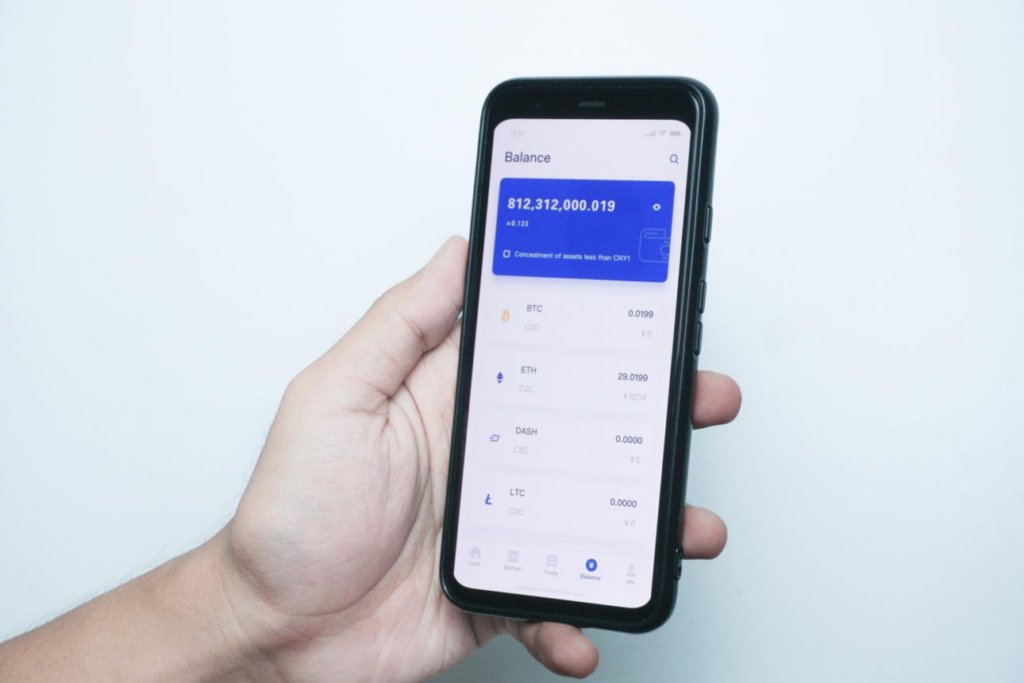
Practical Considerations Before Investing
For U.S. investors evaluating digital assets, a measured and informed approach is critical. While headlines often focus on price movements, the more important question is whether a given asset aligns with an individual’s financial goals and risk tolerance.
Consider these practical steps:
- Start with a small allocation relative to your overall portfolio
- Use reputable exchanges with strong security practices
- Enable multi-factor authentication and consider hardware wallets for storage
- Understand the underlying technology and use case of any asset before investing
- Keep detailed transaction records for tax reporting
A practical example: An investor allocating 2–5% of their portfolio to digital assets can gain exposure while limiting downside risk, compared to heavily concentrated positions that could significantly impact overall financial stability.
Are Digital Assets Suitable for Long-Term Investors?
The long-term role of digital assets in a portfolio remains a subject of debate among financial professionals. Some view them as a form of “digital gold,” offering diversification benefits, while others see them as speculative assets with uncertain long-term value.
Research from firms like Fidelity Investments has explored how small allocations to Bitcoin may impact portfolio diversification. However, results can vary widely depending on timing and market conditions.
For long-term investors, the key consideration is not whether digital assets will succeed broadly, but whether they fit within a disciplined investment strategy.
Common Questions Americans Are Asking
What is the safest way to store digital assets?
Using a hardware wallet (offline storage) is generally considered safer than keeping assets on an exchange.
Are digital assets legal in the U.S.?
Yes, but they are subject to various federal and state regulations depending on how they are classified.
Do I have to pay taxes on crypto if I don’t sell?
No, holding alone is not taxable. Taxes apply when you sell, trade, or use the asset.
Can digital assets replace traditional investments?
They currently complement rather than replace traditional investments for most portfolios.
What is a stablecoin and is it safe?
Stablecoins are designed to maintain a fixed value, but their safety depends on how reserves are managed and regulated.
How much of my portfolio should be in digital assets?
Many financial professionals suggest a small allocation, often under 5%, depending on risk tolerance.
Are NFTs a good investment?
NFTs are highly speculative and depend heavily on demand and perceived value.
What happens if a crypto exchange fails?
Assets held on exchanges may be at risk; using personal wallets can reduce dependency on third parties.
How do I choose a trustworthy platform?
Look for regulatory compliance, security features, and a strong track record.
Is Bitcoin still relevant today?
Bitcoin remains the most widely recognized digital asset and is often used as a benchmark for the broader market.
Navigating a Rapidly Evolving Financial Frontier
Digital assets represent a significant shift in how value can be created, stored, and transferred. For U.S. investors, the challenge is not simply understanding the technology, but evaluating how it fits within a broader financial strategy shaped by regulation, risk, and long-term goals.
Unlike traditional investments, where decades of data provide guidance, digital assets require a more cautious and adaptive mindset. Regulations continue to develop, market structures evolve, and new use cases emerge regularly.
Investors who approach this space with discipline—grounded in research, realistic expectations, and risk awareness—are better positioned to navigate both its opportunities and its uncertainties.
Key Insights at a Glance
- Digital assets include cryptocurrencies, stablecoins, NFTs, and tokenized assets
- U.S. regulation involves multiple agencies, including the SEC, CFTC, and IRS
- Volatility and security risks are significant considerations
- Tax obligations apply to most transactions, not just sales
- A small, diversified allocation is often more prudent than heavy exposure