


Several U.S. housing markets are cooling more quickly than many analysts predicted due to rising inventory, affordability pressures, elevated mortgage rates, shifting migration patterns, and cautious consumer behavior. While national home prices remain relatively stable, some regions are seeing slower sales, price reductions, and longer listing times. Understanding where and why these shifts are happening can help buyers, sellers, and investors make more informed real estate decisions in 2026.
A Different Kind of Housing Market Is Emerging in 2026
For much of the past several years, the U.S. housing market operated under unusual conditions. Low inventory, strong migration trends, and historically low mortgage rates pushed home prices sharply upward across many parts of the country. Buyers frequently faced bidding wars, waived inspections, and paid well above asking price just to compete.
In 2026, however, the market looks noticeably different in several metropolitan areas.
While a nationwide housing crash has not materialized, certain regions are cooling faster than economists, brokers, and investors expected. Homes are staying on the market longer. Price reductions are becoming more common. Some suburban and Sun Belt markets that experienced explosive pandemic-era growth are now seeing slower demand and more cautious buyers.
This shift is not happening evenly across the country. Instead, it reflects a combination of local economic conditions, affordability concerns, migration changes, and buyer psychology.
For Americans trying to buy, sell, or invest in real estate, understanding these dynamics matters more than ever.
Why Are Some Housing Markets Cooling So Quickly?
One of the most common questions Americans are searching right now is simple:
Why is the housing market slowing down if inventory is still relatively low?
The answer is more complex than a single factor.
Several pressures are converging at the same time, creating an environment where demand is weakening faster than expected in specific regions.
Mortgage Rates Are Still Reshaping Buyer Behavior
Although mortgage rates have moved lower than their peak levels from previous years, borrowing costs remain significantly higher than what buyers became accustomed to during the ultra-low-rate environment of 2020 and 2021.
For many households, affordability has become the defining issue.
A family that could comfortably afford a $650,000 home during the low-rate era may now qualify for substantially less purchasing power. Even small rate increases can dramatically change monthly payments.
As a result:
- Buyers are delaying purchases
- More households are renting longer
- Move-up buyers are staying put
- Investors are becoming more selective
In many cities, demand has not disappeared entirely — it has simply become more cautious and price-sensitive.
Pandemic Boomtowns Are Facing a Reality Check
Some of the fastest-cooling housing markets in 2026 are areas that experienced extraordinary growth during the pandemic years.
Cities across parts of Florida, Texas, Arizona, and portions of the Mountain West saw major population inflows as remote workers relocated in search of lower taxes, larger homes, and warmer climates.
At the time, builders struggled to keep up with demand.
Now, several of those same markets are experiencing:
- Higher inventory levels
- Slower inbound migration
- Insurance cost increases
- Property tax pressure
- Reduced investor activity
In some communities, sellers are discovering that buyers are no longer willing to pay aggressive pandemic-era premiums.
For example, a home that might have attracted 15 offers in 2021 may now sit for several weeks before receiving a price-conscious offer.
This does not necessarily mean those markets are collapsing. Instead, many are undergoing normalization after years of unsustainable growth.
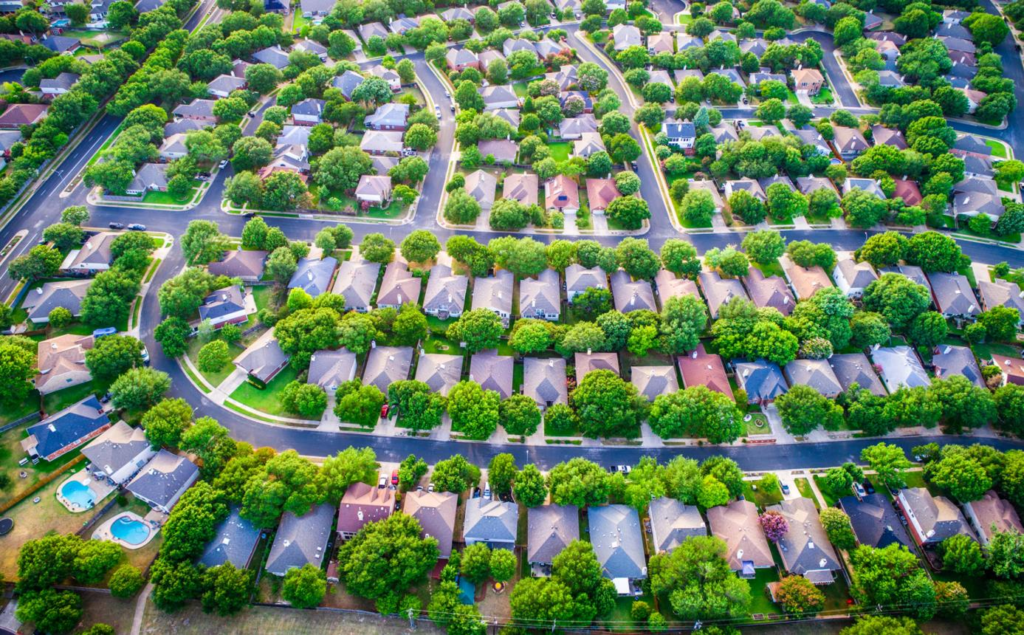
Inventory Is Rising in Select Markets
A major shift in 2026 involves housing supply.
For years, inventory shortages supported rising prices nationwide. But in some regions, available homes are finally increasing.
This is happening for several reasons:
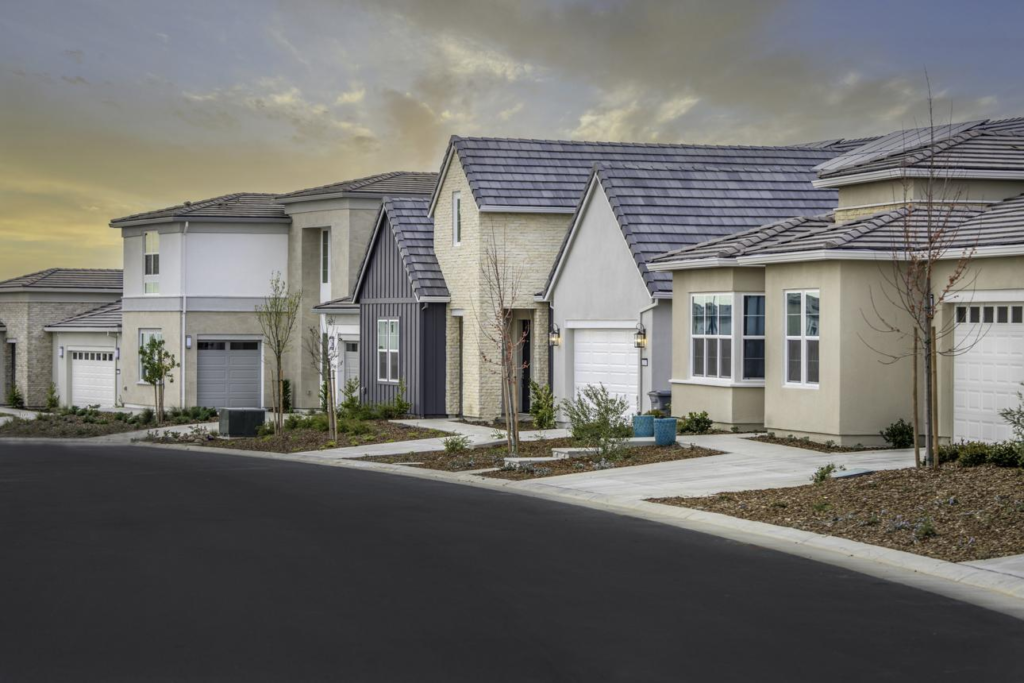
Builders Have Increased New Construction
Homebuilders slowed projects during periods of uncertainty but later accelerated development in high-growth areas. In some metro regions, new construction inventory is now competing directly with resale homes.
Builders are also offering incentives such as:
- Mortgage rate buydowns
- Closing cost assistance
- Appliance packages
- Flexible financing options
These incentives can make older resale homes less competitive unless sellers adjust pricing expectations.
More Sellers Are Returning to the Market
Some homeowners delayed selling due to uncertainty around interest rates or fears of not finding another property.
In 2026, more households are choosing to list homes because of:
- Job relocations
- Retirement moves
- Lifestyle changes
- Divorce or family transitions
- Financial pressure from higher living costs
The increase in listings is giving buyers more negotiating leverage in certain cities.
Insurance and Climate Costs Are Affecting Housing Demand
Another increasingly important factor is the rising cost of homeownership itself.
In several coastal and weather-sensitive states, insurance premiums have increased sharply due to climate-related risks, natural disasters, and insurer withdrawals from specific markets.
This issue has become especially relevant in parts of:
- Florida
- Louisiana
- California
- Coastal Texas
For many buyers, monthly ownership costs now extend far beyond mortgage payments.
A buyer evaluating two similar homes may reconsider purchasing in an area where insurance costs add several hundred dollars per month to total expenses.
As these costs rise, affordability weakens even further.
Some experts believe this trend could increasingly influence migration patterns over the next decade.
Remote Work Is No Longer Driving Housing Demand the Same Way
During the pandemic, remote work transformed the housing market almost overnight.
Workers who no longer needed to commute moved into suburbs, smaller cities, and vacation-oriented regions. Housing demand surged in places that had previously experienced moderate growth.
By 2026, however, many employers have implemented hybrid or partial return-to-office policies.
This shift is subtly changing buyer priorities again.
Some workers are reconsidering long-distance relocations because:
- Commuting requirements have increased
- Career advancement may favor office visibility
- Travel costs are rising
- Lifestyle preferences are changing
As a result, demand in certain remote-work boom markets has cooled faster than anticipated.
Which U.S. Markets Are Cooling the Most?
Housing conditions vary significantly by region, but analysts are closely watching several metro areas where inventory growth and affordability pressures are becoming more noticeable.
Some commonly discussed cooling markets include parts of:
- Austin
- Phoenix
- Tampa
- Nashville
- Boise
These regions experienced exceptionally strong appreciation during the pandemic housing surge.
Now, many are seeing:
- More price reductions
- Longer listing times
- Increased seller competition
- Slower year-over-year appreciation
However, cooling does not automatically mean declining long-term value.
Many of these cities still benefit from population growth, employment opportunities, and strong regional economies.
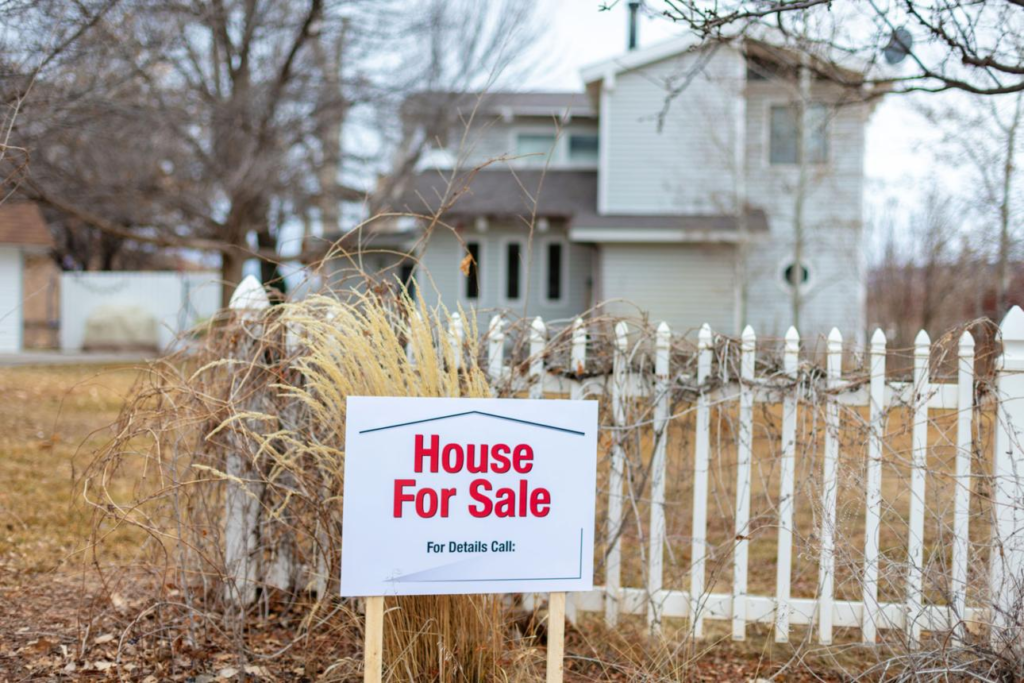
Are Home Prices Actually Falling?
Nationally, home prices have remained more resilient than many people expected.
But in some local markets, prices are softening modestly — especially for homes that were aggressively priced during peak demand periods.
The more important change in 2026 may not be dramatic price crashes, but rather:
- Slower appreciation
- More balanced negotiations
- Reduced bidding wars
- Greater buyer leverage
This distinction matters.
A cooling market does not necessarily mean homeowners are losing large amounts of equity. In many cases, it simply means the rapid price acceleration of prior years is fading.
What Buyers Should Understand Right Now
For buyers, the changing market creates both opportunities and challenges.
Opportunities
In some areas, buyers now have:
- More inventory choices
- Greater negotiation power
- Inspection contingencies again
- Seller concessions
- Reduced competitive pressure
Buyers who were previously priced out of certain neighborhoods may now find more flexibility.
Challenges
Affordability remains difficult in many metro areas because mortgage rates and home prices are still elevated compared to pre-pandemic norms.
Buyers should carefully evaluate:
- Total monthly ownership costs
- Insurance expenses
- Property taxes
- HOA fees
- Long-term job stability
The most successful buyers in 2026 are often approaching purchases with longer-term planning rather than short-term speculation.
What Sellers Need to Adjust in 2026
Many sellers are entering the market with outdated expectations based on conditions from two or three years ago.
That environment has changed.
In cooling markets, sellers increasingly need to focus on:
Realistic Pricing
Overpricing can lead to extended listing times and repeated price cuts, which may weaken buyer confidence.
Presentation and Condition
Homes that are move-in ready tend to attract stronger interest than properties requiring substantial repairs or upgrades.
Patience
Transactions are taking longer in many regions. Sellers may need to prepare for more negotiation and less urgency from buyers.
An experienced local real estate agent can provide valuable guidance because national headlines often fail to reflect neighborhood-level conditions.
Why Economists Misjudged the Speed of the Slowdown
Another important question many Americans are asking is:
Why were experts surprised by how quickly some markets cooled?
Part of the answer involves how unusual the post-pandemic housing cycle became.
Many forecasts underestimated how sensitive buyer demand would be to:
- Higher financing costs
- Insurance increases
- Consumer debt levels
- Inflation fatigue
- Economic uncertainty
In addition, migration trends proved less permanent than initially assumed.
Some households that relocated during the pandemic later reconsidered lifestyle preferences, employment opportunities, or affordability realities.
Housing markets also tend to shift psychologically.
When buyers believe prices will continue rising rapidly, urgency increases. When they believe prices may soften, many become more cautious and willing to wait.
That psychological transition can accelerate market slowdowns.
Could the Cooling Spread Nationwide?
Most analysts do not currently expect a severe nationwide housing collapse similar to 2008.
Several structural differences remain important:
- Lending standards are generally stronger
- Homeowner equity levels remain relatively high
- Foreclosure activity is comparatively limited
- Housing supply shortages still exist nationally
However, local corrections are possible, especially in markets where prices rose unusually fast relative to local incomes.
The broader U.S. housing market in 2026 appears increasingly divided.
Some regions continue experiencing tight inventory and stable demand, while others are transitioning toward more balanced conditions.
The Bigger Shift Happening Beneath the Headlines
Perhaps the most important takeaway from the 2026 housing market is that real estate is returning to fundamentals.
For years, extreme demand conditions distorted pricing, buyer behavior, and market expectations.
Now, buyers and sellers are once again focusing on:
- Affordability
- Local job growth
- Cost of ownership
- Neighborhood quality
- Long-term financial stability
That shift may ultimately create a healthier market environment, even if the transition feels uncomfortable in the short term.
For Americans navigating housing decisions today, patience, research, and local market knowledge are becoming far more valuable than broad national predictions.
Questions Americans Are Asking About the 2026 Housing Market
Is the U.S. housing market crashing in 2026?
Most economists do not believe the U.S. is experiencing a nationwide housing crash. Some regional markets are cooling significantly, but broader housing fundamentals remain stronger than during the 2008 crisis.
Why are homes sitting longer on the market?
Higher mortgage rates, affordability concerns, and increased inventory in some regions are causing buyers to move more cautiously.
Are home prices expected to drop further?
Certain overheated markets may continue seeing modest price adjustments, but national price declines are expected to remain relatively limited unless economic conditions worsen significantly.
Which housing markets are cooling the fastest?
Markets that experienced rapid pandemic-era growth — including parts of Florida, Texas, Arizona, and Idaho — are among those seeing more noticeable slowdowns.
Is 2026 a good time to buy a home?
That depends on personal finances, local market conditions, and long-term goals. Buyers may benefit from reduced competition, but affordability remains challenging in many cities.
Are mortgage rates expected to fall significantly?
Mortgage rate forecasts remain uncertain and depend heavily on inflation, Federal Reserve policy, and broader economic conditions.
Why are insurance costs becoming such a major issue?
Climate-related risks and rising rebuilding costs have increased insurance premiums in several states, affecting overall housing affordability.
Will remote work continue affecting housing markets?
Yes, but its influence is evolving. Hybrid work arrangements are creating more balanced migration patterns compared to the rapid relocations seen during the pandemic.
Are investors still buying homes aggressively?
Investor activity has slowed in many regions due to higher financing costs and softer appreciation expectations.
What matters most for buyers in 2026?
Financial stability, affordability, local economic conditions, and long-term ownership planning are becoming increasingly important.
Reading the New Market Reality
The housing market in 2026 is not defined by a single national trend. Instead, it reflects a more nuanced transition shaped by affordability, migration, borrowing costs, and changing consumer expectations.
For buyers, this environment may offer more flexibility than the frantic market conditions of recent years. For sellers, success increasingly depends on pricing discipline and realistic expectations.
The markets cooling fastest today are often the same ones that surged most aggressively during the pandemic years. In many cases, what appears dramatic in headlines may actually represent a broader return to balance.
As the market continues adjusting, local knowledge and careful financial planning will likely matter far more than broad predictions or short-term speculation.
Key Signals Worth Watching in 2026
- Rising inventory is changing buyer leverage in select metro areas
- Mortgage affordability remains the biggest market challenge
- Insurance costs are increasingly shaping migration decisions
- Pandemic boomtowns are normalizing after rapid growth
- Buyers are regaining negotiation power in some regions
- Sellers must adapt to slower transaction timelines
- National conditions vary sharply from local market realities
- Hybrid work trends continue influencing regional housing demand
- Home price growth is slowing more than collapsing
- Long-term fundamentals remain critical for decision-making