


For decades, Americans followed a familiar housing pattern: live near work, buy larger homes in growing suburbs, and prioritize long-term ownership. That pattern is shifting. Rising housing costs, remote work flexibility, climate concerns, changing family priorities, and evolving lifestyle expectations are causing many households to rethink where they live and what “home” actually means. Across the United States, people are making housing decisions based less on tradition and more on adaptability, affordability, and quality of life.
A Quiet Shift in American Housing Priorities
The American housing market is going through a broader transformation than rising home prices alone. While affordability remains a major issue, the deeper change involves how people evaluate their daily lives. Increasingly, Americans are asking different questions before choosing a place to live:
- Is this location financially sustainable long term?
- How much commuting time will this lifestyle require?
- Does this area support remote or hybrid work?
- Is the home flexible enough for future life changes?
- What happens if insurance, taxes, or climate risks increase?
These concerns are influencing both renters and buyers across multiple income groups.
According to data from the U.S. Census Bureau and the National Association of Realtors, migration patterns over the last several years have shown strong movement away from some traditionally expensive metropolitan centers toward smaller cities, suburban areas, and regions with lower living costs. States like Texas, Florida, Tennessee, North Carolina, and Arizona have seen continued inbound migration, while many high-cost coastal markets have experienced slower growth.
However, affordability alone does not fully explain the trend.
Many Americans are reassessing what they value most in everyday life. For some, it is more living space. For others, it is proximity to family, access to nature, walkability, lower stress, or the ability to work from anywhere.
Remote Work Changed More Than Commutes
One of the most significant forces reshaping housing decisions is the normalization of remote and hybrid work arrangements.
Before 2020, many employees had limited flexibility regarding where they lived. Housing choices were closely tied to office locations and commuting times. Today, millions of workers have at least partial flexibility, which has expanded their geographic options considerably.
This shift has created several new housing behaviors:
Americans Are Prioritizing Lifestyle Over Proximity
Workers who no longer commute daily are often choosing homes based on lifestyle preferences rather than office distance. That may include:
- Smaller cities with lower housing costs
- Mountain or coastal communities
- Areas closer to extended family
- Locations with better schools or outdoor access
- Neighborhoods with less congestion
For example, a marketing professional previously renting a small apartment in downtown Seattle may now choose a suburban North Carolina home with a dedicated office, lower monthly costs, and more living space.
The decision is not simply financial. Many households report valuing time, flexibility, and reduced stress more than proximity to major business districts.
The Definition of “Functional Space” Has Changed
The pandemic-era work shift also changed what buyers want inside homes.
Features that once seemed optional are now highly desirable:
- Dedicated home offices
- Flexible bonus rooms
- Soundproof areas for video calls
- Outdoor living spaces
- Reliable internet infrastructure
- Multi-purpose layouts
Real estate professionals across the country have noted growing demand for homes that support both personal life and professional productivity.
Rising Costs Are Forcing Harder Housing Decisions
Affordability remains one of the biggest reasons Americans are reconsidering housing choices.
Mortgage rates, property taxes, insurance premiums, maintenance costs, and home prices have all risen significantly in many parts of the country. Even households with stable incomes are finding it harder to justify traditional housing expectations.
According to Freddie Mac and Redfin market data, monthly housing payments in many metropolitan areas are substantially higher than they were just a few years ago. In some regions, first-time buyers are delaying purchases entirely.
As a result, many Americans are exploring alternatives that would have seemed unconventional a decade ago.
More People Are Choosing Smaller or Simpler Homes
Instead of maximizing square footage, many buyers are prioritizing financial sustainability.
This includes interest in:
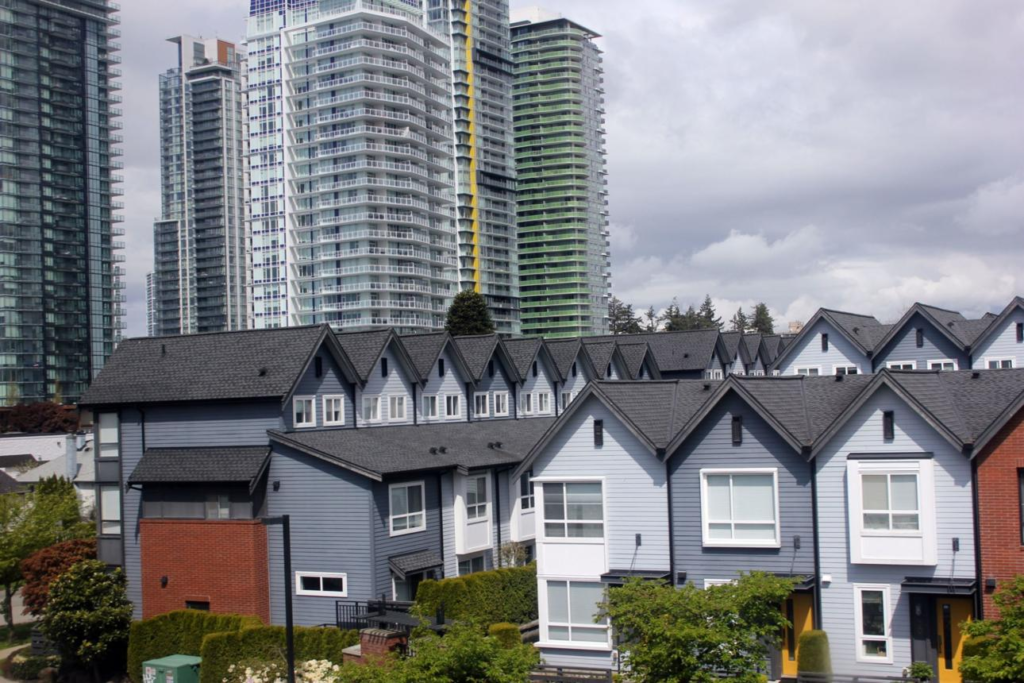
- Townhomes
- Condominiums
- Smaller single-family homes
- Accessory dwelling units (ADUs)
- Multi-generational housing
- Build-to-rent communities
Younger buyers, in particular, are increasingly aware that higher housing expenses can limit flexibility in other parts of life, including retirement savings, travel, education, and entrepreneurship.
Renting Is No Longer Viewed the Same Way
Historically, homeownership was often framed as the default financial goal for Americans. That perspective is becoming more nuanced.
Many renters now view flexibility as a financial advantage rather than a temporary phase. In volatile markets, renting can allow households to:
- Relocate more easily
- Avoid large maintenance costs
- Reduce exposure to property tax increases
- Stay mobile for career opportunities
This does not mean homeownership has lost value. Instead, Americans are becoming more selective about when, where, and why they buy.
Climate Concerns Are Influencing Relocation Decisions
Climate-related risks are becoming an increasingly important factor in housing decisions across the United States.
Insurance premiums in some coastal and wildfire-prone regions have risen sharply. Flood risks, drought conditions, hurricanes, and extreme heat are influencing long-term planning for both homeowners and investors.
Many buyers are now researching factors that previous generations rarely considered:
- Flood zone exposure
- Wildfire risk maps
- Water availability
- Insurance market stability
- Infrastructure resilience
- Energy efficiency
For example, homeowners in parts of Florida, California, and Louisiana have experienced substantial increases in insurance costs over recent years. In some cases, insurers have reduced coverage availability altogether.
This has caused some households to reconsider whether certain locations remain financially practical over the long term.
At the same time, cities with relatively stable climate conditions are attracting increased attention from both families and investors.
Multi-Generational Living Is Becoming More Common
Another major shift involves how Americans define household structure.
Multi-generational living arrangements — where grandparents, parents, and children share living space — are increasing for both economic and personal reasons.
Several factors are driving this trend:
- High housing costs
- Elder care needs
- Childcare support
- Cultural preferences
- Shared financial responsibilities
In practical terms, many families are seeking homes with:
- Separate entrances
- Finished basements
- Guest suites
- Dual kitchens
- Private living areas
Builders and developers have started adapting to this demand by offering more flexible floor plans.
For many households, multi-generational living is not viewed as a temporary compromise. Instead, it is becoming a long-term strategy for financial resilience and family support.
Americans Are Looking Beyond Traditional “Dream Home” Ideas
The classic vision of success once centered heavily around owning a large suburban home with continual upgrades over time. While that model still appeals to many buyers, attitudes are becoming more diverse.
Increasingly, Americans are asking whether a home supports the lifestyle they actually want — not just the one they were taught to pursue.
That has led to growing interest in:
- Walkable communities
- Lower-maintenance living
- Mixed-use neighborhoods
- Smaller homes with better locations
- Sustainable housing features
- Flexible ownership arrangements
For some people, this means downsizing intentionally. For others, it means relocating entirely.
A growing number of households are prioritizing experiences, flexibility, and lower financial stress over maximizing home size.

What Americans Are Searching Before Relocating
Search behavior related to relocation has evolved significantly over the last several years.
Common housing-related searches now include:
- “Best affordable cities for remote workers”
- “States with lower property taxes”
- “Best places to retire comfortably”
- “Cities with low climate risk”
- “Walkable suburbs near major cities”
- “Where can I buy a home under $400k?”
- “Best states for families in 2026”
- “Is renting cheaper than buying right now?”
This reflects broader uncertainty about long-term housing decisions.
People are no longer evaluating homes only through real estate listings. They are researching long-term livability.
How Communities and Developers Are Responding
Local governments, builders, and developers are beginning to adapt to these changing priorities.
In some areas, cities are updating zoning policies to encourage:
- Higher-density housing
- Mixed-use developments
- ADUs
- Transit-oriented communities
- Affordable housing expansion
Meanwhile, builders are adjusting designs to accommodate modern household needs.
New developments increasingly emphasize:
- Shared community amenities
- Energy-efficient construction
- Flexible interior layouts
- Outdoor connectivity
- Work-from-home functionality
The real estate industry is recognizing that housing demand is no longer driven by a single ideal lifestyle.

Questions Americans Frequently Ask About Relocating and Housing
Is it cheaper to move out of a major city now?
In many cases, yes. Smaller cities and suburban markets often offer lower housing costs, taxes, and living expenses. However, moving costs, wages, insurance, and local job markets should also be considered before relocating.
Are Americans still buying homes despite high mortgage rates?
Yes, but buyers are becoming more selective. Many households are purchasing smaller homes, relocating to lower-cost regions, or waiting longer before buying.
Why are so many people moving to smaller cities?
Smaller cities often provide lower costs, less congestion, more space, and improved quality of life while still offering modern amenities and remote work compatibility.
Is remote work permanently changing real estate markets?
Remote and hybrid work have already influenced housing demand patterns significantly. While some companies have returned to office-based policies, flexibility continues to affect relocation decisions nationwide.
What states are attracting the most new residents?
States including Texas, Florida, North Carolina, Tennessee, and Arizona have seen strong inbound migration due to economic growth, tax structures, and affordability relative to some coastal markets.
Are climate risks affecting home prices?
In some areas, yes. Rising insurance costs and environmental risks are influencing both property values and buyer demand patterns.
Why are multi-generational homes becoming more popular?
Many families are sharing housing to reduce costs, support caregiving needs, and improve financial stability.
Is renting becoming more acceptable long term?
Yes. Many Americans now view renting as a strategic lifestyle and financial choice rather than simply a temporary stage before ownership.
What home features are most important today?
Dedicated workspaces, energy efficiency, flexible layouts, outdoor areas, and reliable internet access are increasingly important to buyers.
Are suburban areas still growing?
Yes, although preferences vary widely. Many suburban communities continue attracting residents seeking more space and lower costs compared to dense urban centers.
What This Housing Shift May Mean for the Next Decade
The changes happening across American housing markets are likely to continue evolving over the next decade.
Future housing demand may increasingly center around flexibility rather than permanence. Americans appear more willing to relocate, adjust housing size, reconsider ownership timelines, and prioritize lifestyle quality over older status-based housing expectations.
That does not mean traditional homeownership is disappearing. Instead, the definition of a successful housing decision is becoming more individualized.
For some families, success means purchasing a long-term suburban home. For others, it may mean renting strategically, relocating closer to relatives, downsizing, or choosing communities designed around walkability and lower living costs.
The broader trend suggests that Americans are becoming more intentional about how housing affects financial stability, mental well-being, work flexibility, and long-term life satisfaction.
The Emerging Shape of the American Home
The American housing conversation is no longer focused only on square footage or property appreciation. Increasingly, it revolves around adaptability, resilience, affordability, and lifestyle alignment.
Where people live — and how they choose to live — now reflects broader changes in work, economics, technology, family structure, and personal priorities.
As these shifts continue, the most desirable homes may not necessarily be the largest or most expensive. Instead, they may be the ones that provide households with greater flexibility, sustainability, and long-term balance in a rapidly changing world.
Key Housing Trends Americans Are Watching Closely
- Remote work flexibility continues influencing relocation patterns
- Affordability pressures are reshaping ownership expectations
- Smaller cities and suburban communities remain attractive
- Climate risk is becoming a mainstream housing consideration
- Multi-generational living arrangements are increasing
- Buyers want flexible and functional home layouts
- Renting is gaining broader long-term acceptance
- Walkability and lifestyle amenities are growing priorities
- Housing decisions are increasingly tied to quality-of-life goals
- Americans are approaching relocation more strategically than before