

Summary
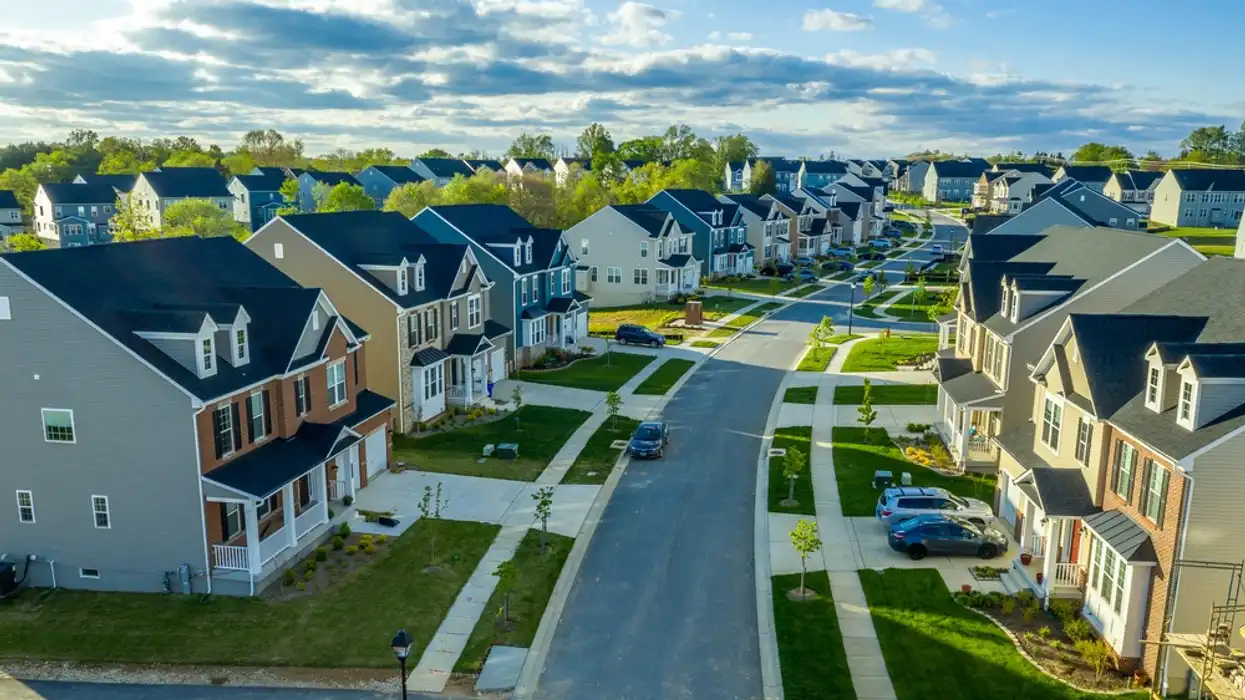
Some U.S. housing markets are cooling faster than expected due to a mix of higher mortgage rates, affordability limits, shifting migration patterns, and increased inventory. This article explains why the slowdown isn’t uniform, how local fundamentals matter more than national headlines, and what buyers, sellers, and investors should realistically expect next.
Introduction: A Shift That Caught Many Off Guard
For much of the past decade, American housing markets seemed almost immune to gravity. Prices rose quickly, homes sold in days, and buyers routinely waived contingencies just to compete. That momentum made it easy to assume demand would stay elevated indefinitely.
Instead, certain housing markets have cooled faster—and more decisively—than analysts, builders, and even seasoned real estate professionals anticipated. While national averages still suggest stability, local data tells a more nuanced story. Some cities are seeing longer days on market, price reductions, and declining transaction volume, even as others remain tight.
Understanding why this divergence is happening requires looking beyond headlines and into the structural forces shaping regional housing demand.
Cooling Doesn’t Mean Crashing—But It Does Mean Resetting
One of the most common questions Americans are searching for is whether a “cooling market” signals an impending crash. In most cases, it does not.
A cooling market typically reflects a rebalancing between supply and demand. Buyers regain negotiating power, sellers adjust expectations, and prices flatten or decline modestly rather than accelerating. In many metro areas, this reset is happening faster simply because the previous run-up was unusually steep.
Markets that experienced double-digit annual appreciation between 2020 and 2022 had less room for error. When borrowing costs rose and buyer budgets tightened, demand softened quickly—exposing how much of the prior growth was driven by urgency rather than fundamentals.
Mortgage Rates Changed Buyer Behavior More Than Expected
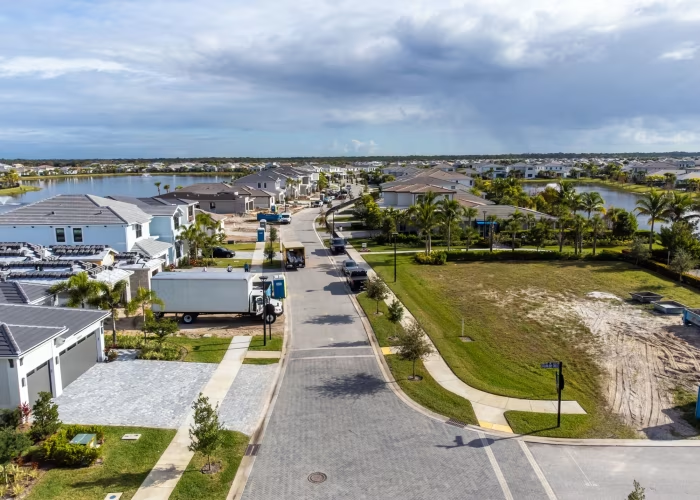
The rise in mortgage rates has been widely covered, but its behavioral impact is often underestimated. When rates moved from the low-3% range to above 6%, affordability didn’t just decline mathematically—it altered how buyers think.
Monthly payment sensitivity now outweighs price sensitivity for many households. A $500 increase in monthly costs forces buyers to pause, downsize expectations, or exit the market entirely. This shift has hit some regions harder than others, particularly where prices surged ahead of local income growth.
Data from the Federal Reserve shows mortgage rate volatility has also increased uncertainty. Buyers hesitate when they feel timing could significantly change affordability within months, leading to delayed decisions and reduced transaction volume.
Markets That Ran Ahead of Local Incomes Are Feeling It First
One of the clearest predictors of faster cooling is the gap between home prices and local wages.
In several Sun Belt and Mountain West markets, prices rose far faster than incomes during the pandemic migration boom. Remote workers arriving from higher-cost cities initially supported those prices. Over time, however, local demand struggled to keep pace once in-migration slowed.
When appreciation outpaces income growth, a market becomes more dependent on continued population inflows. When those flows normalize, demand softens quickly.
This dynamic explains why some mid-sized metros are seeing faster cooling than large coastal cities, where higher wages provide a more stable demand base despite higher absolute prices.
Inventory Is Reappearing—But Unevenly
Inventory remains historically low nationwide, yet in cooling markets, listings are rising noticeably. The reason is not a sudden surge in selling, but a slowdown in absorption.
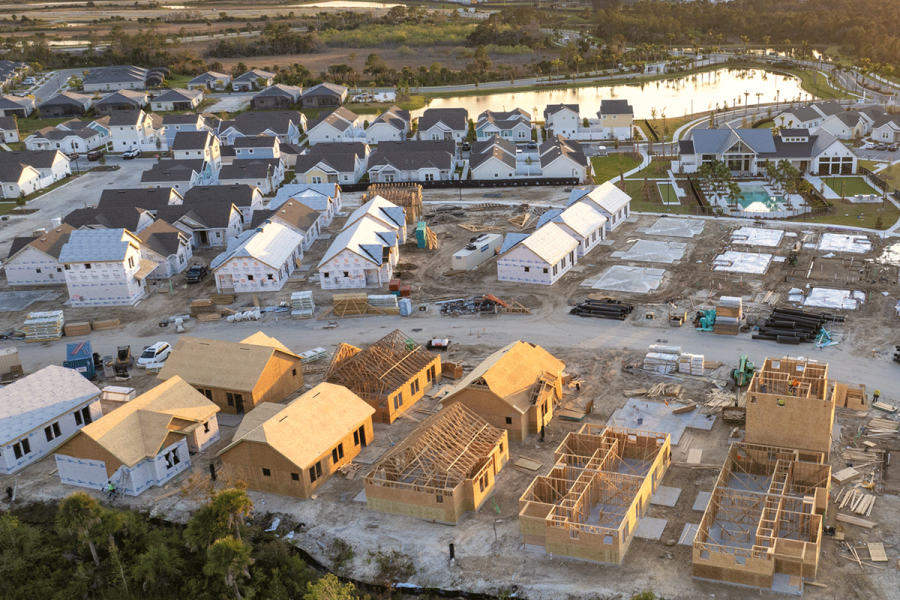
Homes are taking longer to sell. Price cuts are more common. New construction completions are adding supply in areas where builders responded aggressively to prior demand.
According to data from the U.S. Census Bureau, housing completions increased in several fast-growth states just as buyer demand began to cool. This timing mismatch has amplified the perception of oversupply in certain submarkets, even if overall inventory remains modest by historical standards.
Migration Patterns Have Normalized Faster Than Anticipated
During the height of remote work expansion, internal migration reshaped housing demand across the U.S. Smaller metros saw rapid growth, while some major cities experienced outflows.
What many underestimated was how temporary some of these patterns would be.
As employers implemented hybrid policies and economic uncertainty increased, mobility slowed. Fewer households were willing to relocate without job certainty. Markets that benefited disproportionately from pandemic-era moves saw demand normalize quickly, leading to sharper cooling.
This doesn’t mean those areas lack long-term appeal—but it does mean the extraordinary demand surge was never permanent.
Investors Are Pulling Back Selectively
Another factor accelerating cooling in certain markets is reduced investor activity. Higher financing costs, compressed margins, and softer rent growth have changed the calculus for many small and mid-sized investors.
Investor participation was especially high in markets with strong short-term appreciation and rent growth. When those assumptions weakened, transaction volume dropped sharply.
This pullback matters because investors often account for a significant share of demand in fast-growing regions. When they step back, the impact on liquidity is immediate.
Buyers Are More Cautious—and More Informed
Today’s buyers behave differently than those in 2021. They are:
- Comparing historical prices, not just recent comps
- Watching rate trends closely before committing
- Negotiating repairs, credits, and contingencies
- Willing to walk away rather than overextend
This shift doesn’t signal fear—it reflects experience. Buyers have learned that speed is no longer the only winning strategy, especially in markets where supply is rising.
Cooling is happening faster where buyers feel empowered to pause.
Why Some Markets Remain Resilient
Not all housing markets are cooling at the same pace. Areas with strong job growth, diversified economies, and constrained land supply continue to show resilience.
Large metros with deep labor markets absorb rate changes more gradually. Even when prices flatten, transaction activity remains steady because long-term demand fundamentals are intact.
The key distinction is whether demand is driven primarily by economic opportunity or by short-term lifestyle migration.
What This Means for Buyers, Sellers, and Investors
Cooling markets create different challenges—and opportunities—depending on perspective.
Buyers may find better selection and negotiating room, but must remain realistic about rates and long-term affordability. Sellers need to price based on current demand, not last year’s headlines. Investors must underwrite deals with conservative assumptions and longer holding horizons.
The fastest-cooling markets are reminding everyone that housing is local—and that cycles rarely move in straight lines.
Frequently Asked Questions
Why are some housing markets cooling faster than others?
Because affordability, income growth, migration, and inventory levels vary widely by region.
Does a cooling market mean prices will crash?
Not necessarily. Cooling usually signals slower growth or modest declines, not widespread collapse.
Are mortgage rates the main cause of cooling?
They are a major factor, but not the only one. Local supply, income trends, and buyer psychology matter just as much.
Which types of markets cool first?
Markets with rapid prior appreciation and weaker income support tend to cool faster.
Is now a good time to buy in cooling markets?
It depends on personal finances, job stability, and long-term plans—not market timing alone.
Will inventory continue to rise?
In some markets, yes—especially where new construction is completing faster than demand.
Are investors leaving the housing market?
Some are pulling back selectively, particularly in areas with shrinking margins.
How long does a cooling phase usually last?
Cooling periods vary but often last 12–24 months before stabilizing.
Can cooling markets heat up again?
Yes, if job growth, affordability, and migration trends strengthen.
A Market Learning to Breathe Again
Rapid growth created unrealistic expectations across parts of the U.S. housing market. Cooling is not a failure—it’s a recalibration. Markets that adjust now may emerge healthier, more balanced, and more sustainable in the long run. For participants willing to look past short-term noise, understanding these shifts is a strategic advantage.
Key Signals Worth Watching
- Affordability relative to local incomes
- Days on market and price reductions
- New construction delivery pace
- Employment and wage growth trends
- Mortgage rate stability
 Robert Weber