


Summary
Home prices remain elevated across much of the U.S., while buyer expectations are adjusting more slowly. This gap—driven by higher interest rates, affordability pressures, and shifting lifestyles—has reshaped how Americans approach homeownership. Understanding why this disconnect exists helps buyers, sellers, and policymakers make more realistic, informed decisions.
Understanding the Disconnect
In many parts of the United States, home prices have not declined as quickly—or as deeply—as buyers expected after mortgage rates rose. At the same time, buyers are increasingly price-sensitive, cautious, and selective. The result is a widening gap between what homes cost and what buyers feel they should cost.
This gap isn’t just psychological. It reflects structural changes in housing supply, labor markets, financing costs, and household priorities. For years, historically low mortgage rates allowed buyers to stretch budgets without feeling immediate pain. When rates climbed sharply, monthly payments rose far faster than prices adjusted, fundamentally changing affordability.
According to data from the National Association of Realtors (NAR), the monthly mortgage payment on a median-priced home increased by more than 50% between 2021 and 2024, even in markets where prices flattened. Buyers didn’t suddenly stop wanting homes—they simply recalibrated what felt reasonable.
Why Prices Haven’t Fallen as Much as Buyers Expected
Many buyers assume higher interest rates should automatically lead to lower home prices. In practice, housing markets rarely adjust that cleanly.
One major reason is limited supply. The U.S. entered the current decade with an estimated housing shortage of several million units, driven by underbuilding after the 2008 financial crisis. New construction has increased, but not fast enough to offset population growth, household formation, and regional migration.
Another factor is homeowner “rate lock.” Millions of existing homeowners hold mortgages with interest rates below 4%. Selling would mean giving up that low rate and taking on a much higher monthly payment for a similar home. As a result, many choose not to sell at all, keeping resale inventory tight.
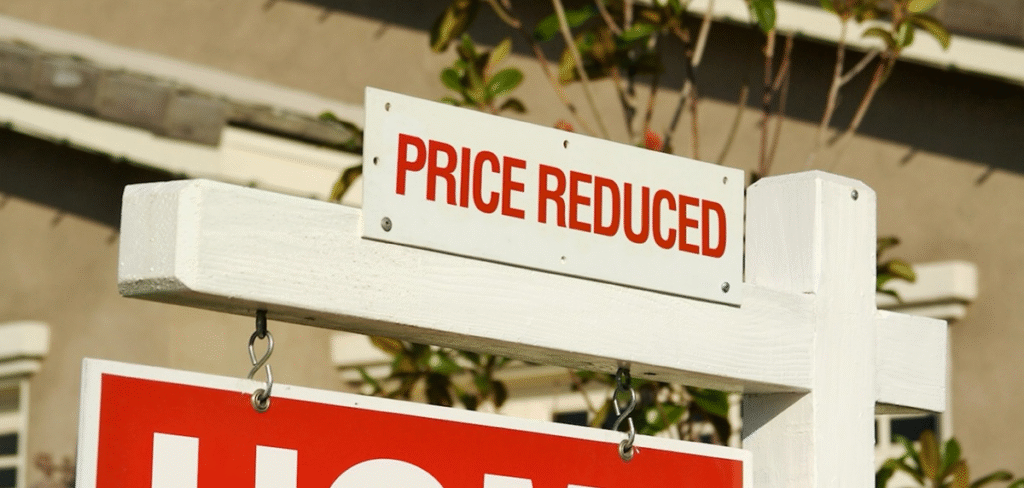
Finally, prices tend to be sticky on the downside. Sellers often anchor to recent comparable sales or the peak values of 2021–2022. Rather than cut prices aggressively, many prefer to wait, rent out their homes, or make only modest reductions.

How Buyer Expectations Are Shifting
While prices remain elevated, buyer expectations are evolving in more nuanced ways than simple price resistance.
Buyers are now scrutinizing value more closely. Square footage, layout efficiency, energy costs, and maintenance needs carry more weight than they did when borrowing was cheap. A home that felt acceptable at a 3% mortgage rate may feel overpriced at 7%, even if the sticker price is unchanged.
There is also greater sensitivity to location trade-offs. Some buyers are willing to move farther from city centers, accept longer commutes, or consider secondary markets if it means achieving monthly payment stability.
Common expectation shifts include:
- Greater emphasis on total monthly cost rather than purchase price alone
- Less willingness to waive inspections or contingencies
- Higher standards for move-in readiness
- Increased interest in adjustable-rate or buydown financing options
These changes reflect rational adaptation, not hesitation. Buyers are responding to a fundamentally different cost environment.
The Role of Mortgage Rates in Perceived Value
Mortgage rates play an outsized role in shaping buyer psychology. A one-percentage-point increase in rates can raise monthly payments by hundreds of dollars, even if prices remain constant. This amplifies the sense that homes are “overpriced,” even when values align with local incomes and long-term trends.
For example, a $400,000 home financed at 3% produces a very different payment than the same home at 6.5%. Buyers often internalize the higher payment as evidence that the home itself is overpriced, rather than recognizing the financing shift.
Lenders and agents report that buyers now spend more time comparing scenarios—rate buydowns, larger down payments, or smaller homes—to regain a sense of balance. The expectation is no longer “How much house can I afford?” but “How predictable will my housing costs be?”
Regional Differences Matter More Than Ever
The gap between prices and expectations varies widely by region. In some Sun Belt metros that saw rapid price appreciation during the pandemic, buyers have become particularly price-sensitive as migration slows and inventory increases.
Meanwhile, markets with diversified economies, constrained land supply, or strong job growth—such as parts of the Northeast and Midwest—have seen prices remain more stable, even as buyer expectations adjust.
In lower-cost regions, buyers may still feel priced out due to wage growth lagging behind housing costs. In higher-cost regions, buyers may accept elevated prices but demand stronger value justification.
This regional variation underscores the importance of local data over national headlines.
How Sellers Are Responding—And Where Tension Emerges
Many sellers remain reluctant to adjust expectations, especially those who don’t need to move. This creates friction in transactions.
Some sellers respond by offering concessions rather than lowering prices. These may include:
- Paying for mortgage rate buydowns
- Covering closing costs
- Offering repair credits
- Including appliances or home warranties
While these incentives help bridge the gap, they can also obscure true market pricing, making it harder for buyers to assess value.
Other sellers choose to rent their properties instead of selling, reducing for-sale inventory but increasing rental supply. This dynamic further slows price correction while altering the housing landscape.
First-Time Buyers Feel the Gap Most Acutely
First-time buyers often experience the disconnect more sharply than repeat buyers. Without home equity to roll into a purchase, they face the full weight of higher payments and stricter affordability thresholds.
Many first-time buyers delay purchases, adjust expectations toward smaller homes or condos, or rely more heavily on family assistance. Some choose to rent longer while monitoring market conditions, though rising rents can limit savings.
Despite these challenges, first-time buyers remain active, accounting for roughly one-third of U.S. home purchases in recent years, according to NAR. Their strategies are simply more cautious and data-driven.
What the Data Suggests About Long-Term Adjustment
Historically, housing markets tend to rebalance through a combination of modest price adjustments, income growth, and financing normalization. Sharp price drops are relatively rare outside of economic shocks.
Economists note that as wages gradually rise and inflation stabilizes, affordability can improve even if prices don’t fall dramatically. Additionally, increased new construction in certain regions may ease pressure over time.
However, expectations may continue to lag reality. Buyers who anchor to pre-2020 pricing may feel perpetually frustrated, while those who focus on long-term affordability and stability are more likely to move forward confidently.
Navigating the Gap as a Buyer
Buyers who succeed in today’s market tend to approach decisions pragmatically. Rather than waiting for ideal conditions, they evaluate trade-offs clearly.
Effective strategies include:
- Focusing on monthly payment comfort rather than list price
- Comparing multiple neighborhoods or housing types
- Requesting concessions instead of price cuts
- Stress-testing budgets against future rate changes
These approaches don’t eliminate the gap, but they make it manageable.
Implications for the Broader Housing Market
The growing gap between prices and expectations has broader consequences. Longer days on market, fewer bidding wars, and more negotiated deals suggest a shift toward balance, even if prices remain high.
For policymakers, the gap highlights the importance of increasing supply, reforming zoning, and supporting first-time buyers without inflating prices further.
For the market as a whole, it signals a transition—from urgency-driven decisions to value-focused ones.

Frequently Asked Questions
Why haven’t home prices dropped significantly despite higher interest rates?
Limited inventory, homeowner rate lock, and seller resistance have kept prices relatively firm.
Are buyers expecting prices to return to pre-pandemic levels?
Some are, but most economists view that as unlikely in the near term.
Is it better to wait for lower prices or buy now?
It depends on personal finances, job stability, and long-term plans rather than market timing alone.
How much do mortgage rates affect affordability compared to prices?
Rates often have a larger impact on monthly payments than moderate price changes.
Are sellers willing to negotiate more now?
Yes, particularly through concessions rather than price cuts.
Do regional markets behave differently?
Very much so—local supply, jobs, and migration patterns matter more than national averages.
Are first-time buyers at a disadvantage today?
They face challenges, but many succeed by adjusting expectations and using targeted financing tools.
Will new construction help close the gap?
Over time, increased supply can ease pressure, especially in high-growth regions.
Is renting a better option right now?
For some households, renting offers flexibility, but long-term costs should be weighed carefully.
A Market Learning to Reprice Expectations
The gap between home prices and buyer expectations isn’t a failure of the housing market—it’s a period of recalibration. Buyers are learning to assess value through a new lens shaped by higher financing costs, while sellers adjust more gradually. Progress comes not from dramatic shifts, but from steady alignment between cost, value, and long-term confidence.
What This Shift Ultimately Signals
- Affordability now centers on monthly stability, not just purchase price
- Negotiation has replaced urgency in many transactions
- Local data matters more than national narratives
- Patience and realism are becoming competitive advantages
 Robert Weber