

Summary
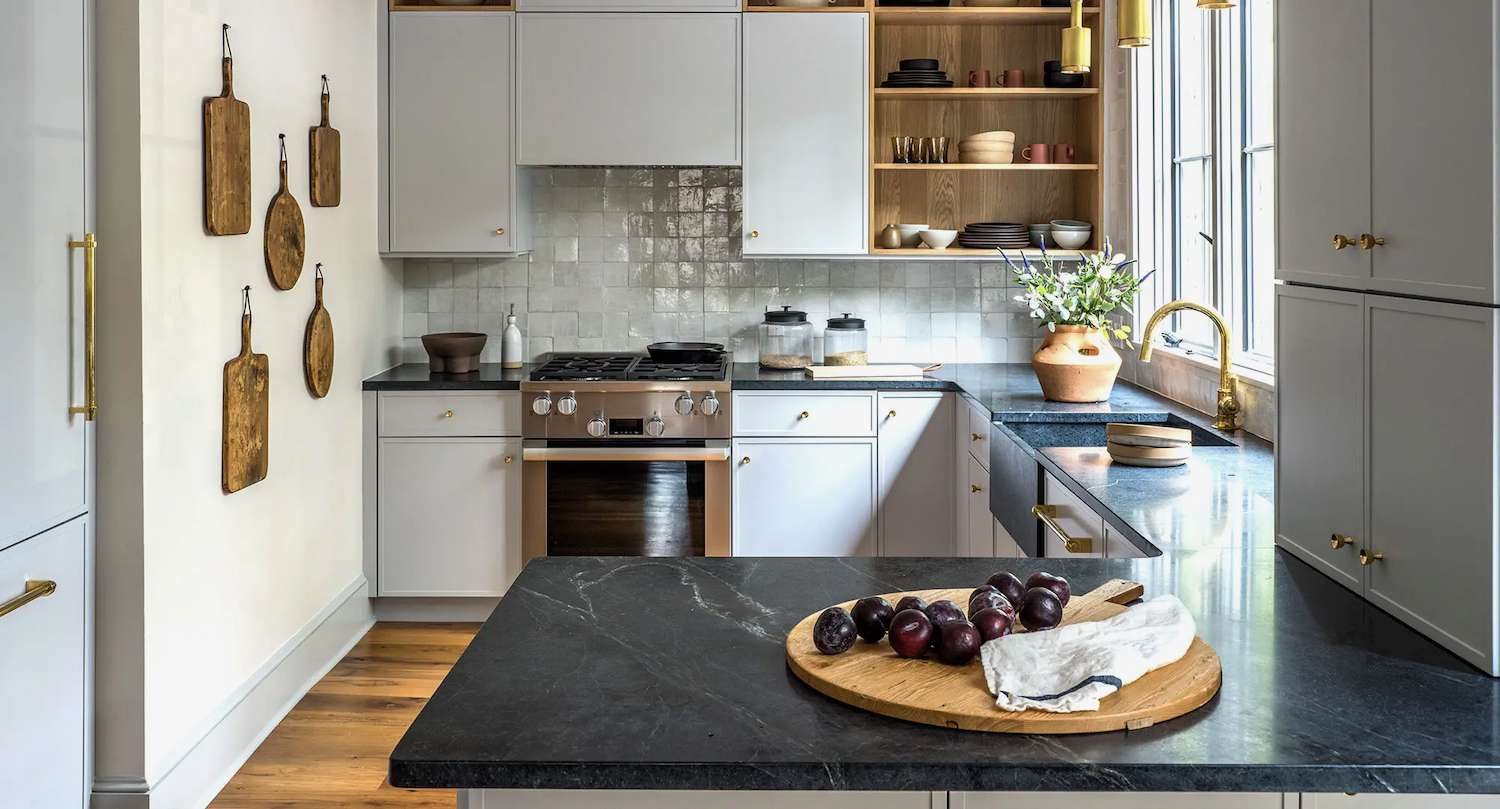
Across the U.S., smaller homes are becoming a deliberate choice rather than a constraint. This trend reflects deeper shifts in work, family life, financial priorities, and environmental awareness. As buyers reassess space, cost, and lifestyle goals, the rise of compact housing reveals how Americans are redefining what “home” means in the 21st century—from flexibility and efficiency to community and sustainability.
Redefining Space in Modern American Life
In recent years, the concept of “enough space” has shifted in ways that go beyond square footage. What once signified status—sprawling floor plans and oversized rooms—is increasingly being balanced against practical needs, lifestyle preferences, and financial realities. Across metropolitan regions, suburbs, and smaller communities, smaller homes are emerging as a purposeful choice rather than a compromise.
The trend toward smaller homes isn’t new, but today’s context is unique. Instead of being driven solely by affordability or necessity, the preference for smaller living reflects broader cultural changes: remote work, prioritization of experiences over possessions, rising construction costs, and evolving household compositions. For many Americans, home is no longer just a place to shelter things—it’s a setting for life priorities that increasingly value flexibility, connection, and sustainability.
Understanding why smaller homes are gaining appeal requires digging into the multiple social, economic, and lifestyle factors converging in the U.S. housing market today.
What Do Americans Mean by “Smaller Homes”?
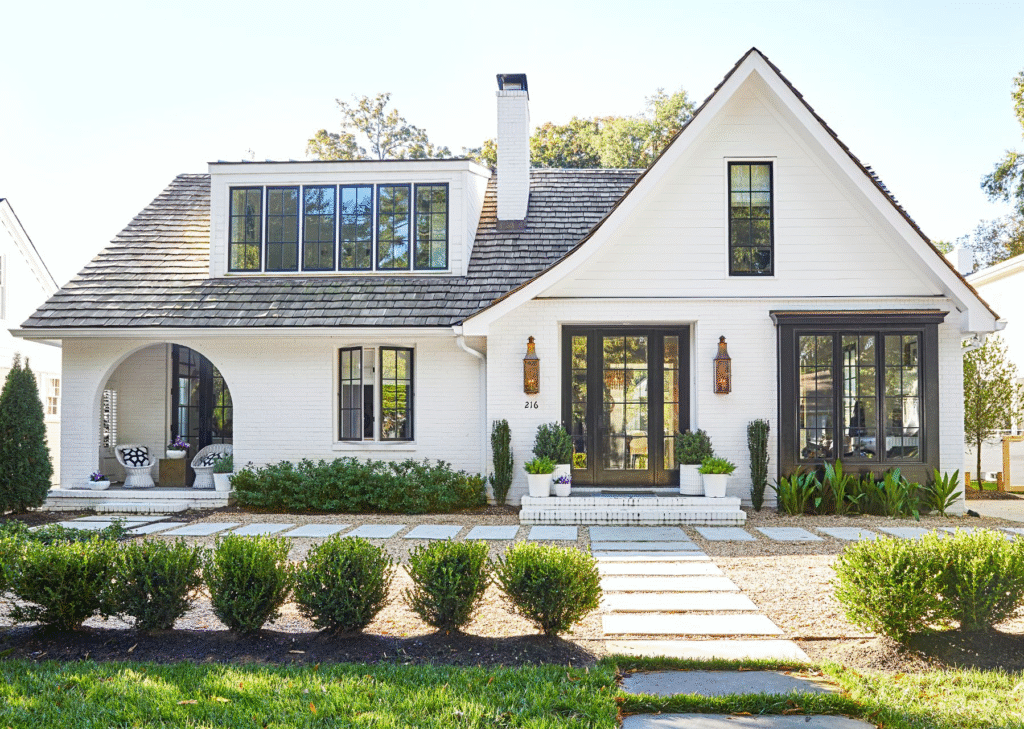
When we talk about “smaller homes,” we aren’t referring to minimal shelters or tiny houses alone. Instead, the spectrum includes:
- Compact single-family homes (under 1,800 sq ft)
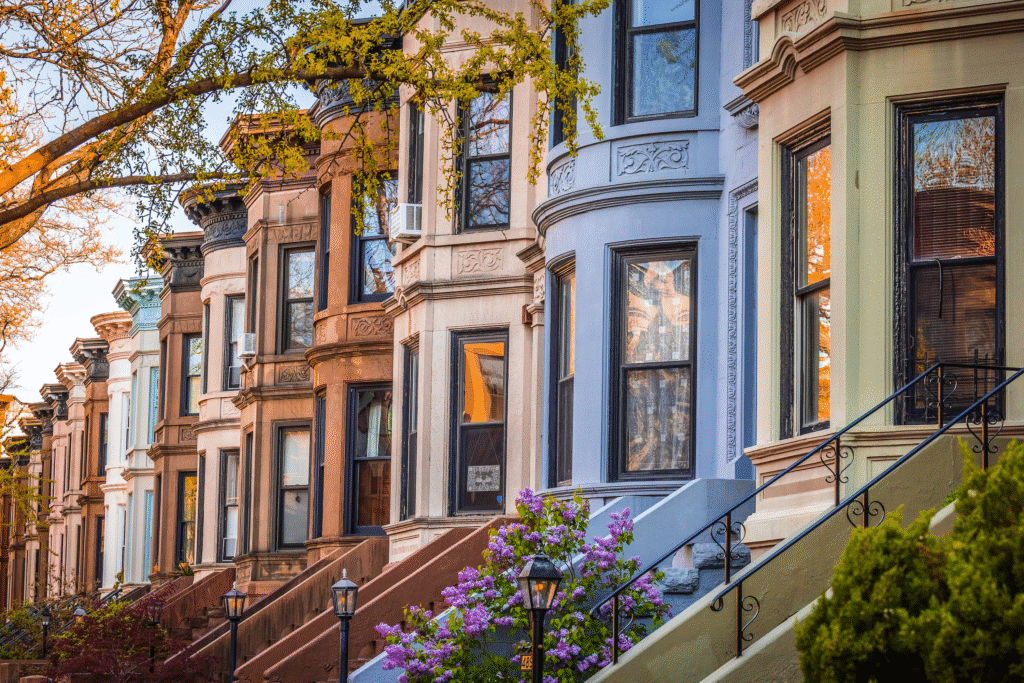
- Townhouses and duplexes with efficient layouts
- Condominiums oriented toward metro living
- Purpose-built small house communities
- Accessory Dwelling Units (ADUs) and backyard cottages
Across this range, the common thread is intentional design for efficiency—spaces that reduce wasted square footage while maximizing usability.
These homes differ from “tiny houses” in that they still meet many conventional expectations of homeownership: permanent lots, standard utilities, and financing eligibility. What makes them stand out is not size alone but how that size aligns with changing priorities.
Why Smaller Homes Are Gaining Momentum
1. Economic Realities and Affordability
Housing costs in many U.S. regions remain elevated relative to wages. While national averages can mask local variation, buyers are still seeking ways to enter the market without overextending financially.
Smaller homes often deliver:
- Lower purchase prices
- Reduced property taxes
- Lower utility costs
- Less maintenance over time
For first-time buyers and mid-career professionals alike, this translates into more predictable monthly expenses and less pressure to buy at the top of the market.
2. Remote and Hybrid Work Patterns
The pandemic accelerated remote and hybrid work for millions of Americans. Rather than needing multiple formal living rooms or large commute-oriented home offices, many households now seek flexible spaces that serve multiple purposes.
Smaller homes often:
- Reallocate space for multifunctional rooms
- Encourage streamlined interior design
- Prioritize outdoor or community spaces for work or leisure
Rather than focusing on square footage alone, buyers evaluate how well a home supports daily activities.
3. Lifestyle Priorities: Experiences Over Square Footage
Data from consumer surveys consistently shows a generational shift: younger adults often value travel, flexibility, hobbies, and experiences as highly as material assets. Owning a larger home can sometimes feel like an obstacle to these priorities, especially when it comes with higher maintenance and mortgage burdens.
Smaller homes can enable:
- More discretionary income for travel or savings
- Simplified living with fewer possessions
- Closer proximity to cultural amenities
In this context, smaller homes align with a lifestyle centered on freedom and mobility rather than static accumulation.
4. Sustainability and Resource Efficiency
Environmental awareness is influencing housing decisions at multiple levels. Smaller homes typically use fewer building materials, require less energy to heat and cool, and generate less waste over time. For environmentally conscious buyers, this translates into lower personal ecological footprints and often lower ongoing costs.
Communities built around walkability, transit, and shared amenities also appeal to those who prioritize sustainability alongside convenience.
5. Demographic Shifts and Household Composition
Today’s households are more diverse than in past decades. Families come in all shapes and sizes—single parents, multigenerational homes, co-housing arrangements, and couples without children. Not all these households require the traditional 2,500+ sq ft home with three bedrooms and multiple formal spaces.
Smaller homes often suit:
- Empty nesters who no longer need large family spaces
- Young professionals seeking urban proximity
- Dual-income households that value communal amenities
Understanding today’s household diversity helps explain why smaller homes fit the needs of many Americans.
Real-World Examples of the Shift
Across U.S. markets, we’re seeing tangible examples that illustrate this trend:
• Portland, Oregon:
Compact townhouses and courtyard communities near transit corridors have attracted both young professionals and downsizing retirees. Developers report strong sales even as average unit sizes hover below 1,600 square feet.
• Austin, Texas:
Accessory Dwelling Units (ADUs) in established neighborhoods allow homeowners to add efficient living spaces that can serve as rental units, guest suites, or work spaces—reflecting a desire for flexibility over size.
• Chicago Suburbs:
Smaller infill homes on former single-lot developments appeal to buyers priced out of larger properties but unwilling to move farther from city amenities.
Across these examples, the appeal isn’t simply “tiny” living; it’s about smart design, community access, and value that aligns with lifestyle goals.
Practical Questions Homebuyers Are Asking
What should I consider when choosing a smaller home?
Look beyond square footage. Evaluate:
- Layout efficiency
- Storage solutions
- Neighborhood amenities
- Resale potential
- Energy performance
Well-configured space can feel significantly larger than raw size suggests.
Does a smaller home lose resale value potential?
Not necessarily. Homes oriented toward strong school districts, access to transit, or vibrant local economies tend to maintain value—even if smaller. Market trends increasingly favor functional layouts over sheer size.
Are smaller homes more energy efficient?
Generally yes. Heating, cooling, and lighting costs scale with space. A smaller footprint often equates to lower ongoing utility bills, particularly when paired with modern insulation and energy systems.
Bullet-Point Breakdown: Key Trends and Takeaways
Lifestyle Drivers:
- Prioritizing flexibility and experiences
- Desire for low-maintenance living
- Remote/hybrid work reducing space needs
Economic Influences:
- High construction costs
- Affordability constraints in many regions
- Favorable financing for efficient designs
Design Elements That Matter Most:
- Open, multifunctional common areas
- Integrated storage
- Outdoor living spaces
- Proximity to community amenities
Common Misconceptions:
- Smaller homes sacrifice quality
- Size alone determines comfort
- Larger homes always yield better returns
Each of these assumptions is being challenged by buyers who prioritize thoughtful design and location.
Frequently Asked Questions
Why are smaller homes becoming more popular in the U.S.?
Smaller homes are gaining popularity because they better align with current economic conditions and lifestyle preferences. Rising home prices, higher interest rates, and increased construction costs have pushed many buyers to prioritize affordability and efficiency. At the same time, remote work, smaller household sizes, and a growing emphasis on flexibility and sustainability have made well-designed compact homes more appealing than large, high-maintenance properties.
Does a smaller home have lower maintenance costs?
In most cases, yes. Smaller homes generally require less upkeep because there is less space to clean, repair, heat, and cool. Roofs, HVAC systems, exterior surfaces, and landscaping tend to cost less to maintain or replace. While maintenance costs still depend on build quality and materials, a smaller footprint typically translates into lower ongoing expenses over time.
How does home size impact resale value?
Home size affects resale value differently depending on location and buyer demand. In markets where affordability, walkability, or access to jobs and transit are priorities, smaller homes can retain strong resale value. Buyers often focus more on layout, condition, and neighborhood quality than square footage alone. A smaller home with an efficient design in a desirable area can outperform a larger home in a less competitive location.
Are smaller homes suitable for growing families?
They can be, depending on design and lifestyle needs. Smaller homes with flexible layouts, efficient storage, and multipurpose rooms can accommodate families, especially in early stages. However, families anticipating rapid growth may need to consider future space needs carefully. Proximity to parks, schools, and community amenities can offset limited indoor space by expanding usable living areas beyond the home itself.
What design features maximize space in a small home?
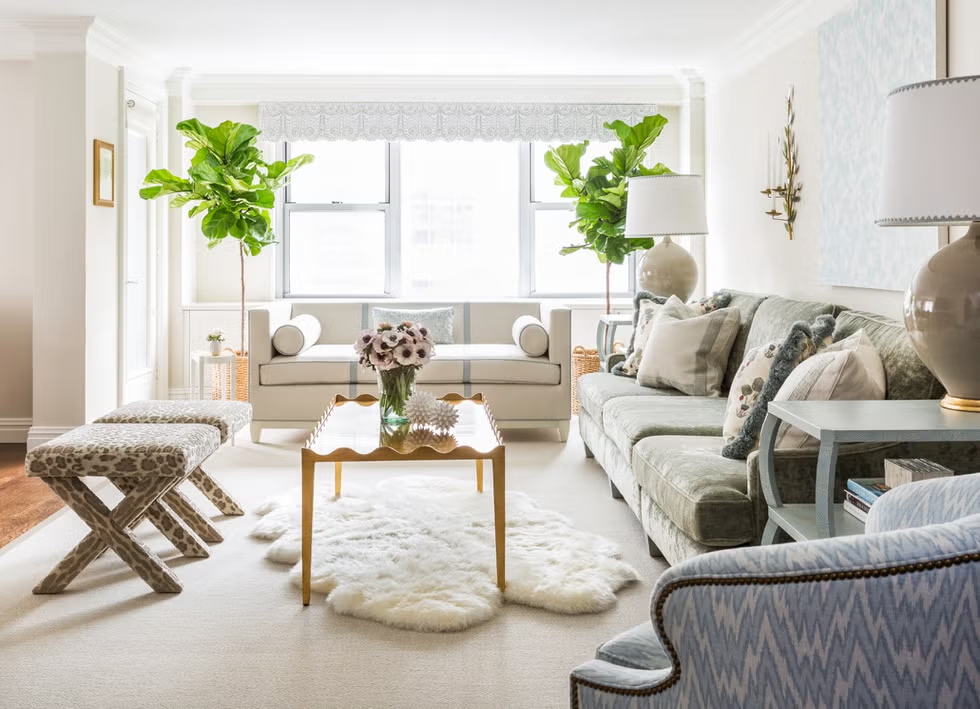
Several design elements significantly improve functionality in smaller homes, including:
- Open floor plans that reduce wasted space
- Built-in storage and cabinetry
- Multiuse rooms (such as offices that double as guest spaces)
- Large windows that enhance natural light
- Outdoor living areas like patios or balconies
These features help smaller homes feel more spacious and adaptable without increasing square footage.
Is it harder to finance a smaller home?
Generally, no. Most smaller homes qualify for conventional mortgages as long as they meet local building codes and appraisal standards. Financing challenges are more common with unconventional properties, such as very small tiny homes on wheels or homes without permanent foundations. Standard small single-family homes, townhomes, and condos are widely financeable through traditional lenders.
Do smaller homes appeal more to specific age groups?
Yes, but interest spans multiple demographics. Younger buyers often favor smaller homes for affordability and lifestyle flexibility, while older buyers and empty nesters are drawn to lower maintenance and simplified living. Increasingly, middle-aged buyers are also choosing smaller homes to reduce expenses or shift spending toward travel, education, or retirement planning.
How do neighborhood amenities affect the value of smaller homes?
Neighborhood amenities can significantly increase the value and livability of smaller homes. Access to parks, public transit, schools, retail, and dining effectively expands usable living space beyond the home itself. In amenity-rich areas, buyers are often willing to accept smaller interiors in exchange for convenience, community engagement, and reduced reliance on cars.
Are smaller homes better for sustainability?
In many cases, yes. Smaller homes typically require fewer building materials, consume less energy, and generate lower utility usage over time. When paired with modern insulation, energy-efficient appliances, and sustainable site planning, smaller homes can have a significantly reduced environmental footprint compared to larger residences.
What should buyers know about space efficiency before purchasing?
Buyers should focus on how space is used rather than how much space there is. Key considerations include storage capacity, room flexibility, ceiling height, natural light, and traffic flow. Touring similar-sized homes and visualizing daily routines can help buyers assess whether a smaller layout will function comfortably for their lifestyle over the long term.
Compact Living as Contemporary Context
The rise of smaller homes signals more than a market trend—it reflects a deeper cultural reassessment of how Americans value space, money, time, and community. Smaller homes aren’t simply a reaction to economic pressures; they’re a pragmatic and intentional choice for many households seeking balance in an era of shifting priorities.
Key Highlights of Today’s Small Home Movement
- Purposeful downsizing aligns with contemporary lifestyle goals
- Efficient design often equals greater functional comfort
- Financial predictability appeals across age groups
- Sustainable choices are increasingly part of home selection
 Robert Weber