


Summary
Higher mortgage rates are reshaping American homeownership by altering affordability, buyer behavior, and long-term financial planning. While rising rates don’t eliminate demand, they change who can buy, when buyers act, and how households think about housing as both a place to live and a financial asset. Understanding these shifts is essential for navigating today’s housing market.
Introduction: Why Mortgage Rates Matter More Than the Headlines Suggest
Mortgage rates influence far more than monthly payments. Over time, they shape who becomes a homeowner, how long people stay in their homes, and how wealth accumulates across generations. In the U.S., where long-term fixed-rate mortgages are common, changes in rates ripple through household budgets, regional housing markets, and even labor mobility.
Since rates began rising sharply after years of historic lows, many Americans have asked the same question: What does this mean for homeownership in the long run? The answer is nuanced. Higher rates do not simply “price people out.” Instead, they change incentives, timelines, and trade-offs in ways that will influence housing decisions for years to come.
How Higher Mortgage Rates Reshape Affordability Over Time
Affordability is the most immediate and visible impact of higher mortgage rates. Even a one-point increase can add hundreds of dollars to a monthly payment, depending on loan size. Over a 30-year mortgage, that difference compounds into tens or even hundreds of thousands of dollars in additional interest.
For many households, this doesn’t mean abandoning homeownership altogether—it means adjusting expectations. Buyers may look at smaller homes, different neighborhoods, or longer saving timelines. Over time, this recalibration becomes normalized, subtly redefining what “entry-level” housing looks like in different markets.
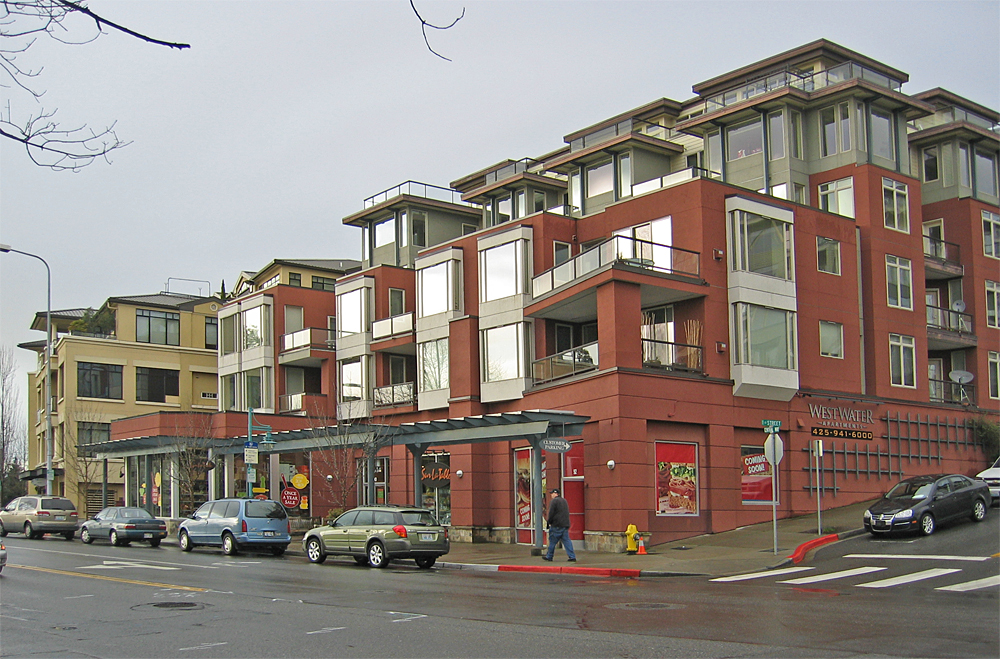
Higher rates also reduce purchasing power. A buyer who could afford a $400,000 home at 3% may only qualify for $325,000 at 6.5%, even with the same income and credit profile. This gap influences demand patterns, pushing more buyers toward condos, townhomes, or emerging suburban and exurban areas.
The Lock-In Effect and Its Long-Term Consequences
One of the most significant long-term impacts of higher mortgage rates is the so-called lock-in effect. Millions of homeowners secured mortgages at rates well below current levels. Selling their home now often means giving up a 3% loan and taking on a new one at double the rate.
Over time, this creates several structural shifts:
- Fewer existing homes come to market, constraining supply.
- Homeowners stay in place longer, even when their housing needs change.
- Job mobility declines when people hesitate to relocate and reset their mortgage terms.
This reduced turnover doesn’t just affect buyers—it alters the entire housing ecosystem, from construction trends to local tax bases.
First-Time Buyers Face a Different Path to Ownership
Higher mortgage rates disproportionately affect first-time buyers, who typically lack home equity and have smaller down payments. While experienced homeowners may use accumulated equity to offset higher rates, new buyers must rely primarily on income and savings.
In response, many first-time buyers are:
- Delaying purchases to build larger down payments
- Exploring adjustable-rate mortgages or rate buydowns
- Leaning more heavily on family assistance
Over the long term, these delays can shift the average age of first-time homeownership upward, a trend already visible in U.S. Census and housing data.

Renting Longer—and What That Means Financially
As buying becomes more expensive, renting often looks like the safer short-term option. But over long periods, extended renting can have mixed financial outcomes. Renters avoid high interest costs and maintenance expenses, yet they miss out on home price appreciation and forced savings through principal payments.
In higher-rate environments, the rent-versus-buy decision becomes more contextual. In some regions, renting remains significantly cheaper; in others, high rents narrow the gap. Over time, this dynamic influences wealth accumulation patterns, particularly for middle-income households.
Regional and Market-Level Impacts
Higher mortgage rates do not affect all housing markets equally. Areas with strong job growth, limited housing supply, or high-income populations tend to be more resilient. In contrast, markets that experienced rapid price growth during low-rate periods may see slower appreciation or extended plateaus.
Long term, this divergence can:
- Shift population growth toward more affordable regions
- Encourage local governments to revisit zoning and housing supply policies
- Redefine which cities are considered “starter markets” versus long-term holds
Builders, Supply, and the New Economics of Construction
Homebuilders are also adapting. Higher rates reduce buyer demand for large, expensive homes, encouraging builders to pivot toward smaller floor plans, attached housing, and incentive-driven pricing. Rate buydowns, closing cost assistance, and flexible financing options have become standard tools.
Over time, these shifts may modestly expand attainable housing supply—but construction costs, labor shortages, and regulatory hurdles limit how quickly builders can respond.
Long-Term Wealth Implications for Homeowners
Despite higher borrowing costs, homeownership remains a primary wealth-building mechanism for many Americans. Even when appreciation slows, fixed-rate mortgages provide payment stability, insulating homeowners from rent inflation over time.
Higher rates may reduce speculative buying, leading to more sustainable price growth. For long-term owners, this environment can favor stability over rapid gains—less volatility, fewer bubbles, and steadier equity accumulation.
How Buyers Are Adapting Strategically
Experienced buyers increasingly approach higher-rate environments with strategy rather than urgency. Common approaches include:
- Buying with the intention to refinance later
- Prioritizing homes that meet long-term needs to avoid future moves
- Focusing on total housing cost rather than purchase price alone
These behaviors suggest that higher rates may foster more deliberate, financially grounded homeownership decisions over time.
Frequently Asked Questions
Are higher mortgage rates permanent?
Mortgage rates move with economic conditions and inflation. While today’s rates may persist longer than many expect, they are unlikely to remain static over decades.
Should buyers wait for rates to fall before purchasing?
Waiting can make sense for some, but it carries risks, including rising home prices and increased competition if rates decline.
Do higher rates always mean lower home prices?
Not necessarily. Prices depend on supply, demand, and local conditions. Rates influence prices, but they are only one factor.
How do higher rates affect refinancing options?
Refinancing becomes less attractive unless rates fall significantly below the original loan rate.
Are adjustable-rate mortgages riskier in high-rate environments?
They can be, especially if rates remain elevated when the adjustment period begins. They require careful planning.
Does higher interest mean renting is always better?
Not always. The decision depends on time horizon, local rent trends, and personal financial goals.
How do higher rates impact housing inventory?
They tend to reduce inventory by discouraging existing homeowners from selling.
Can higher rates improve market stability?
Yes. They often reduce speculative demand and rapid price swings, contributing to steadier growth.
What role does income growth play?
Income growth can offset higher rates over time, restoring affordability even if rates stay elevated.
Navigating a Housing Market Redefined by Cost of Capital
Higher mortgage rates are not a temporary inconvenience—they represent a structural shift in how Americans approach homeownership. While they create challenges, they also encourage more thoughtful decision-making, realistic pricing, and long-term planning. For buyers and owners alike, understanding these dynamics is more valuable than trying to time the next rate cycle.
What This Means Moving Forward
- Higher rates reshape when and how people buy, not whether they aspire to own
- Supply constraints and homeowner lock-in will continue influencing prices
- Long-term planning matters more than short-term rate movements
- Homeownership remains viable, but paths to it are more varied
 Robert Weber