

Summary
Recent U.S. construction trends offer clear signals about how Americans want to live, work, and afford housing in the years ahead. From smaller home footprints to regional building shifts, today’s construction decisions reflect deeper demographic, economic, and lifestyle changes that are reshaping future housing needs nationwide.
Reading Construction Trends as Early Signals
Residential construction is often discussed in terms of starts, permits, and completion numbers. While those metrics matter, they only tell part of the story. The more revealing insights come from what is being built, where it’s happening, and how builders are responding to constraints like labor shortages, material costs, zoning rules, and buyer demand.
Builders typically adjust faster than policymakers or lenders. As a result, construction trends function as an early warning system for future housing needs—long before they show up clearly in price data or census reports.
In the past five years, U.S. residential construction has shifted in noticeable ways that reflect changing household sizes, work patterns, affordability pressures, and regional migration. Understanding these shifts helps buyers, investors, planners, and local governments make more informed long-term decisions.
Smaller Homes Are Becoming the Norm, Not the Exception
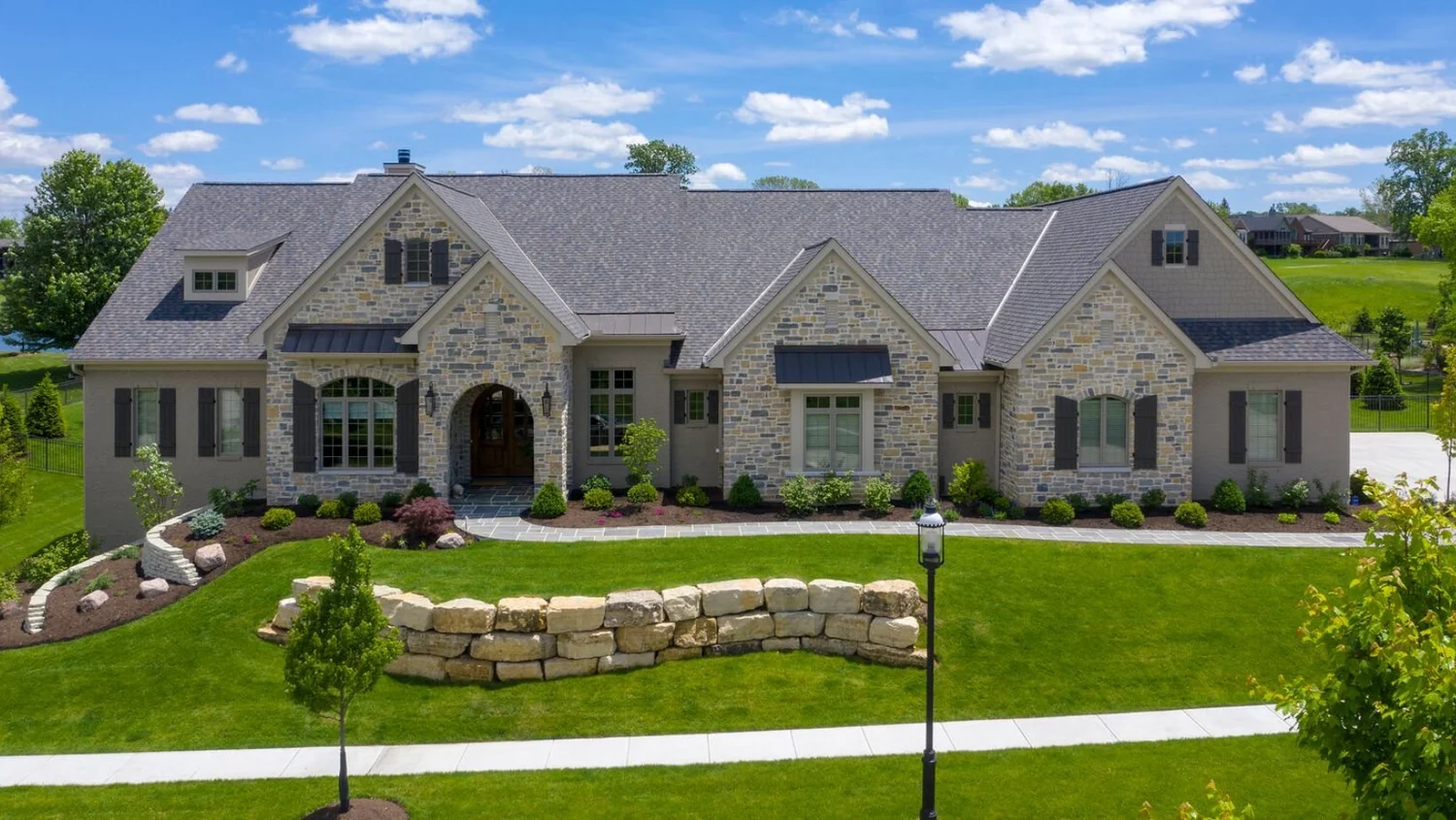
One of the most consistent trends across U.S. housing starts is the gradual reduction in average new-home size. According to data from the U.S. Census Bureau, the median size of newly constructed single-family homes has declined from its mid-2010s peak, even as prices have continued to rise.
This shift is not primarily about aesthetics. It reflects several practical realities:
• Higher land and construction costs
• Mortgage rate sensitivity
• Smaller household sizes
• Greater interest in efficiency over excess space
Builders are prioritizing layouts that use square footage more effectively rather than expanding total size. Open floor plans, flexible rooms, and integrated storage have replaced rarely used formal spaces.
From a future housing perspective, this suggests that demand will continue to favor:
– Modest-sized homes with adaptable interiors
– Floor plans that accommodate multiple uses
– Lower maintenance requirements
The trend also signals a recalibration of what Americans consider “enough house,” particularly among first-time buyers and downsizing households.
Multifamily Construction Reflects Long-Term Affordability Pressures
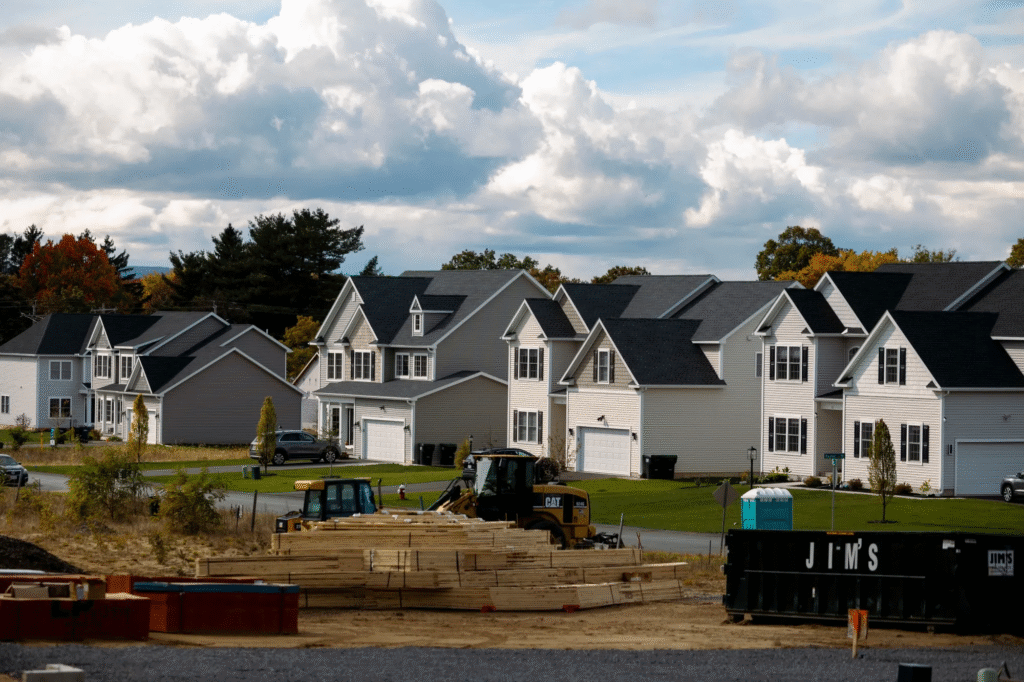
While single-family construction remains essential, multifamily housing has taken on a more central role in meeting future demand. Apartment buildings, townhomes, and duplex-style developments account for a growing share of new housing supply in many metropolitan areas.
This is not a temporary response to market volatility. It reflects structural affordability challenges that make traditional single-family ownership harder to reach for many households.
Recent multifamily construction trends highlight several important shifts:
• More units designed for long-term renters, not short-term turnover
• Increased emphasis on soundproofing and durability
• Growth in suburban and secondary-city multifamily projects
Developers are responding to renters who expect stability, not transience. That expectation is shaping building materials, unit layouts, and amenity choices.
Looking ahead, this trend suggests that rental housing will remain a core component of U.S. housing needs—not a transitional phase for younger households, but a long-term option across income and age groups.
Regional Construction Patterns Reveal Where Demand Is Heading
Where homes are being built matters as much as how they are built. Over the past decade, construction activity has increasingly shifted toward the Southeast, Southwest, and Mountain West regions.
States such as Texas, Florida, Arizona, and the Carolinas have consistently led the nation in housing starts. The drivers behind this trend include:
• Population migration from higher-cost coastal markets
• Lower land availability constraints
• Business and job growth
• Climate preferences
Builders follow sustained demand, not short-term hype. The persistence of regional construction growth indicates where future housing pressure will likely concentrate.
This geographic shift also reveals a growing mismatch between housing demand and infrastructure readiness. Many fast-growing regions now face challenges related to transportation, water systems, and local zoning—issues that will shape future housing policy debates.
Construction Choices Reflect Changing Work Patterns
Remote and hybrid work have altered housing demand in ways that continue to influence construction design. While early discussions focused on “home offices,” recent building trends show a more nuanced response.
Rather than dedicating entire rooms solely to work, builders are creating:
• Flexible spaces that shift between work and personal use
• Secondary living areas with improved acoustics
• Shared community amenities in multifamily developments
This approach reflects uncertainty about long-term work arrangements while acknowledging that work-from-home flexibility is here to stay in some form.
Future housing needs will likely favor adaptability over specialization. Homes that can evolve with changing work patterns will retain value more effectively than those built around rigid assumptions.
Labor and Material Constraints Are Reshaping Housing Supply
Construction trends are not driven by demand alone. Labor availability and material costs have played a significant role in shaping what gets built.
The National Association of Home Builders has repeatedly reported skilled labor shortages as a limiting factor in housing production. These shortages encourage builders to favor designs that are:
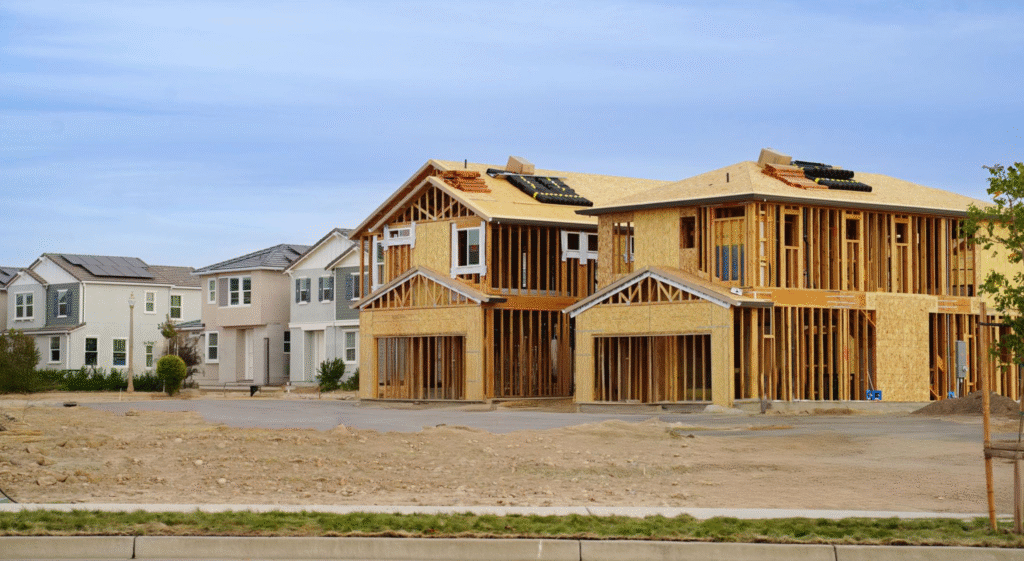
• Faster to construct
• Less labor-intensive
• More standardized
As a result, future housing supply may emphasize repeatable models rather than highly customized builds. Modular and panelized construction methods are gaining traction, not because they are new, but because they offer predictability in an unpredictable labor environment.
This trend suggests that scaling housing supply will depend as much on construction efficiency as on land availability or financing.
Sustainability Features Are Becoming Baseline Expectations
Energy efficiency and sustainability are no longer niche considerations. Recent construction trends show these features becoming standard rather than optional, driven by both regulatory requirements and buyer expectations.
Common inclusions now often include:
– Improved insulation and window performance
– Energy-efficient HVAC systems
– Solar-ready roof designs
– Water-saving fixtures
These features respond to rising utility costs and climate concerns, but they also reflect long-term cost-of-ownership thinking among buyers and renters.
From a future housing perspective, sustainability is less about environmental signaling and more about financial resilience. Homes that reduce ongoing operating costs align more closely with affordability realities.
Zoning Constraints Are Steering What Gets Built
Local zoning regulations continue to exert strong influence over construction trends. In many urban and suburban markets, restrictions on density and land use limit the ability to build the types of housing most needed.
In response, builders are increasingly focusing on:
• Infill projects where zoning allows
• Smaller lot developments
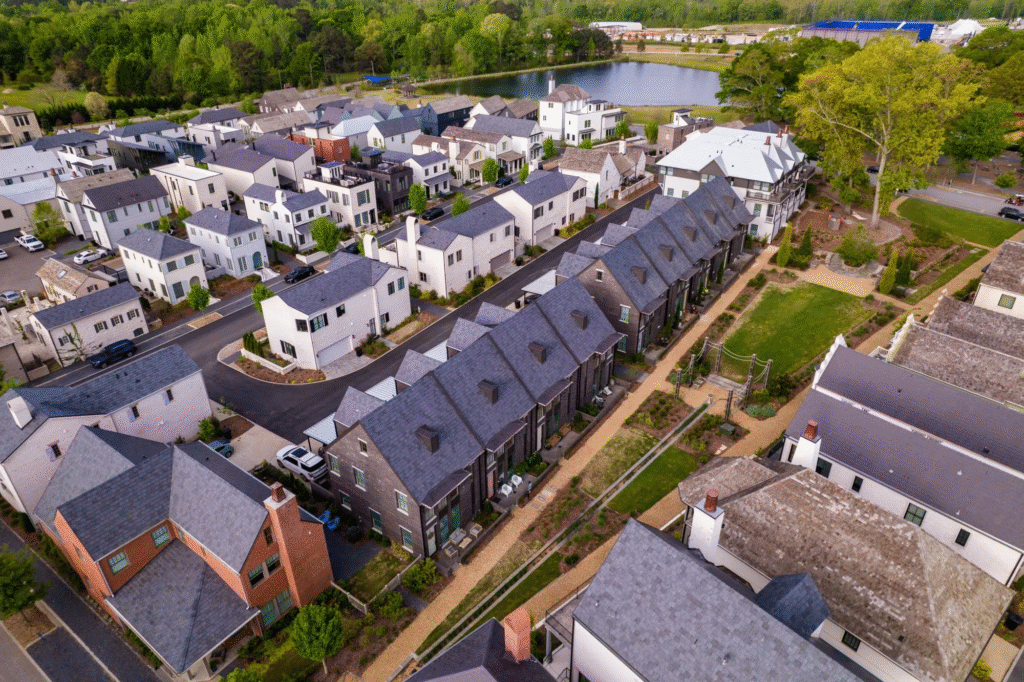
• Townhome-style housing that fits existing codes
These workarounds reveal a growing tension between housing demand and regulatory frameworks. Unless zoning policies evolve, future housing supply may struggle to keep pace with population growth in high-demand areas.
Construction trends suggest that regulatory reform—not just market forces—will play a defining role in shaping housing availability over the next decade.
What Construction Trends Say About Future Buyers
Taken together, recent construction patterns point to a future housing market shaped by pragmatism rather than excess. Buyers and renters are signaling clear priorities through their choices:
• Affordability over size
• Flexibility over specialization
• Location efficiency over prestige
• Operating costs over headline price
Builders who respond to these signals are not simply reacting to current conditions—they are shaping the housing stock that will serve Americans for decades.
Questions Americans Are Asking About Construction Trends
Why are new homes getting smaller?
Rising costs, affordability pressures, and changing household needs are driving more efficient designs.
Is multifamily housing replacing single-family homes?
Not replacing, but complementing—especially in high-demand and high-cost regions.
Which regions will see the most new housing?
The Southeast, Southwest, and Mountain West continue to lead due to population growth.
How does construction affect housing affordability?
Construction costs directly influence prices and rents, shaping long-term affordability.
Are sustainable features worth the cost?
They often reduce long-term expenses and improve resale value.
Will remote work keep influencing home design?
Yes, but with a focus on flexible spaces rather than dedicated offices.
Why can’t builders just build more homes faster?
Labor shortages, zoning rules, and infrastructure limits slow production.
Are modular homes becoming more common?
They are gaining traction as a way to manage labor and cost volatility.
What do construction trends mean for first-time buyers?
Smaller, more efficient homes and townhomes may offer more entry points.
A Housing Future Built on Constraints—and Choices
Recent construction trends reveal a housing future shaped less by aspiration and more by adaptation. Builders are responding to real constraints—costs, labor, land, and regulation—while trying to meet evolving household needs. The homes rising today are not just products of current markets; they are blueprints for how Americans will live tomorrow.
Key Signals Emerging from Today’s Building Patterns
- Efficiency is replacing excess as a core design principle
- Multifamily housing is becoming a long-term solution, not a stopgap
- Regional growth patterns are reshaping national housing demand
- Flexibility is valued more than specialization
- Construction capacity, not demand, may define future supply
 Robert Weber