


Summary
Climate risk and infrastructure quality are now central to U.S. homebuying decisions. From flood exposure and wildfire zones to power reliability, water systems, and transportation access, buyers are weighing long-term resilience alongside price and location. This shift reflects rising insurance costs, public investment gaps, and a growing awareness that where—and how—a home functions matters as much as what it costs.
Introduction: A Broader Definition of “Good Location”
For decades, American homebuyers were taught to focus on a familiar shortlist: neighborhood safety, school districts, commute times, and resale value. While those factors still matter, they are no longer sufficient on their own. Climate conditions and infrastructure performance—once background considerations—have moved into the foreground of real estate decision-making.
Extreme weather events are more frequent and visible. Aging roads, power grids, and water systems are under stress. Insurance premiums fluctuate sharply by region. Buyers are responding by asking different questions, often earlier in the process: Will this home still be affordable to insure in ten years? Can the local grid handle heat waves? How resilient is this community if systems fail?
This article explores how climate and infrastructure are reshaping homebuying priorities in the United States, why these factors now influence both affordability and livability, and how buyers can evaluate risks with greater confidence.
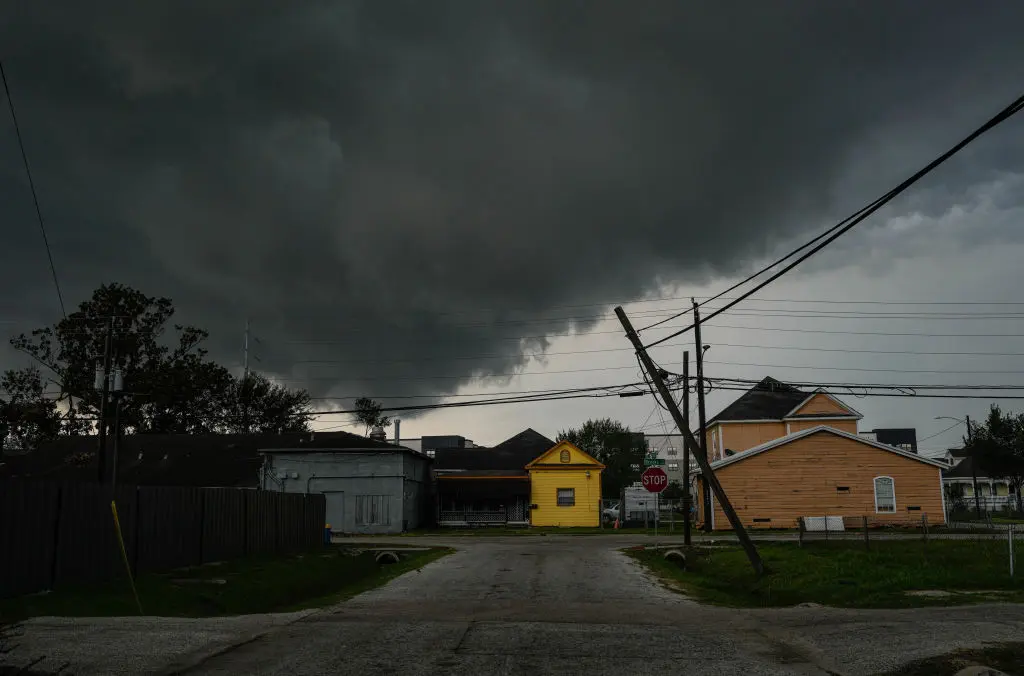
Why Climate Risk Is No Longer a Peripheral Concern
Climate-related risks used to feel abstract for many buyers. Today, they show up directly in monthly expenses, financing options, and resale assumptions.
Flood-prone areas, wildfire zones, hurricane corridors, and extreme heat regions are experiencing measurable effects on housing costs. According to the National Oceanic and Atmospheric Administration, the U.S. now averages more than 20 billion-dollar weather disasters per year—up sharply from prior decades. These events influence insurance pricing, property taxes, and maintenance costs.
Buyers increasingly encounter climate risk during the transaction itself. Lenders may require additional disclosures. Insurers may limit coverage or raise deductibles. Some policies exclude certain hazards altogether. What once felt like a distant possibility now affects whether a deal closes.
Importantly, climate risk does not affect only coastal or rural markets. Inland flooding, urban heat islands, and drought-related water constraints increasingly shape decisions in suburban and metro areas across the country.
Insurance Costs Are Driving Awareness Faster Than Headlines
One of the clearest ways climate risk enters homebuying decisions is through insurance availability and pricing. Homeowners insurance, once relatively predictable, has become volatile in many regions.
In states such as Florida, California, Louisiana, and Texas, insurers have reduced coverage, exited markets, or imposed significant premium increases. Buyers who qualify for a mortgage may still struggle to secure affordable insurance, reshaping their definition of what they can afford.
This dynamic has changed buyer behavior in subtle but important ways:
- Buyers are requesting insurance quotes earlier in the process
- Real estate agents are flagging insurability as a negotiation issue
- Some buyers are avoiding high-risk ZIP codes altogether
The result is a market where climate exposure influences demand patterns, not just long-term outcomes.
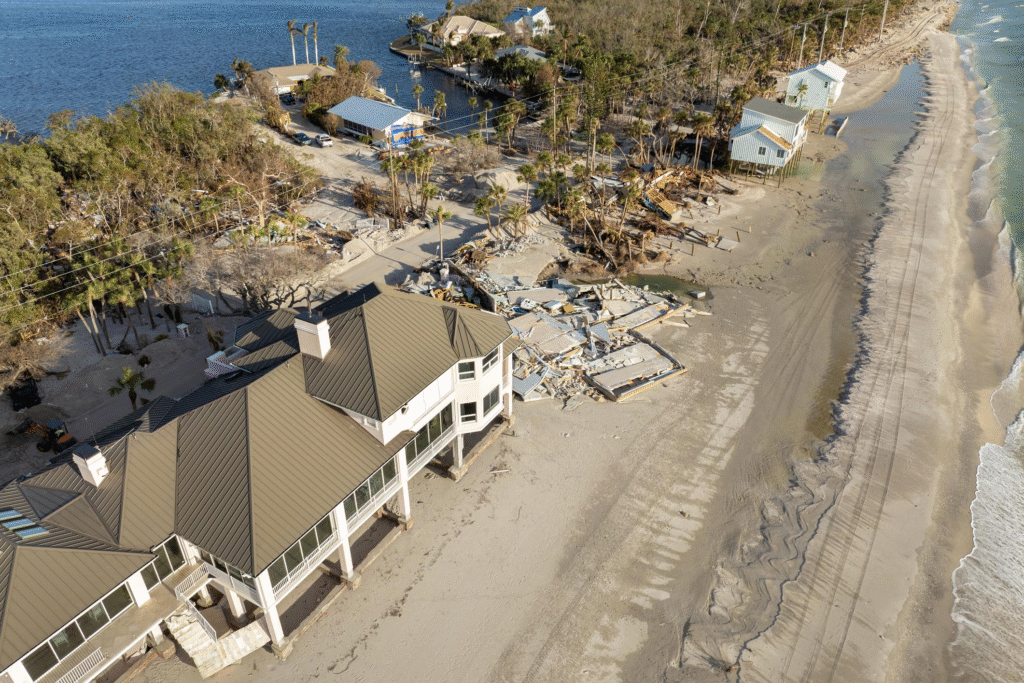
Infrastructure: The Hidden System Supporting Home Value
While climate risk captures headlines, infrastructure quietly shapes everyday quality of life. Roads, bridges, power grids, water systems, broadband access, and public transportation all affect how a home functions.
Much of America’s infrastructure is aging. The American Society of Civil Engineers consistently gives U.S. infrastructure mediocre grades, citing deferred maintenance and underinvestment. Buyers may not see these systems directly, but they feel the effects through outages, water quality advisories, and unreliable transportation.
Infrastructure quality increasingly intersects with climate resilience. A community’s ability to withstand storms, heat waves, or drought depends on the strength and adaptability of its systems. Buyers are beginning to recognize that infrastructure is not just a public issue—it is a personal one.
Power Reliability and the Rise of Resilient Homes
Power outages have become more frequent in many regions due to extreme weather, grid stress, and wildfire prevention measures. As a result, buyers are paying closer attention to electrical reliability and backup options.
Homes with features such as updated electrical panels, solar panels, battery storage, or whole-home generators often stand out. Even when these features are not present, buyers ask whether local utilities have invested in grid hardening or underground lines.
In regions prone to heat waves or winter storms, power reliability directly affects safety and comfort. Buyers with remote work arrangements are especially sensitive to outages that disrupt income or productivity.
Water Systems, Drought, and Long-Term Viability
Water availability and quality are emerging as critical considerations, particularly in the West and Southwest. Drought conditions, shrinking reservoirs, and aging pipes affect both daily living and future development potential.
Homebuyers are increasingly asking:
- Is the home on municipal water or a private well?
- Are there known water restrictions or conservation mandates?
- Has the area faced contamination issues or boil-water advisories?
Water infrastructure also influences landscaping costs, resale appeal, and local growth prospects. Communities that invest in sustainable water management often appear more stable to long-term buyers.
Transportation Infrastructure and Changing Commutes
Infrastructure considerations extend beyond utilities. Transportation access—roads, public transit, and walkability—shapes both climate impact and lifestyle flexibility.
As hybrid and remote work become more common, buyers reassess how often they need to commute and what modes are available. Areas with reliable transit or well-maintained road networks offer resilience when fuel prices rise or weather disrupts travel.
Infrastructure investment can also signal future growth. Buyers often view new transit projects or roadway improvements as indicators of long-term value, while deteriorating systems may raise concerns about municipal finances.
Data Tools Buyers Are Using to Evaluate Risk
Today’s buyers have access to more data than ever, and many are using it. Climate risk scores, flood maps, heat projections, and infrastructure investment plans are increasingly part of due diligence.
Common tools and sources include:
- FEMA flood maps and local floodplain data
- State wildfire risk assessments
- Utility reliability reports and outage histories
- Municipal capital improvement plans
While no single metric tells the full story, informed buyers combine data with local insight, professional advice, and personal risk tolerance.
How Sellers and Builders Are Responding
The growing emphasis on climate and infrastructure has not gone unnoticed by sellers and developers. In some markets, resilience features are becoming selling points rather than afterthoughts.
Builders incorporate flood-resistant materials, improved drainage, energy-efficient systems, and fire-resistant landscaping. Sellers highlight recent infrastructure upgrades or community investments. In certain regions, disclosures now include climate-related risks more explicitly.
These shifts suggest that climate and infrastructure considerations are becoming embedded in market norms, not just buyer preferences.
Balancing Risk, Cost, and Quality of Life
Not every buyer will—or should—avoid areas with climate exposure. Risk is relative, and many communities are actively adapting. The key is understanding trade-offs.
A coastal home may offer lifestyle benefits that outweigh insurance costs for some buyers. A desert city may invest heavily in water efficiency and grid resilience. Infrastructure quality often varies block by block, not just city by city.
Successful buyers approach climate and infrastructure as part of a broader decision framework rather than as binary deal-breakers.

Frequently Asked Questions
How do I check climate risk for a specific home?
Use FEMA flood maps, state environmental agencies, and third-party climate risk tools, then verify findings with local experts.
Does climate risk affect mortgage approval?
Indirectly. Lenders focus on insurability and appraisal value, which climate risk can influence.
Are infrastructure issues priced into home values?
Increasingly, yes—especially where outages or system failures are common.
Should I avoid buying in high-risk areas entirely?
Not necessarily. Understand the risks, mitigation efforts, and long-term costs before deciding.
Do newer homes handle climate risks better?
Often, but not always. Building codes vary, and location still matters.
How does infrastructure investment affect resale value?
Well-maintained systems and planned upgrades often support stronger long-term demand.
Can home improvements reduce climate-related insurance costs?
In some cases, yes—especially for wind, fire, or flood mitigation.
Is climate risk more important than price?
It depends on time horizon, financial flexibility, and personal priorities.
Are cities adapting fast enough?
Adaptation varies widely. Local policy and funding play a major role.
What a “Future-Ready” Home Really Means
A future-ready home is not defined by fear of climate change, but by preparedness. Buyers who account for climate and infrastructure realities position themselves for stability rather than surprise. They ask broader questions, consider longer timelines, and recognize that resilience is part of value.
As these factors continue to shape the housing market, informed decision-making becomes a competitive advantage—not just for investors, but for everyday homeowners planning their lives.
Key Signals Buyers Should Watch Going Forward
- Infrastructure funding trends at the local and state level
- Insurance market behavior in specific regions
- Updated building codes and resilience standards
- Utility reliability metrics and outage histories
- Public disclosure practices related to climate risk
 Robert Weber