

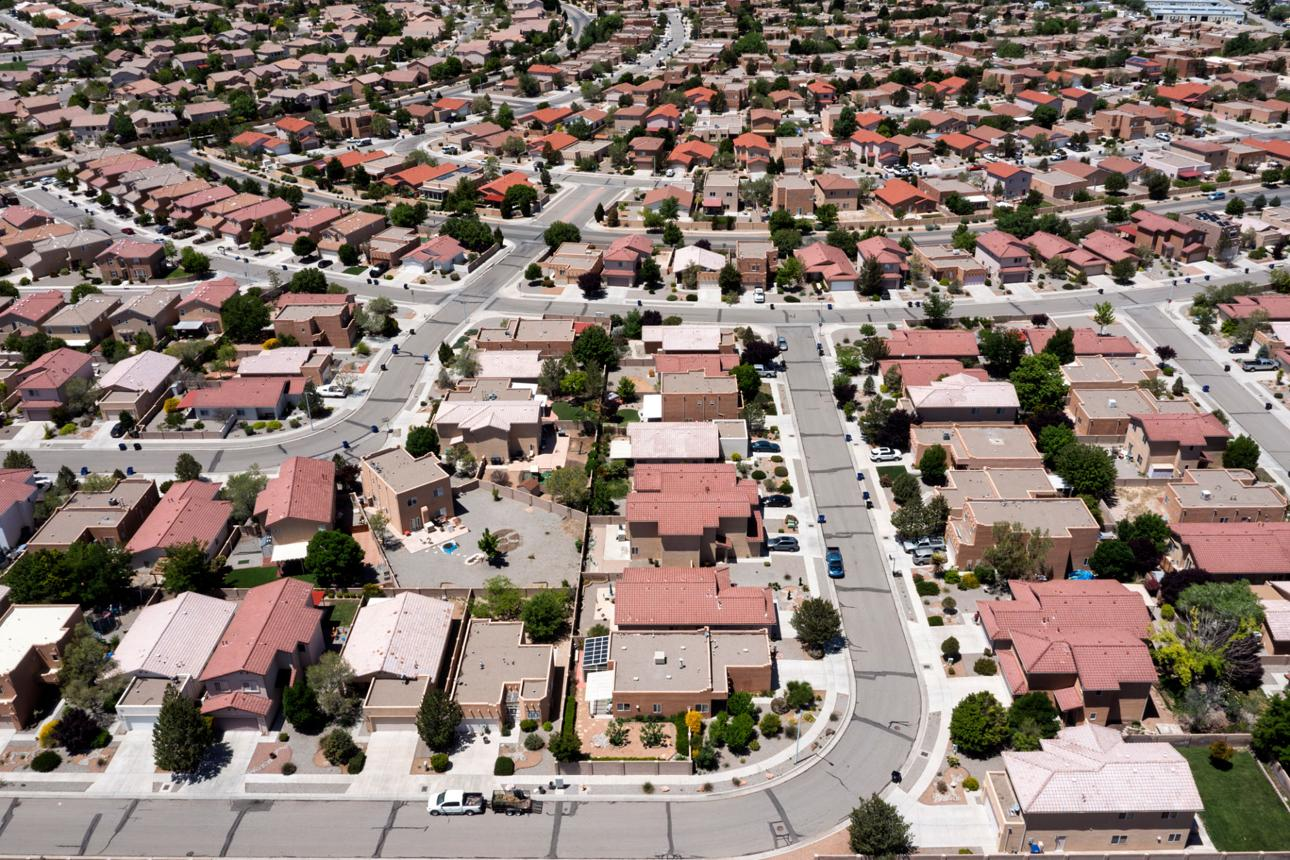
Today’s U.S. homebuyers are looking beyond location, prioritizing affordability, flexibility, energy efficiency, and long-term livability. Remote work, rising interest rates, and shifting demographics are reshaping purchasing decisions. This article explores what modern buyers value most, why these preferences are evolving, and how sellers, investors, and first-time buyers can make informed decisions in a more complex housing market.
The End of “Location Is Everything”
For decades, real estate decisions in the United States revolved around a single guiding principle: location. Proximity to downtown areas, school districts, and employment hubs defined property value and buyer interest. While location still matters, it no longer dominates decision-making in the same way.
Several forces have reshaped this traditional framework. Remote and hybrid work models have reduced the necessity of commuting daily. According to data from the U.S. Census Bureau, a significant share of the workforce continues to operate outside traditional office settings, even years after the pandemic peak. This has broadened acceptable living areas for many buyers.
As a result, buyers are now evaluating homes through a more holistic lens—one that includes lifestyle flexibility, financial sustainability, and long-term usability.
Affordability Takes Center Stage
Perhaps the most defining factor in today’s housing market is affordability. Rising mortgage rates and elevated home prices have shifted buyer behavior across income levels.
Data from the National Association of Realtors shows that affordability constraints are now the top concern for first-time buyers. Monthly payment predictability, rather than purchase price alone, has become a primary consideration.
Buyers are increasingly asking:
- Can I comfortably afford this home if interest rates remain high?
- Will property taxes or insurance increase significantly over time?
- Is this purchase sustainable if my income changes?
For example, a buyer in Austin, Texas may choose a slightly smaller home farther from the city center if it reduces monthly costs by several hundred dollars. This trade-off reflects a broader shift toward financial resilience over prestige.
Space, Flexibility, and Functionality
The modern home is no longer just a place to live—it is often a workplace, classroom, gym, and social hub. This multifunctional role has elevated the importance of flexible space.
Buyers are prioritizing:
- Dedicated home offices or adaptable rooms
- Open layouts that support multiple uses
- Outdoor spaces such as patios or small yards
- Storage capacity for long-term living
A 2024 housing trends report from Zillow indicates that listings mentioning “home office” or “flex space” receive significantly more engagement than traditional descriptions.
Consider a dual-income household working remotely. Instead of prioritizing proximity to downtown, they may choose a suburban property with two separate office spaces, even if it means a longer occasional commute.

The Rise of Energy Efficiency and Sustainability
Energy efficiency has transitioned from a niche preference to a mainstream priority. With rising utility costs and increased environmental awareness, buyers are evaluating homes based on long-term operating expenses.
Key features in demand include:
- Solar panels and renewable energy systems
- Energy-efficient windows and insulation
- Smart thermostats and appliances
- Modern HVAC systems
According to the U.S. Department of Energy, energy-efficient homes can reduce annual utility costs by 20–30%, making them more attractive in a high-cost environment.
In practical terms, a buyer comparing two similar homes may choose the one with slightly higher upfront cost if it offers lower monthly energy expenses. This reflects a shift toward total cost of ownership rather than initial price alone.
Migration Patterns and Lifestyle Preferences
Changing lifestyle priorities have also reshaped where Americans choose to live. Secondary cities and suburban markets have seen increased demand, while some high-cost urban centers have stabilized.
Reports from Redfin highlight continued migration toward regions offering:
- Lower cost of living
- Access to outdoor recreation
- Less population density
- Favorable tax environments
Cities like Nashville, Raleigh, and Boise have benefited from this trend, attracting buyers who value quality of life over traditional urban advantages.
For many households, the decision is no longer “Where is the best job market?” but rather “Where can we build a sustainable lifestyle?”

Technology Is Changing How Buyers Evaluate Homes
Digital tools have significantly altered the homebuying process. Buyers now conduct extensive research before ever stepping into a property.
Common tools include:
- Virtual tours and 3D walkthroughs
- Online valuation models
- Neighborhood analytics platforms
- Mortgage calculators and affordability tools
Platforms like Realtor.com and Redfin provide detailed insights into pricing trends, days on market, and neighborhood data.
This increased transparency has made buyers more informed—and often more cautious. Decisions are less emotional and more data-driven than in previous cycles.
The Importance of Long-Term Livability
Today’s buyers are thinking beyond immediate needs. Long-term livability has become a central consideration, especially given economic uncertainty.
Key questions include:
- Will this home meet my needs in 5–10 years?
- Can the space adapt to life changes (children, aging parents)?
- Is the neighborhood stable and likely to retain value?
For example, a young couple may prioritize a home with an extra bedroom not for current use, but for future flexibility. Similarly, aging buyers may seek single-story layouts or homes with accessibility features.
This forward-looking mindset reflects a more cautious and strategic approach to homeownership.
Community and Amenities Matter More Than Ever
While proximity to work may be less critical, community quality has gained importance. Buyers are evaluating neighborhoods based on lifestyle compatibility.
Highly valued factors include:
- Walkability and local amenities
- Access to parks and green spaces
- School quality and safety
- Community engagement and culture
Interestingly, buyers are often willing to compromise on home size or finishes if the surrounding community aligns with their lifestyle preferences.
What This Means for Sellers and Investors
Understanding these evolving priorities is essential for anyone participating in the housing market.
Sellers should consider:
- Highlighting functional spaces (home offices, flexible rooms)
- Investing in energy-efficient upgrades
- Providing transparent cost information (utilities, taxes)
- Emphasizing neighborhood lifestyle benefits
Investors, meanwhile, should focus on markets where these trends are strongest—particularly areas experiencing population growth and affordability advantages.
Frequently Asked Questions
1. Is location still important in real estate?
Yes, but it is no longer the sole deciding factor. Buyers now weigh affordability, flexibility, and lifestyle equally.
2. What are the top priorities for U.S. homebuyers in 2026?
Affordability, flexible space, energy efficiency, and long-term livability rank among the most important factors.
3. How has remote work affected housing demand?
Remote work has expanded acceptable living locations, increasing demand in suburban and secondary markets.
4. Are energy-efficient homes worth the investment?
In many cases, yes. Lower utility costs and higher resale value can offset initial expenses.
5. Why are buyers moving away from major cities?
Cost of living, lifestyle preferences, and remote work flexibility are key drivers.
6. What features increase a home’s value today?
Home offices, updated energy systems, and adaptable layouts are highly valued.
7. How can first-time buyers compete in this market?
By focusing on affordability, getting pre-approved, and being flexible on location and features.
8. Are smaller homes becoming more popular?
Yes, especially when they offer efficient layouts and lower ownership costs.
9. How important is neighborhood quality?
Extremely important—buyers are prioritizing community, safety, and amenities.
10. What should buyers look for in a long-term home?
Adaptability, affordability, and location stability are key considerations.
A Market Defined by Intentional Choices
The U.S. housing market is no longer driven by a single dominant factor. Instead, it reflects a more nuanced and intentional decision-making process. Buyers are balancing financial realities with lifestyle goals, prioritizing homes that support how they live—not just where they live.
This shift signals a more mature and informed market, where long-term value, adaptability, and sustainability carry as much weight as geography once did.
Key Insights at a Glance
- Buyers are prioritizing affordability over prestige
- Flexible living spaces are now essential
- Energy efficiency is a major decision factor
- Remote work is reshaping geographic preferences
- Long-term livability is guiding purchase decisions
- Technology is making buyers more informed
- Community and lifestyle are increasingly important