

Homeownership in 2026 looks markedly different from a decade ago. Rising interest rates, constrained housing supply, remote work patterns, and affordability pressures are reshaping how Americans buy, finance, and live in homes. Today’s buyers are more strategic, flexible, and financially cautious—prioritizing long-term sustainability, location flexibility, and lifestyle fit over traditional assumptions about ownership and investment.
Introduction: A Market That No Longer Follows Old Playbooks
For generations, homeownership in the United States followed a relatively predictable script: buy as early as possible, stretch for the best location you can afford, and expect steady appreciation over time. In 2026, that script has been rewritten.
Economic volatility, demographic shifts, and structural changes in how Americans live and work have introduced a new set of rules. Mortgage rates remain elevated compared to the ultra-low levels of the early 2020s, while housing inventory continues to lag behind demand in many regions. At the same time, buyers are rethinking what “value” actually means.
The result is a housing market that rewards informed, patient decision-making over speed and speculation.
1. Why Is Homeownership More Complex in 2026?
The first major shift is complexity. Buying a home today involves more variables than it did just a few years ago.
Mortgage rates, which hovered below 3% during the pandemic-era boom, have stabilized in a higher range—often between 6% and 7% depending on credit and loan type. According to data from the Federal Reserve and Freddie Mac, this change alone has significantly altered affordability.
At the same time:
- Home prices remain historically high in many metropolitan areas
- Inventory shortages persist due to underbuilding since the 2008 financial crisis
- Insurance and property tax costs are rising in climate-sensitive regions
This combination creates a reality where monthly ownership costs—not just purchase price—drive decisions.
Example:
A buyer in Austin, Texas, who could comfortably afford a $500,000 home in 2021 may now face the same monthly payment on a $380,000 property due to higher interest rates. This recalibration is forcing buyers to rethink budgets and expectations.
2. What Are Buyers Prioritizing Now?
The definition of a “good home” has shifted in meaningful ways. Today’s buyers are less focused on status-driven features and more focused on functionality and long-term livability.
Key priorities include:
- Affordability over size: Smaller homes with manageable payments are gaining traction
- Flexible spaces: Home offices or adaptable rooms remain essential
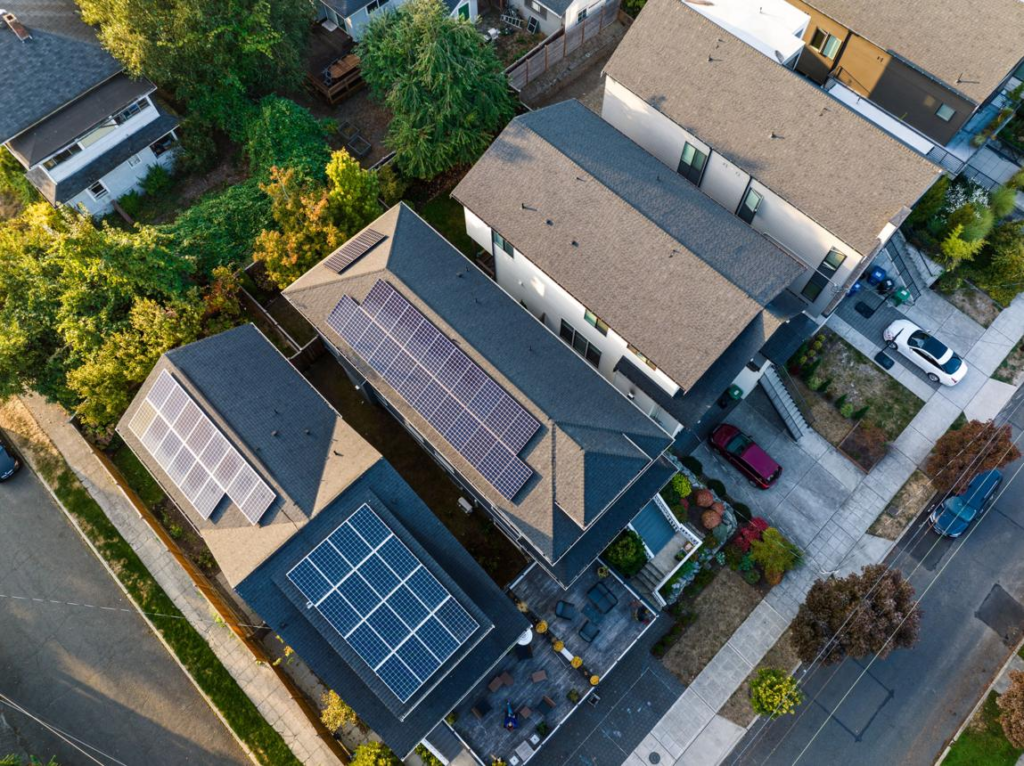
- Energy efficiency: Rising utility costs are pushing buyers toward sustainable homes
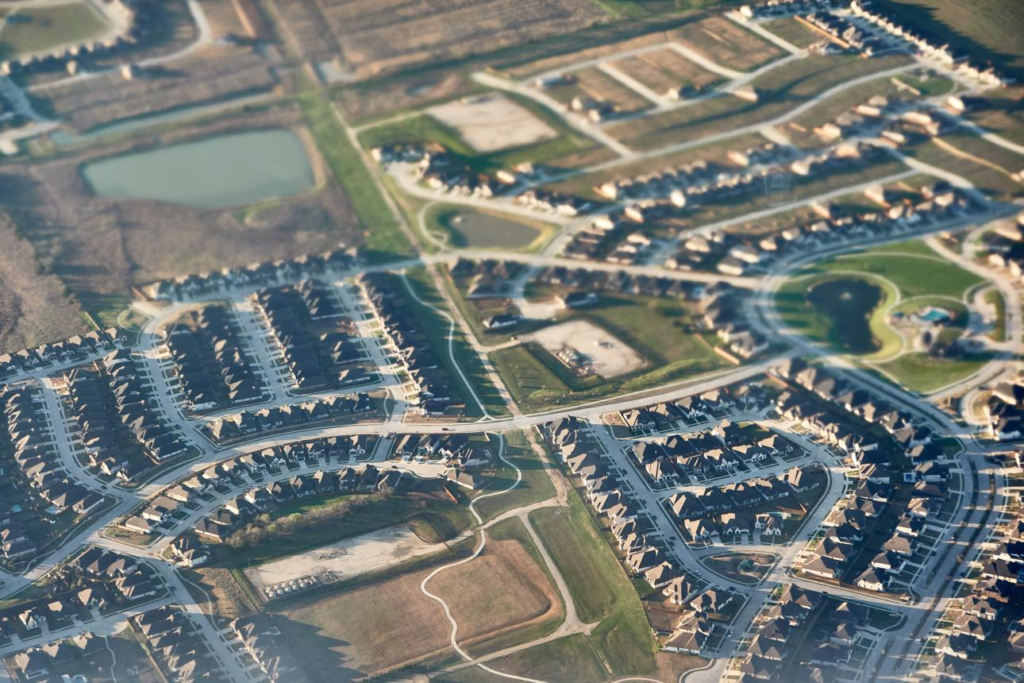
- Location flexibility: Proximity to workplaces matters less for remote or hybrid workers
This reflects a broader trend: homes are no longer just financial assets—they are operational hubs for daily life.
Real-world insight:
Agents across suburban markets report increased demand for homes with dedicated office space, even at the expense of traditional features like formal dining rooms.
3. Is Renting Still a Smarter Option for Some Buyers?
One of the most common questions Americans are asking in 2026 is whether buying still makes financial sense.
The answer is increasingly nuanced.
In high-cost cities like San Francisco or New York, renting can often be cheaper on a monthly basis than owning—especially when factoring in maintenance, taxes, and insurance.
Buying may still be advantageous if:
- You plan to stay in the home for 5–7 years or longer
- You can secure a favorable mortgage rate or refinance later
- You value stability and control over your living space
Renting may be the better choice if:
- You expect job or location changes
- Home prices in your area are significantly inflated
- You prefer liquidity and flexibility
The traditional “renting is throwing money away” narrative no longer applies universally.
4. How Remote Work Has Permanently Changed Location Trends
Remote and hybrid work continue to reshape where Americans choose to live.
Secondary cities and suburban areas have seen sustained demand, while some urban cores are experiencing more balanced conditions than the extreme competition of previous years.
Notable trends include:
- Migration to lower-cost states such as Texas, Florida, and Tennessee
- Growth in mid-sized cities like Raleigh, Boise, and Nashville
- Increased interest in rural properties with strong internet infrastructure
However, this shift is stabilizing rather than accelerating. Many buyers are now blending lifestyle preferences with occasional office requirements.
Example:
A buyer working for a New York-based company may choose to live in Pennsylvania or North Carolina, balancing affordability with periodic travel.
5. What Role Do Interest Rates Play in Today’s Decisions?
Interest rates are arguably the single most influential factor in today’s housing market.
Even small changes in rates can significantly affect affordability. For example:
- A 1% increase in mortgage rates can raise monthly payments by hundreds of dollars
- Buyers are increasingly “rate-sensitive,” adjusting budgets based on daily fluctuations
This has led to new strategies:
- Rate buydowns: Sellers or builders offering incentives to reduce initial rates
- Adjustable-rate mortgages (ARMs): Making a cautious comeback among qualified buyers
- Refinancing expectations: Buyers planning to refinance if rates decline
The key shift is that financing strategy is now as important as property selection.
6. Are First-Time Buyers Being Priced Out?
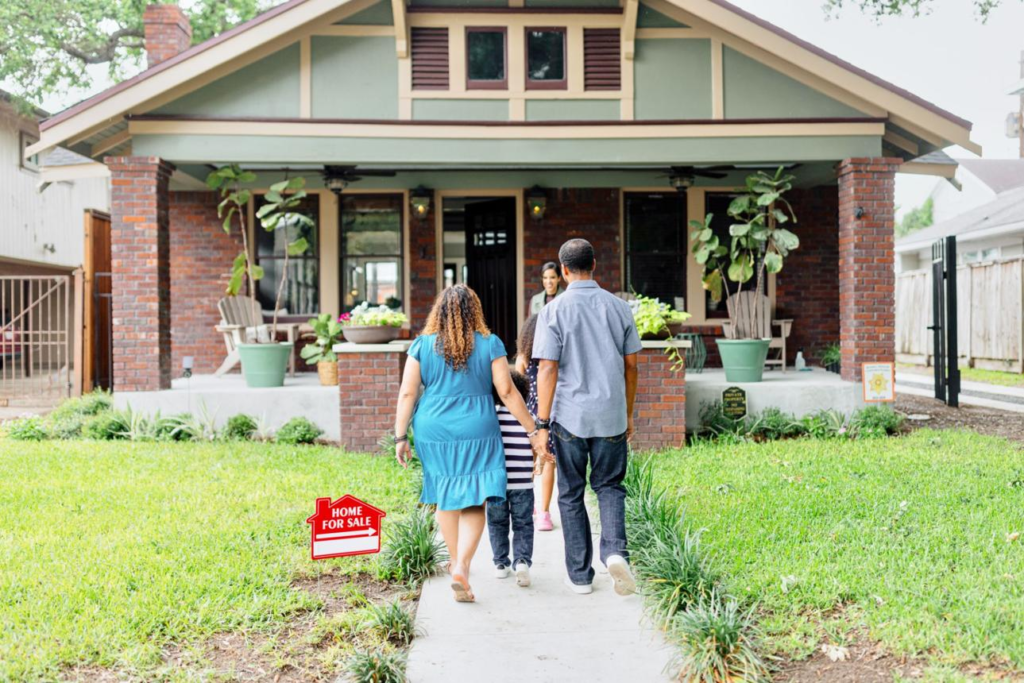
Affordability challenges have made it harder for first-time buyers to enter the market, but they are adapting.
Common strategies include:
- Buying smaller starter homes or condos
- Purchasing in emerging neighborhoods rather than prime locations
- Using down payment assistance programs
- Co-buying with family members or partners
According to the National Association of Realtors, the average age of first-time buyers has risen in recent years, reflecting the additional time needed to save and qualify.
Despite these hurdles, first-time buyers remain active—they are simply approaching the process more strategically.
7. How Climate and Insurance Are Influencing Decisions
A less discussed but increasingly important factor is climate risk.
Homebuyers are paying closer attention to:
- Flood zones
- Wildfire risk areas
- Hurricane-prone regions
Insurance premiums in some states—particularly Florida and California—have risen sharply or become harder to obtain.
Example:
A coastal property may appear affordable upfront but carry significantly higher long-term costs due to insurance and maintenance.
This has introduced a new layer of due diligence that wasn’t as prominent a decade ago.
8. What Does “Long-Term Value” Mean Today?
In 2026, long-term value is no longer defined solely by appreciation potential.
Buyers are evaluating:
- Total cost of ownership over time
- Resale flexibility
- Rental potential
- Neighborhood stability
This reflects a shift toward more conservative, risk-aware decision-making.
Homes that offer versatility—such as the ability to rent a portion of the property or accommodate multigenerational living—are increasingly attractive.
9. How Technology Is Changing the Buying Process
Technology continues to streamline and reshape real estate transactions.
Today’s buyers commonly use:
- Virtual tours and 3D walkthroughs
- AI-powered property valuation tools
- Online mortgage pre-approval platforms
While these tools improve efficiency, they also require buyers to be more informed and discerning.
The role of experienced real estate agents remains critical, particularly in navigating negotiations and local market conditions.
Frequently Asked Questions
1. Is 2026 a good time to buy a house in the U.S.?
It depends on your financial stability, long-term plans, and local market conditions rather than timing the market.
2. What credit score do I need to buy a home?
Most lenders prefer scores of 620 or higher, though better rates are available above 740.
3. How much should I save for a down payment?
While 20% avoids private mortgage insurance, many buyers put down 3%–10%.
4. Are mortgage rates expected to drop?
Forecasts suggest gradual moderation, but not a return to pandemic-era lows.
5. Is renting cheaper than buying in 2026?
In many urban areas, yes—especially in the short term.
6. What is the biggest mistake homebuyers make today?
Overextending financially without accounting for total ownership costs.
7. Should I wait for prices to fall?
Trying to time the market is risky; focus on personal readiness instead.
8. How important is location in 2026?
Still critical, but now balanced with flexibility and lifestyle needs.
9. Are adjustable-rate mortgages risky?
They can be useful if understood properly, but require careful planning.
10. What hidden costs should I expect?
Maintenance, insurance, property taxes, and HOA fees are often underestimated.